
When you pick aluminum mesh air filters, you need one that fits your needs. You should check how filters work in different places. You should also see how well they clean the air. Important things to think about are the size of particles you want to catch, how quickly air goes through the filter, and what heat the filter will handle. Many people like aluminum mesh air filters because they are light, do not rust, cost less, and you can use them again after cleaning.
Key Takeaways
Pick the right aluminum mesh air filter for your space. Think about the size, type, and how well it works.
Know the difference between fine mesh and coarse mesh filters. Fine mesh traps small bits. Coarse mesh works better for big pieces.
Look at the filter’s temperature limits. Make sure it can stand the heat in your area. This is important in kitchens or factories.
Choose between washable filters and disposable filters. Washable filters help you save money over time. Disposable filters might catch smaller bits.
Always measure your old filter first. Check the MERV ratings. This helps you pick the best filter for your air quality.
What Are the Types and Efficiency Levels of Aluminum Mesh Air Filters?
Aluminum mesh air filters primarily come in two types: washable and disposable. Washable filters are designed for repeated use and can be cleaned, while disposable filters are intended for one-time use and replacement. Both types offer varying efficiency levels, typically ranging from low to medium, depending on the mesh density and layers.
Filter Classifications
There are many kinds of aluminum mesh air filters. Each kind works best for a certain job. Some are good for factories. Others are better for kitchens or offices. You should check how each filter is grouped. This helps you choose the right one for your place.
Here is a table that lists common filter types and their ratings:
Filter Type | MERV Rating | Description |
|---|---|---|
2″ Industrial EZ Kleen Cleanable Aluminum Mesh | 4 | You can clean this filter. It is used in factories. |
Washable Aluminum Air Filter | N/A | This filter is for range hoods. Change it every 6 to 12 months. |
N/A | This filter can be made for special factory jobs. |
You should also learn about filter standards. These rules show how well a filter works in different places.
Filter Standard | Description | Efficiency Metrics |
|---|---|---|
ISO16890 | This rule sorts filters by how well they catch dust. | ePM1, ePM2.5, ePM10 |
EN779 | This rule checks how much dust a filter can hold. It also checks how many particles it can remove. | G1 to F9 |
EN1822 | This rule looks at how well a filter works with very tiny particles. | EPA, HEPA, ULPA |
ASHRAE 52.2 | This rule gives MERV ratings. It shows how well a filter catches different sizes of particles. | Various size ranges |
Tip: Always check the filter standard before you buy. This helps you pick the best filter for your needs.
Efficiency Levels
Aluminum mesh air filters have different levels of efficiency. Efficiency means how well a filter catches dust and other stuff. You should pick a filter with the right efficiency for your room.
Here is a table that shows how much dust different filter media can catch:
Filter Media Type | Dust Weight | |
|---|---|---|
Donaldson Blue® Ultra-Web® HD | Up to 99.999% | 0.01 gram |
Donaldson Blue® Ultra-Web® | Up to 99.99% | 0.1 gram |
Donaldson Standard | Up to 99.9% | 1 gram |
Will-fit Standard | Up to 99.0% | 10 gram |
Pick a filter with high efficiency if you want cleaner air. If you need to catch very tiny particles, choose a filter with a higher rating.
Fine Vs. Coarse Mesh
Aluminum mesh air filters come in two main types: fine mesh and coarse mesh. Fine mesh has small holes. It catches tiny things like dust and pollen. Coarse mesh has bigger holes. It traps larger things like lint and hair.
Here is how you can pick between fine and coarse mesh:
Use fine mesh in places that need very clean air, like labs or hospitals.
Use coarse mesh in places with bigger particles, like workshops or kitchens.
Note: Fine mesh filters can slow down airflow more than coarse mesh filters. You should check how much airflow you need before you choose.
Always match the mesh type to your job. This helps your aluminum mesh air filter work its best.
What Key Factors Should You Consider When Selecting an Aluminum Mesh Air Filter?
When selecting an aluminum mesh air filter, prioritize filtration efficiency, durability, and maintenance requirements. Ensure the filter can effectively capture the types of particles present in your environment and withstand the conditions in which it will be used.

Particle Size And Flow Rate
When you pick an air filter, think about particle size. Most particles in the air are smaller than 10 micrometers. These tiny bits can make your air less clean. You should also check how fast air moves through the filter. If air moves slowly, the filter catches small particles better. Fast air can make the filter miss tiny particles.
Filters trap particles in different ways:
Impaction means big particles hit the mesh and stick.
Interception happens when particles pass close and get stuck.
Diffusion is when very small particles move around and bump into the mesh.
ASHRAE Standard 52.2 shows how filters work with different particle sizes. It puts particles into three groups:
E1: 0.3 to 1.0 micrometers
E2: 1 to 3 micrometers
E3: 3 to 10 micrometers
Particles that are 0.3 micrometers are the hardest to catch. You should see if your filter can trap these tiny bits. If you want to remove very small particles, pick a filter with higher efficiency.
Tip: Always match your filter to the particle size and airflow you need.
Temperature And Environmental Conditions
You should know how much heat your filter can take. Most aluminum mesh air filters work up to 225 °F for a long time. Some can handle up to 240 °F for short times. If you use the filter near ovens or in factories, make sure it can stand the heat.
The environment matters too. Humidity and chemicals can hurt your filter. High humidity can make the coating fail and cause rust. Chemicals can make the filter weak and break sooner. If you use the filter in tough places, pick one with a strong coating. Epoxy resins are best because they resist chemicals and stick well.
Here is a table that shows how challenges affect aluminum mesh air filters:
Challenge | Impact on Aluminum Mesh Air Filters |
|---|---|
High Humidity | Can make the coating fail and cause rust |
Chemical Exposure | Makes the filter weak and need early replacement |
Poor Material Choice | Coating can peel or crack and show bare metal |
Note: Ask for filters that passed tests for strength, like salt spray and aging tests.
Washable And Reusable Options
Many people like washable and reusable filters because they last longer. You can clean these filters every few months and use them again. This helps the planet because you throw away less trash. Washable filters cost more at first, but you save money later.
Here is a table that compares washable and disposable filters:
Feature | Washable Filters | Disposable Filters |
|---|---|---|
Durability | Last 5-10 years if you take care of them | Used once, then replaced often |
Cleaning | Clean every few months | No cleaning, just replace |
Environmental Impact | Better for the planet, less waste | More trash goes to landfills |
Cost | Costs more at first, but saves money later | Costs less at first, but costs more over time |
Filtration Efficiency | Lower MERV ratings, not as good for tiny particles | Higher MERV ratings, better for allergies and dust |
Advantages of washable filters:
They last a long time
Easy to clean
Good for the planet
Save money in the long run
Disadvantages of washable filters:
You need to clean them often
They may not catch the tiniest particles
Cost more at the start
Tip: Pick a washable aluminum mesh air filter if you want one that lasts and helps the planet. If you need to catch very tiny particles, choose a disposable filter with a higher rating.
What Are the Typical Specifications of Aluminum Mesh Air Filters?
Aluminum mesh air filters are commonly characterized by their lightweight, durable construction and high corrosion resistance. Typically, these filters feature layers of expanded aluminum mesh that create a multi-layered design to trap dust and airborne particles effectively.
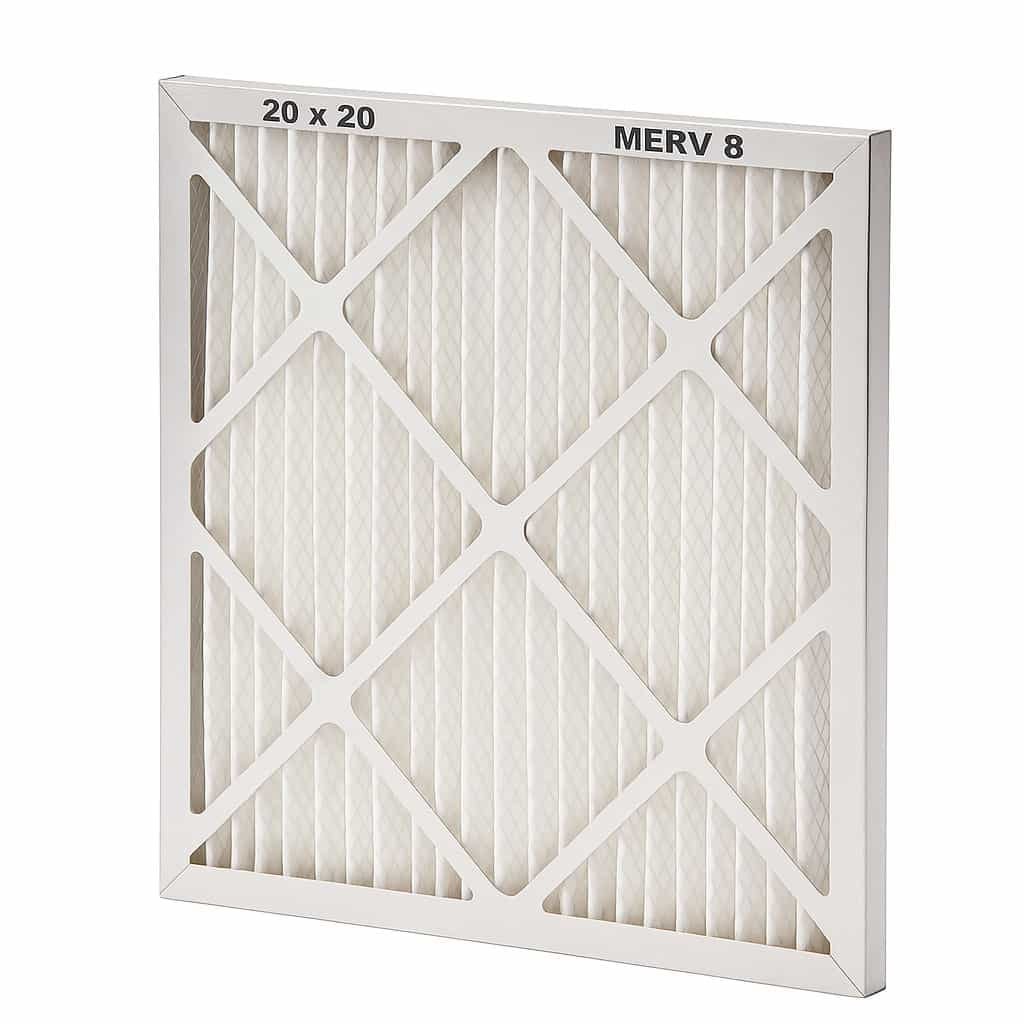
Wire Diameter
When you look at aluminum mesh air filters, wire diameter is one of the first things you should check. Thicker wires make the filter stronger and help it last longer. However, thick wires can block more air and make it harder for air to move through the filter. If you want better airflow, you might choose a filter with thinner wires. More wires per inch, called a higher mesh count, can catch smaller particles but also slow down the air. You need to balance strength and airflow for your space.
Tip: If you need a filter for a place with lots of dust, pick a thicker wire for durability. If you want more airflow, choose a thinner wire.
Weave Pattern
The weave pattern decides how the wires cross each other in the mesh. You will see patterns like plain weave, twill weave, or even crimped weave. A plain weave has wires that go over and under each other in a simple way. Twill weave lets wires cross in a diagonal pattern, which can make the mesh stronger. Crimped weave uses wavy wires to create more space for air and particles. Each pattern changes how well the filter catches dust and how strong it is.
Plain weave: Good for general use and easy cleaning.
Twill weave: Stronger and better for heavy-duty jobs.
Crimped weave: Lets more air pass and traps bigger particles.
Layer Configuration
Layer configuration means how many layers of mesh the filter has and what each layer does. You can find filters with just one layer or with several layers stacked together. Each layer has a special job. The table below shows common layer types and their purposes:
Layer Type | Purpose |
|---|---|
Fine Mesh | Provides filtration for small particles |
Coarse Layer | Protects the fine mesh from abrasive materials |
Rigid Layer | Offers structural support to the filter |
Multi-layer System | Enhances overall filtration efficiency |
When you add more layers, the filter can catch more dust. The way layers work together changes how the filter handles pressure and dust. Here is how the process works:
Depth Filtration: Large particles stay on the surface. Small particles move deeper and get trapped. Pressure slowly increases.
Transition Stage: Dust builds up and forms a cake on the surface. Filtration shifts from depth to surface.
Surface Filtration: Most dust stays on top. Pressure rises quickly as more dust collects.
If you want a filter that lasts longer and catches more dust, choose one with multiple layers. You should also check how much pressure the filter can handle as it gets dirty.
Where Are Aluminum Mesh Air Filters Commonly Used?
Aluminum mesh air filters are commonly used in HVAC systems, industrial machinery, and commercial kitchens due to their durability and reusability. These filters are ideal for environments that require frequent cleaning and high airflow efficiency.

Industrial Use
Factories and big buildings use aluminum mesh air filters. These filters keep machines safe by catching dust and dirt. They also help workers breathe cleaner air. Many companies pick these filters because they are strong and can be used again. They do not rust easily. Here is a table that shows where these filters are used and why people like them:
Industry | Primary Reasons for Selection |
|---|---|
HVAC Systems | Keeps air clean in homes and businesses. |
Factories | Cuts down dust and protects machines. |
Kitchens | Used to catch grease in hoods and vents. |
Devices | Stops dust but lets air move through. |
OEM Supply | Used in large numbers for making equipment. |
General | Strong, reusable, does not rust, and saves money. |
Industrial filters need to follow special rules. They must let lots of air pass through. They should hold lots of dust and not block air too much. For example, one filter can move 1,400 cubic feet of air each minute. It can hold up to 401 grams of dust.
Residential And Commercial
You can use these filters in houses, offices, and schools. They work in heating and cooling systems. They help take out dust, pollen, and lint from the air. This makes the air cleaner and safer to breathe. You can wash these filters and use them again. This helps you save money over time. Here are some ways people use them:
Outside HVAC units for homes
Intake ducts and rooftop hoods for businesses
Air handlers in schools and offices
Fans and kitchen range hoods
These filters let air move easily. Your system does not have to work as hard. This can help lower energy bills. They also make indoor air better by trapping bad stuff.
Good metal mesh filters catch dust, grease, and other things before they get into the air system.
Extreme Heat And Grease Filtration
Aluminum mesh air filters are used in kitchens and hot places. They can handle heat up to 225°F and even 240°C for short times. These filters catch grease from kitchen hoods. They stop grease from building up in vents. They also help control moisture and keep kitchens safe. Here is a table with important features:
Feature | Details |
|---|---|
Maximum operating temperature | |
Structure of mesh filter | Many layers of aluminum mesh |
Thickness | 1″ & 2″ |
Washable & Reusable | Yes |
High dust holding capacity | Yes |
Low pressure drop | Yes |
These filters last a long time and are simple to clean.
They work in homes and businesses.
They help keep air systems safe from grease and heat.
Aluminum mesh air filters are a good pick for hard jobs where you need strong, heat-proof, and easy-to-clean filters.
Decision Checklist

Step-By-Step Guide
You can follow a simple checklist to choose the right aluminum mesh air filter. This guide helps you avoid confusion and makes sure you pick a filter that fits your needs.
Measure Your Space
Check the size of your current filter. Write down the length, width, and thickness. This step helps you find a filter that fits well.Identify Your Application
Decide where you will use the filter. Is it for a kitchen, factory, office, or home? Each place needs a different type of filter.Select Mesh Type
Choose fine mesh for small particles like dust and pollen. Pick coarse mesh for larger particles like lint and hair.Check Efficiency Level
Look at the filter’s rating. Higher ratings catch smaller particles. Make sure the rating matches your air quality needs.Review Temperature Limits
Find out how much heat the filter can handle. If you use it near ovens or machines, pick a filter with a higher temperature limit.Decide on Washable or Disposable
Washable filters last longer and save money. Disposable filters may catch smaller particles but need frequent replacement.
Tip: Write down your needs before you shop. This helps you compare filters and make a smart choice.
Common Mistakes
Many buyers make mistakes when choosing aluminum mesh air filters. You can avoid these problems by learning what to watch for.
Incorrect Size: You may forget to check the size of your old filter. This mistake leads to poor fit and weak performance.
MERV Ratings Misunderstanding: You might not know what MERV ratings mean. Picking the wrong rating can hurt your HVAC system or fail to clean your air.
Washable vs. Disposable Confusion: You may not research the difference between washable and disposable filters. This can cause trouble with cleaning or cost more money.
Note: Always read the product details and ask questions if you feel unsure. Careful planning helps you get the best filter for your space.
You can pick the best aluminum mesh air filter by using easy steps. Make sure the filter type fits what you need. Check the filter’s details before you buy. The checklist helps you not make mistakes. Many experts like these filters because they are light and do not rust. They catch lots of things in the air. You can put them in quickly and they last a long time. If you are not sure, ask someone who knows for help. This keeps your air clean and your system working right.
Light weight makes it simple to install
Strong against rust so the filter lasts longer
Good at catching dust to make air better
FAQ
How often should you clean a washable aluminum mesh air filter?
You should clean your washable filter every 1 to 3 months. If you use it in a kitchen or dusty area, clean it more often. Regular cleaning helps your filter work better and last longer.
Can you cut an aluminum mesh air filter to fit your system?
You should not cut the filter yourself. Cutting can damage the mesh and frame. Always order the correct size for your system. Many suppliers offer custom sizes if you need a special fit.
Do aluminum mesh air filters remove odors?
Aluminum mesh air filters trap dust and grease, but they do not remove odors. If you want to get rid of smells, use a filter with activated carbon or another odor-absorbing material.
Are aluminum mesh air filters safe for people with allergies?
Aluminum mesh filters catch large particles like dust and lint. They do not trap tiny allergens as well as high-efficiency filters. If you have allergies, you may need a filter with a higher MERV rating.