
Imagine walking into your home after a long day and expecting fresh, clean air. Indoor air can contain dust, pollen, pet dander, and even mold spores. You might not see these particles, but they affect how you feel and breathe. A flat panel air filter helps capture these pollutants and keeps your living space healthier. Regularly changing your air filter keeps your home clean and your HVAC system running smoothly. Common air filters like flat panel filters protect you from:
Dust
Pollen
Mold spores
Pet dander
Key Takeaways
Flat panel air filters trap big things like dust and pollen. This helps make the air inside cleaner. Changing your air filter every 30 days is important. It helps your HVAC system work well and keeps your air fresh. Pick the right MERV rating for your filter. Higher ratings catch more allergens. But you might need to change them more often. Flat panel filters do not cost much and are easy to buy. They are a good choice for simple air cleaning. Check your filter for clogs, like less airflow or dirt you can see. This helps your filter work its best.
Are Flat Panel Air Filters Effective for Improving Indoor Air Quality?
Flat panel air filters can effectively improve indoor air quality by capturing larger airborne particles such as dust, pollen, and pet dander. They are designed for basic filtration needs and are often used in residential HVAC systems to reduce particulate matter in the air.

Cleaner Air with Flat Panel Filters
Everyone wants to breathe clean air at home. Panel air filters help by catching dust and pollen. They also trap other things in the air. These filters sit inside your HVAC system. They stop dirty air from moving into your rooms. Using panel air filters means fewer allergens in the air. This can help you sneeze less and feel better.
Panel air filters are best for catching bigger particles. They grab dust, pet dander, and some mold spores. But they do not catch the smallest pollutants as well as pleated or HEPA filters. Panel air filters are not as good for tiny particles between 0.3 and 2.5 micrometers. These small things can still hurt your health and air quality.
Tip: If you or your family have allergies or asthma, check if your filter is working well. Sometimes, you need a better filter to get cleaner air.
Here is how panel air filters compare to other types:
Panel air filters do not work as well for small particles as pleated filters and HEPA filters.
They are not as good for particles smaller than 3 micrometers, which matter for indoor air.
The way panel air filters are made can make your HVAC system work harder.
Pleated filters let more air flow and catch more pollutants than panel air filters.
Scientists found that HEPA filters remove almost all particles as small as 0.3 micrometers. Panel air filters cannot do this. The table below shows what researchers learned about different filters:
Study/Review | Findings | Type of Filter |
|---|---|---|
Kumar and Morawska, 2019; Nazarenko, 2021 | HEPA filters remove at least 99.95% of particles 0.3 μm and bigger. | HEPA filters |
Liao et al., 2019 | Using HEPA filters all day can lower PM2.5 by 31%–72% and cut deaths from indoor air pollution by 8–37%. | HEPA filters |
Mousavi et al., 2021 | Using HEPA filters with HVAC air recirculation works very well in places like operating rooms. | HEPA filters |
Lowther et al., 2020 | Found that HEPA filters are less efficient for 200–250 nm particles, which is important in cities. | HEPA filters |
Panel air filters do not work as well as HEPA filters for the smallest pollutants. But they still help keep your air clean by catching bigger particles and protecting your HVAC system.
Common Uses in Homes
Many homes use panel air filters. People use them to keep their HVAC systems working well and to block common pollutants. Here are the main ways you use panel air filters at home:
Residential Use
You put panel air filters in your HVAC system to help with air quality and stop allergens.Protecting HVAC Equipment
Panel air filters keep dust and dirt from building up in your furnace or air conditioner.Reducing Airborne Pollutants
You use these filters to lower dust, pollen, and pet dander in your air.
Panel air filters are easy to buy and change. You can find them at most hardware stores. They cost less than many other air filters. If you change your filter often, you help keep your air clean and your HVAC system working longer.
Note: Check your panel air filters every month. If you see dust or dirt, change the filter to keep your air fresh and your system safe.
Panel air filters give you an easy way to make your air better at home. They may not catch every tiny particle, but they help you control common pollutants and keep your home clean.
What Is a Flat Panel Air Filter and How Does It Work?
A flat panel air filter is a type of air filter that uses a flat, typically rectangular surface to trap dust, dirt, and other airborne particles. It works by allowing air to pass through its fibrous or mesh material, which captures contaminants and prevents them from circulating in the environment.
Design and Construction
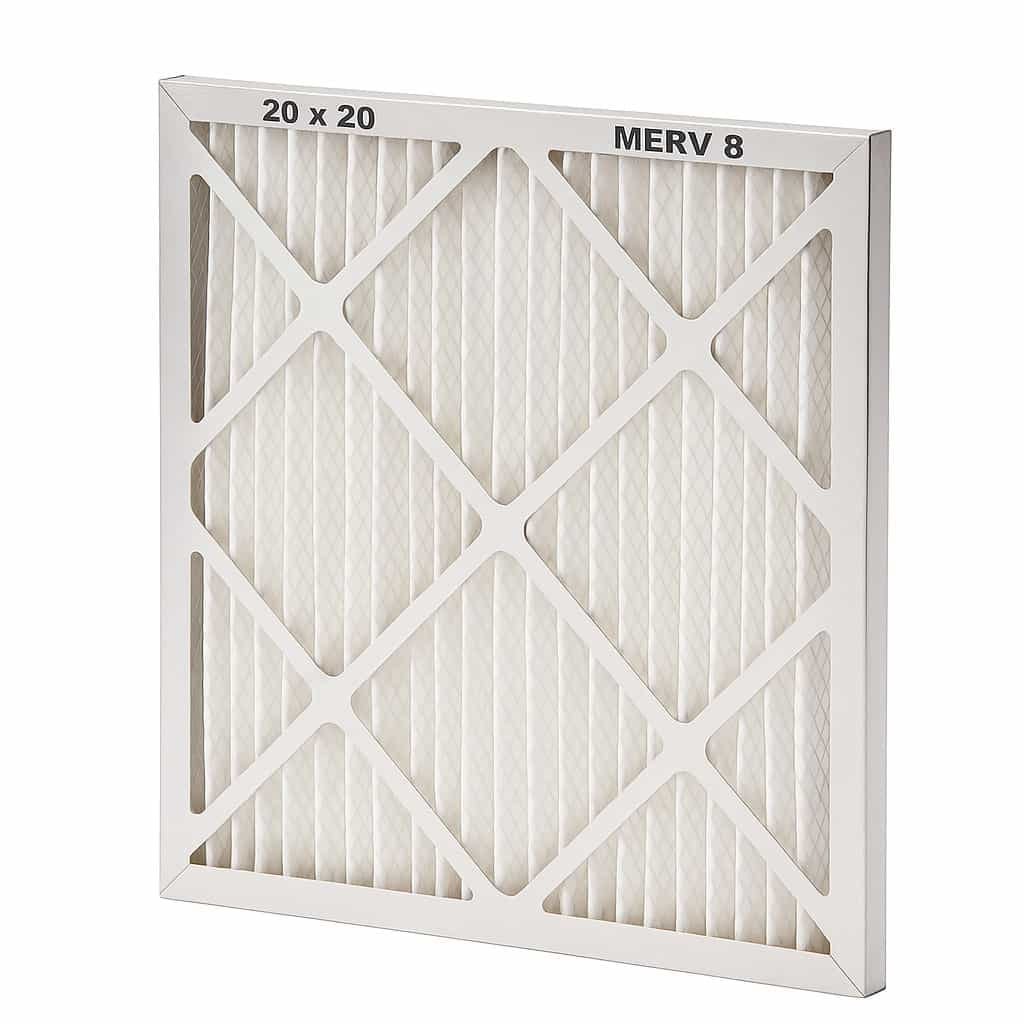
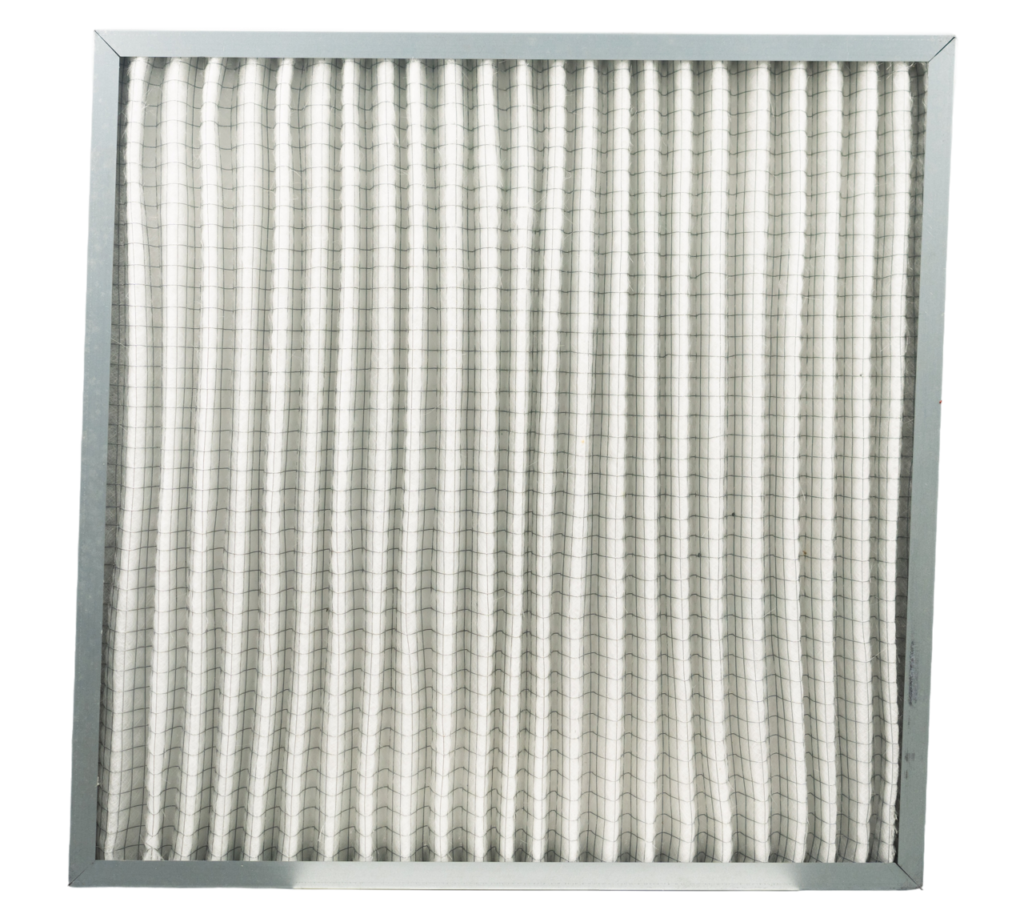
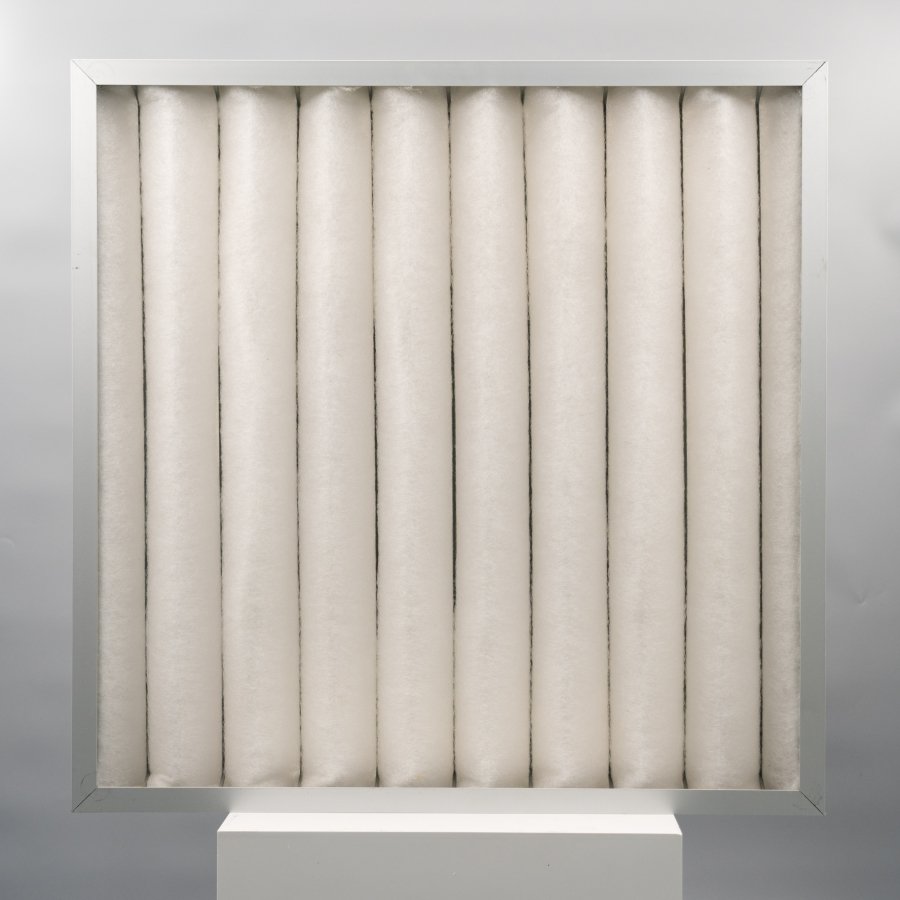
Flat panel air filters are often found in home HVAC systems. They have a simple shape, so they are easy to use and change. Most of these filters are flat and shaped like a rectangle. The frame is usually made from cardboard, but sometimes it is metal for extra strength. Inside the frame, there is a layer of fibers that catches dust and other things in the air.
Here is a table showing the common materials used in flat panel air filters:
Material Type | Description |
|---|---|
Fiberglass | Commonly used for its filtration efficiency. |
Synthetic Fibers | Versatile and effective in capturing particles. |
Polyester | Durable and often used in various applications. |
Metal | Used for frames, providing structural support. |
Paper/Cardboard | Commonly used for frames in filters. |
Stainless/Galvanized Steel | Offers durability and resistance to corrosion. |
Aluminum Alloy | Lightweight and strong, used in some filter designs. |
Some filters use woven or non-woven fabrics, wire mesh, or special membranes. Synthetic fibers and glass fiber are popular because they catch particles well and last longer. Some panel filters have a sticky layer to help grab more dust.
Flat panel air filters usually have a MERV rating between 1 and 4. MERV means Minimum Efficiency Reporting Value. This number shows how well the filter can trap things in the air. Here is a quick look at what these ratings mean:
MERV Rating | Description | Particles Filtered |
|---|---|---|
1-4 | Common in residential HVAC systems | Dust, dust mites, pollen, carpet fibers, insects |
A filter with a MERV rating of 1 to 4 is best for catching big things like dust and pollen. These filters do not work as well for tiny particles, but they are good for basic cleaning in most homes.
Tip: Always check the size and MERV rating before you buy a new filter. This helps you pick the right one for your system.
How Panel Air Filters Work
Flat panel air filters use simple ways to clean your air. The main way is called mechanical filtration. The fibers inside the filter act like a net. When air moves through, big things like dust and pollen get stuck in the fibers.
Some flat panel filters use electrostatic attraction. These filters have fibers with a small electric charge. When air goes through, the charge pulls in smaller things like smoke or fine dust. The particles stick to the fibers and do not pass through. This helps the filter catch more things without stopping the air too much.
You can think of the process like this:
Mechanical filtration traps large particles in the filter material.
Electrostatic attraction pulls in smaller particles and holds them on the filter surface.
Some advanced filters use several layers of different materials to catch even more types of particles.
Note: Electrostatic filters work differently from HEPA filters. HEPA filters trap particles deep inside their fibers, while electrostatic filters make particles stick to the surface.
When you use a flat panel air filter, you help keep dust and dirt out of your HVAC system. You also make the air in your home cleaner and better for everyone.
What Are the Benefits of Using Flat Panel Air Filters?
Flat panel air filters offer several advantages, primarily in affordability and simplicity. They effectively capture large airborne particles, such as dust and pollen, enhancing indoor air quality. These filters are easy to install and maintain, making them a practical choice for homeowners seeking low-cost air filtration solutions.
Air Quality Improvement
You want to breathe clean air in your home. Panel air filters help you remove many common pollutants from the air. When you use these filters, you lower the amount of dust, pollen, and pet dander in your living space. The EPA says indoor air can sometimes be more polluted than outdoor air. High-efficiency filters, like panel air filters, reduce allergens such as pollen, pet dander, and mold spores. If you have allergies or care about your health, you will notice fewer symptoms when you use the right air filter.
Panel air filters trap dust and pollen.
They help reduce pet dander and mold spores.
You get better air quality and fewer allergy problems.
HVAC System Protection
Panel air filters do more than just improve air quality. They also protect your hvac system. When you use a filter, you stop dust and debris from building up inside your hvac. This keeps your system running longer and helps you avoid expensive repairs. Clean filters also let air flow easily, so your hvac does not have to work as hard.
Benefit | Description |
|---|---|
HVAC System Protection | Filters prevent dust and debris from accumulating in hvac components, reducing wear and tear and extending the system’s lifespan. |
Energy Efficiency | A clean filter allows air to flow freely, reducing the workload on hvac systems and lowering energy consumption. |
Tip: Change your panel air filters often to keep your hvac system working well and to save energy.
Cost and Accessibility
You do not have to spend a lot to keep your air clean. Panel air filters cost less than many other air filters. You can find them in most home improvement stores, so they are easy to buy. They come in many sizes and types, so you can pick the right one for your hvac system. Installation is simple, but you must choose the correct size for the best results.
Flat panel air filters are easy to find in stores.
They fit many hvac systems and are simple to install.
You save money because these filters cost less and help your hvac last longer.
Note: Using the right panel air filters helps you avoid costly repairs and keeps your home healthy.
How Can You Choose the Right Flat Panel Air Filter?
To choose the right flat panel air filter, consider its MERV rating, size compatibility with your HVAC system, and specific needs such as allergen control or dust reduction. These factors ensure optimal air quality and system efficiency.
MERV Ratings Explained
When you pick panel air filters, you need to look at the MERV rating. MERV stands for Minimum Efficiency Reporting Value. This number tells you how well the filter traps particles. You want to balance filtration and your hvac system’s needs. If you choose a filter with a high MERV rating, your hvac might work harder and use more energy. Always check your hvac system’s manual for the best MERV rating.
If you do not have pets or allergies, MERV 1-7 works well.
If you have pets or allergies, try MERV 8-10.
If you smoke or use a wood-burning fireplace, MERV 11-13 is better.
Higher MERV filters cost more and may need to be replaced more often. A clogged air filter can strain your hvac and lower air quality.
Sizing Your Air Filter
You need the right size for your panel air filters. A filter that fits well keeps your hvac system running smoothly. If the filter is too small or too big, air can move around it. This lets dust and dirt get into your home and your hvac. Poorly sized filters can also make your energy bills go up.
Measure your old air filter before you buy a new one.
Check the size printed on the side of your current filter.
Make sure the new filter fits snugly in the slot.
A good fit means your panel air filters will work their best.
Material Considerations
Panel air filters come in different materials. Each type has its own pros and cons. The table below shows the main types you will find:
Filter Type | Advantages | Disadvantages |
|---|---|---|
Fiberglass Filters | Affordable, easy to replace, basic dust removal | Less efficient for small particles, not for allergy relief |
Pleated Filters | Traps more particles, good for allergies | Can lower hvac efficiency, costs more, needs less airflow |
You should pick a filter that matches your needs and your hvac system. If you want basic dust control, fiberglass works. If you need better air quality, pleated filters help more.
Tip: Always check your hvac system’s manual before you change your air filter. The right panel air filters keep your air clean and your system safe.
How Should You Maintain Flat Panel Air Filters for Best Performance?
To maintain flat panel air filters effectively, replace them every 3-6 months, or more frequently if you have pets or allergies. Regular replacement ensures optimal airflow and improves filtration efficiency, contributing to better indoor air quality and prolonged HVAC system lifespan.
Replacement Schedule
You need to follow a regular replacement schedule to keep your hvac system running well. Changing your air filter on time helps prevent clogging and keeps your home’s air clean. Most flat panel filters use fiberglass. HVAC experts recommend replacing fiberglass filters every 30 days. Pleated filters last longer and need replacement every 90 days. HEPA filters can last up to a year. The table below shows how often you should replace different types of filters:
Filter Type | Replacement Schedule |
|---|---|
Fiberglass Filters | Every 30 days |
Pleated Filters | Every 90 days |
HEPA Filters | Every 6-12 months |
Electrostatic Filters | Disposable: Every 90 days; Permanent: 5-8 years with maintenance |
Tip: Mark your calendar or set a phone reminder for your next filter replacement. This simple step protects your hvac system and keeps your air fresh.
Signs of a Clogged Filter
You can spot a clogged filter before it causes problems for your hvac. Watch for these signs that show you need a replacement:
Uneven heating or cooling in your home
Visible dirt and debris on the filter
Lingering odors in your rooms
If you notice any of these, check your air filters right away. A dirty filter makes your hvac system work harder and can raise your energy bills.
Easy Filter Changes
Changing your flat panel air filter is easy if you follow a few steps. You do not need special tools. Here is a simple guide:
Choose the correct size for your filter replacement.
Turn off the power supply to your hvac system.
Remove the old filter from its slot.
Dispose of the old filter safely.
Insert the new air filter into the slot.
Replace the cover if your system has one.
Stock up on extra filters and set reminders for future replacements.
Note: Always check your hvac system manual for the right filter size and type. Regular filter replacement keeps your air clean and your hvac running smoothly. 😊
Flat Panel Air Filters vs. Other Types
Flat panel air filters are cost-effective and easy to replace, providing basic filtration by capturing larger particles like dust and pollen. They are less efficient than pleated or HEPA filters but sufficient for environments with low air quality demands. Flat panel filters offer a simple solution for basic air filtration needs.

Pleated vs. Flat Panel Filters
There are two main filters for homes: flat panel and pleated. Flat panel filters are simple and cost less money. Pleated filters have more folds, so they catch smaller things. Pleated filters last longer than flat panel filters. You pay more for pleated filters, but you do not change them as much. The table below shows how these filters are different:
Filter Type | Particle Size Captured | |
|---|---|---|
Pleated Filters | 8–13 or more | Smaller particles, allergens |
Non-Pleated Filters | 1–4 | Larger particles like dust, lint |
Non-pleated filters cost about $5 and need to be changed every month.
Pleated filters cost around $15 and last three to six months.
In one year, non-pleated filters may cost over $60, but pleated filters cost $30 to $45.
Tip: Pleated filters are best if you want cleaner air and fewer changes. Flat panel filters are good if you want to save money.
HEPA and Electrostatic Options
You might hear about other filters, like hepa filters and electrostatic filters. HEPA filters take out almost all small things, even allergy triggers. You find hepa filters in air purifiers and some special hvac systems. Electrostatic filters use a charge to pull in dust and pollen. Some electrostatic filters can be used again, and some are thrown away.
HEPA filters are great for people with asthma or allergies. They give the best air cleaning. Electrostatic filters help catch more dust but let air move easily. You should check if your hvac can use these filters before you buy them.
Pros and Cons
Each filter type has good and bad points. You need to choose what works for you and your hvac. The table below shows the good and bad sides of fiberglass air filters, which are a common flat panel type:
Pros of Fiberglass Air Filters | Cons of Fiberglass Air Filters |
|---|---|
Affordable and cost-effective | Less efficient in capturing smaller particles |
Provides basic air filtration | Requires regular maintenance and replacement every 30 days |
Widely available in stores | Not suitable for homes with allergy or asthma sufferers |
Easy to replace and install | Limited improvement in overall air quality |
Some filters make your hvac work harder. HEPA filters can cause a bigger pressure drop, so your hvac uses more energy. The chart below shows how pressure changes with different filters:

Note: Always look at your hvac manual before you change filter types. The wrong filter can hurt your air or damage your system.
There are many filters to pick from. Flat panel filters give basic help. Pleated and hepa filters clean the air better. Electrostatic filters are another way to catch dust. Choose the filter that fits your needs and keeps your air clean.
Flat panel air filters help keep your air clean. They also protect your HVAC system. The table shows the main benefits:
Benefit | Details |
|---|---|
Improved air quality | Catches dust and pollen for better breathing |
Enhanced energy efficiency | Makes your system use less power |
Extended HVAC lifespan | Stops damage to your equipment |
Look at your filter every month. Change it if it looks dirty. Doing this stops problems like forgetting to check or using the wrong size. Clean air and a working system make your home safe and comfy. 😊
FAQ
How often should you change your air filter?
You should check your air filter every month. Replace it at least every 30 days for best results. A clean filter helps your HVAC system work better and keeps your air fresh.
Can you reuse flat panel air filters?
You cannot reuse most flat panel air filters. These filters are disposable. Always use a new filter when you replace the old one. This keeps your air clean and your system safe.
Do flat panel air filters help with allergies?
Flat panel air filters trap large particles like dust and pollen. They help reduce some allergy symptoms. For better allergy relief, you may want to try filters with higher efficiency.
What happens if you forget to change your filter?
If you forget to change your filter, dust and dirt can build up. Your HVAC system may work harder and use more energy. You might notice less airflow and more indoor pollution.
Are all air filters the same size?
No, air filters come in many sizes. Always check your old filter or your HVAC manual before buying new filters. The right size helps your system run smoothly and keeps your air clean.