
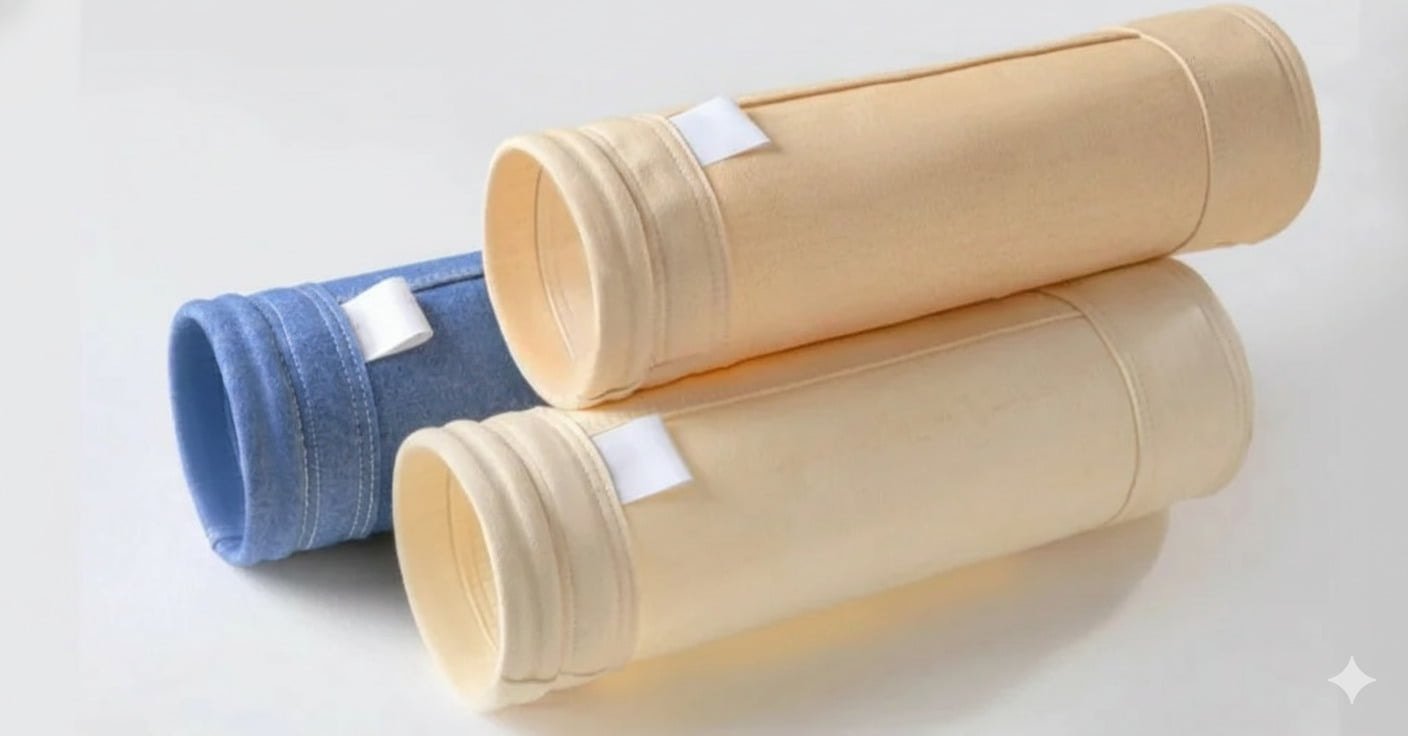
You want the air in your building to be clean, right? A Baghouse Filter Bag helps catch dust and tiny bits in the air. This makes the air safer for people to breathe. These filters are special because they use simple designs that work well. They can catch up to 99.9% of dust. Look at the table below to see what people like and do not like about them:
Strengths | Weaknesses |
|---|---|
High power use in some designs | |
Captures small micron particles | Needs regular maintenance |
Simple and reliable | Not good for sticky dust or wet conditions |
Lower investment than other systems | Poor resistance to strong chemicals |
Knowing these facts helps you choose the best filter for your needs.
Key Takeaways
Baghouse Filter Bags can trap almost all dust. This helps make the air cleaner and safer in many workplaces. – You need to check the bags often for any damage. Clean them so they work their best. – Pick the right filter material for your dust, heat, and chemicals. This stops leaks and keeps the system working. – Baghouse systems do not cost a lot. They help save money on power and fixing things later. – Think about what your workspace needs before you pick a Baghouse Filter Bag. This makes sure it works well for your job.
What Is a Baghouse Filter Bag and What Does It Do?
A baghouse filter bag is a critical component in industrial dust collection systems, designed to capture and filter out dust and particulate matter from air or gas. It ensures clean air discharge by trapping particles on the fabric surface while allowing clean air to pass through.
Definition and Function
A Baghouse Filter Bag is a special fabric bag that traps dust and tiny particles from the air. You find these bags inside dust collection systems at factories and plants. When dirty air passes through the bag, the fabric catches the dust, and clean air comes out the other side. You get cleaner air and a safer place to work.
Here’s what a Baghouse Filter Bag does for you:
Improves air quality by removing harmful dust from the air.
Keeps machines and work areas clean.
Reduces the risk of fire or explosion from dust.
Helps you spend less time and money on equipment repairs.
Captures fine dust from exhaust gases.
Stops dust from escaping into the environment.
Makes sure your business follows environmental rules.
Helps your machines last longer by keeping them clean.
Tip: If you want to keep your workspace safe and your machines running well, you need a good dust collection system.
Typical Applications
You see Baghouse Filter Bags in many industries. They help keep the air clean and protect workers. Here’s a quick look at where you might find them:
Industry | Application Description |
|---|---|
Removes dust made during cement production to meet clean air standards. | |
Mining | Captures harmful dust from mining to protect workers and the environment. |
Food and Agriculture | Collects dust from food processing and grain milling for safety and quality. |
Chemical and Pharmaceutical | Contains fine powders and chemicals during production to keep people safe. |
Power Generation | Filters air in power plants to stop harmful particles from getting out. |
You might work in one of these industries or know someone who does. If so, you can see why a Baghouse Filter Bag is important for keeping the air clean and safe.
What Are the Key Strengths of Baghouse Filter Bags?
Baghouse filter bags excel in industrial air pollution control by efficiently capturing particulate matter. Their primary strengths include high filtration efficiency, adaptability to various industrial applications, and durability in harsh conditions.

High Filtration Efficiency
You want a dust filter that works well. A Baghouse Filter Bag catches almost all dust in the air. Some special PTFE filter bags trap even more dust. They can catch almost every tiny particle. These filters are used in cement plants and power stations. They do a great job with tough dust.
Removes most dust, even tiny pieces.
Works for sticky or hard dust.
Keeps your air clean and safe.
Tip: If you need clean air, Baghouse Filter Bags are a smart pick.
Simple Design and Operation
You do not want a machine that is hard to use. Baghouse Filter Bag systems have a simple design. Cleaning is easy with shaking or pulsing air. The materials last a long time. You do not need special tools or lots of training.
Here is why they are simple:
Design Feature | Why It Helps You |
|---|---|
Easy cleaning mechanisms | Less downtime and faster maintenance |
Strong, durable materials | Fewer replacements needed |
Low air-to-cloth ratio | Saves space in your facility |
Mechanical agitation | Keeps dust from building up |
Cost-effective design | Saves you money at the start |
Reliable performance | Works well for batch or stop-and-go jobs |
Versatility | Handles many types of dust |
Energy efficiency | Uses less compressed air |
Low Initial and Operating Costs
You want to save money, right? Baghouse Filter Bag systems cost less to buy and run. A medium factory might spend $100,000 to $250,000 to start. Smaller systems cost less. These systems use less energy and need less fixing.
Baghouse systems save 15-25% on energy each year.
You spend less on repairs and electricity.
Over ten years, you could save $50,000 to $100,000 on energy.
Note: The first cost may be higher than cyclone systems, but you save money later.
Easy Maintenance
You do not want to fix your dust collector all day. Baghouse Filter Bag systems are easy to care for. Check the bags for holes or tears. Make sure they fit right. Clean them when needed. If a bag breaks, you can replace it easily. Regular checks help everything work well.
Look for damage or wear.
Clean bags to keep them working.
Replace bags to stop leaks.
Tip: Regular care keeps your system working and helps you avoid long stops.
Versatility and Flexibility
Every factory is different. You need a dust collector that fits your needs. Baghouse Filter Bag systems are flexible. You can pick bag materials for sticky, rough, or hot dust. There are options for automatic cleaning and safety. You can use these systems for light or heavy jobs. They work in many industries.
Customizable for different dust types.
Works with many cleaning systems.
Meets safety rules for hazardous dust.
Feature | What It Means for You |
|---|---|
Customization options | Handles sticky, rough, or hot dust |
Material selection | Pick the right bag for your job |
Automated cleaning | Keeps performance high with less work |
Safety compliance | Meets rules for dangerous dust |
Easy maintenance | Quick checks and repairs |
Compartmentalized Structure
You do not want your whole system to stop for repairs. Many Baghouse Filter Bag systems have separate sections. You can fix one part while the rest keeps working. This means less downtime and better dust collection. You can change bags or fix things one section at a time.
Your system keeps running during maintenance.
Repairs are faster and easier.
You avoid big shutdowns.
If you want a dust collector that works well, is easy to use, and saves money, Baghouse Filter Bag systems are a great choice.
What Are the Common Weaknesses of Baghouse Filter Bags?
Baghouse filter bags often face weaknesses such as wear and tear, chemical degradation, and improper installation. These issues can lead to reduced efficiency and increased maintenance costs. Understanding these vulnerabilities is crucial for optimizing their lifespan and performance.

Temperature and Chemical Limitations
You might think a Baghouse Filter Bag can handle anything, but that’s not true. These filters have limits when it comes to heat and chemicals. If you use the wrong bag material, you can run into big problems. Some bags melt or break down if the air gets too hot. Others can’t handle strong acids or bases.
Here’s a quick look at how different materials stand up to heat and chemicals:
Material | Operating Temperature Range | Peak Temperature | Chemical Resistance |
|---|---|---|---|
PTFE | 550°F (287°C) | Highly resistant to acids, alkalis, hydrolysis, and oxidation |
If you use a filter bag in a place with harsh chemicals or high heat, you need to pick the right material. Some chemicals, like acids or alkalis, can eat away at the bag. Water at high temperatures can make the fibers weak. Oxygen and other gases can also damage the bag if it gets too hot.
Chemical Agent | What It Does |
|---|---|
Eats away at the filter, especially if the air is cool and wet. | |
Hydrolysis | Water at high heat makes the bag weak and brittle. |
Oxidation | Gases like oxygen or ozone break down the bag at high temperatures. |
Wrong bag choice | Using the wrong bag for your dust or gas can cause fast damage. |
Tip: Always check the temperature and chemicals in your air before you pick a filter bag. The wrong choice can lead to leaks or even system failure.
Regular Maintenance Needs
You can’t just install a Baghouse Filter Bag and forget about it. These filters need regular checks and care. If you skip maintenance, you might get leaks, lower air quality, or even a broken system.
Here’s what you need to know about maintenance:
You might need to change the filter bags every six months to a year.
If you work in a tough place with lots of dust, you may need to change them even more often.
How often you change the bags depends on the dust type, how hard the system works, and how often you clean the bags.
You need to check for holes, tears, or loose bags. Cleaning and replacing bags on time keeps your system running well. If you wait too long, you could face big repair bills or downtime.
Note: Set a schedule for checking and changing your filter bags. This helps you avoid surprises and keeps your air clean.
Filter Blinding and Clogging
Sometimes, dust builds up on the filter bags and blocks the air. This is called blinding or clogging. When this happens, your system has to work harder to push air through, and you might see higher energy bills.
Here are some common reasons for blinding and clogging:
Cause | Why It Happens |
|---|---|
Cleaning too much or too hard can make tiny holes in the bags. | |
Overheating | Running the system too hot can melt or rip the bags. |
Chemical reactions | Some gases react with the bag and cause damage. |
Moisture | Water or high humidity makes dust sticky and hard to remove. |
When your filters get clogged, you might notice:
The system uses more energy because it’s harder to move air.
Fans work harder and may wear out faster.
Sometimes, the cleaning system can’t fix the problem, and you need to stop everything to change the bags.
If you don’t clean the bags well, dust keeps building up and makes things worse.
If you see your system working harder or using more power, check your filter bags for clogs.
Energy for Airflow
You want your dust collector to work well, but you also want to save energy. When filter bags get dirty or clogged, your system needs more power to move air. This means higher energy bills. If the pressure inside the system gets too high, fans and motors have to work overtime.
High pressure means clogged filters and more energy use.
Low pressure can mean leaks or poor dust collection.
Too much dust on the bags stresses the whole system.
You need to balance cleaning and airflow. If you don’t, you could waste energy or damage your equipment.
Limited Suitability for Some Dust Types
Not every dust is the same. Some types of dust can cause trouble for a Baghouse Filter Bag. Sticky dust, wet dust, or dust that reacts with the bag material can make the system less effective.
Here are some dust types that cause problems:
Sticky dust can glue itself to the bag and block airflow.
Wet dust can make a mess and lead to clogs.
Dust with sharp edges can wear out the bags faster.
Some chemicals in the dust can react with the bag and cause damage.
If you work with these kinds of dust, you might need a special filter or a different dust collection system.
Always test your dust before choosing a filter bag. The right choice keeps your system running and your air clean.
Choosing the Right Baghouse Filter Bag

Application Suitability
You want your dust collection system to work well for your specific job. Not every Baghouse Filter Bag fits every application. You need to think about what kind of dust you deal with and where you use the filter. For example, in the cement industry, you need a filter that can handle tough dust and high temperatures. You also want one that resists abrasion and chemicals. If your process uses strong acids or hot air, you must pick a bag that stands up to those conditions.
Here are some important things to look for when checking if a filter bag suits your application:
Filtration efficiency: Does the bag catch the smallest dust particles?
Abrasion resistance: Can the bag last against rough or hard dust?
Temperature resistance: Will the bag survive in hot environments?
Chemical stability: Does the bag resist damage from acids or alkalis?
Size and shape: Does the bag fit your equipment?
Price and cost-effectiveness: Does the bag give you good value for your money?
Tip: Always match your filter bag to your dust type and working conditions. This helps you avoid problems and keeps your air clean.
Selection Factors
Picking the right Baghouse Filter Bag means looking at several key factors. You want a filter that fits your needs and lasts a long time. Take a look at the table below to see what matters most:
Factor | Description |
|---|---|
Particle Size | The smallest dust the bag can catch. |
Flow Rate | How much air or gas moves through the filter. |
Pressure | The pressure the bag can handle without damage. |
Process Conditions | Includes temperature, pressure, and chemical exposure. |
Filter Media Types | Different materials work better for different dust and conditions. |
Filter Housing | The housing must match your process and be made from the right material. |
You also need to think about:
Temperature: Can the bag handle the heat in your process?
Material: Is the filter made for your type of dust?
Chemistry: Will the bag resist the chemicals in your air?
Resistance: Does the filter stand up to sharp or rough dust?
If you consider these factors, you can choose a filter bag that works best for your job. You get cleaner air, fewer repairs, and a safer workspace.
Baghouse filter bags give you high efficiency, simple design, and long-term savings. You also face limits with temperature, chemicals, and regular maintenance. When you choose a filter, think about your dust type, airflow, and budget. Here’s what matters most:
Balance cost with quality for fewer replacements.
Match the filter to your dust and workspace.
Plan for easy maintenance and long life.
Take time to weigh these points. You’ll get cleaner air and lower costs in the long run.
FAQ
How often should you replace baghouse filter bags?
You should check your filter bags every six months. If you see holes, tears, or heavy dust buildup, swap them out. Busy factories may need to change bags more often.
Can baghouse filter bags handle wet or sticky dust?
Baghouse filter bags struggle with wet or sticky dust. This type of dust can clog the bags fast. If you deal with sticky dust, look for special filter materials or another system.
What happens if you use the wrong filter bag material?
Using the wrong material can cause leaks, damage, or system failure. Always match the bag to your dust type, temperature, and chemicals. This keeps your air clean and your system safe.
Are baghouse filter bags expensive to maintain?
Baghouse filter bags cost less to maintain than many other systems. You spend money on regular checks and replacements, but you save on energy and repairs over time.
How do you know if your baghouse filter bag is clogged?
Sign | What You Notice |
|---|---|
High energy use | Fans work harder |
Low airflow | Less dust gets removed |
Dust leaks | Air quality drops |
If you spot these signs, check your filter bags right away.