
You might have heard about what an Activated Carbon Filter does for air. This filter is good at taking away smells and VOCs from places like kitchens, bedrooms, and offices. It helps make the air better, and you can use it safely at home. Some people think these filters last forever or are just for factories, but you need to change them every 12 to 24 months. They work well in homes and offices. But they cannot get rid of every bad thing in the air, so you should know what they can and cannot do before you pick one.
Key Takeaways
Activated Carbon Filters take away smells and VOCs from air. This helps make rooms safer to breathe in.
You must change these filters every 6 to 24 months. The time depends on how much you use them and how dirty the air is. This keeps the filters working well.
Activated Carbon Filters do not get rid of everything. They cannot clean out dust, pollen, or germs. You should use a HEPA filter for those problems.
Pick the right activated carbon filter for your needs. Some work better for smoke, pet smells, or chemical fumes.
Take care of your filter by changing it on time. Store it the right way. This helps the filter work its best.
What Can Activated Carbon Filters Really Do?
Activated carbon filters effectively remove impurities such as chlorine, volatile organic compounds (VOCs), and unpleasant odors from water and air. They are widely used for water purification and air filtration due to their high adsorption capacity.
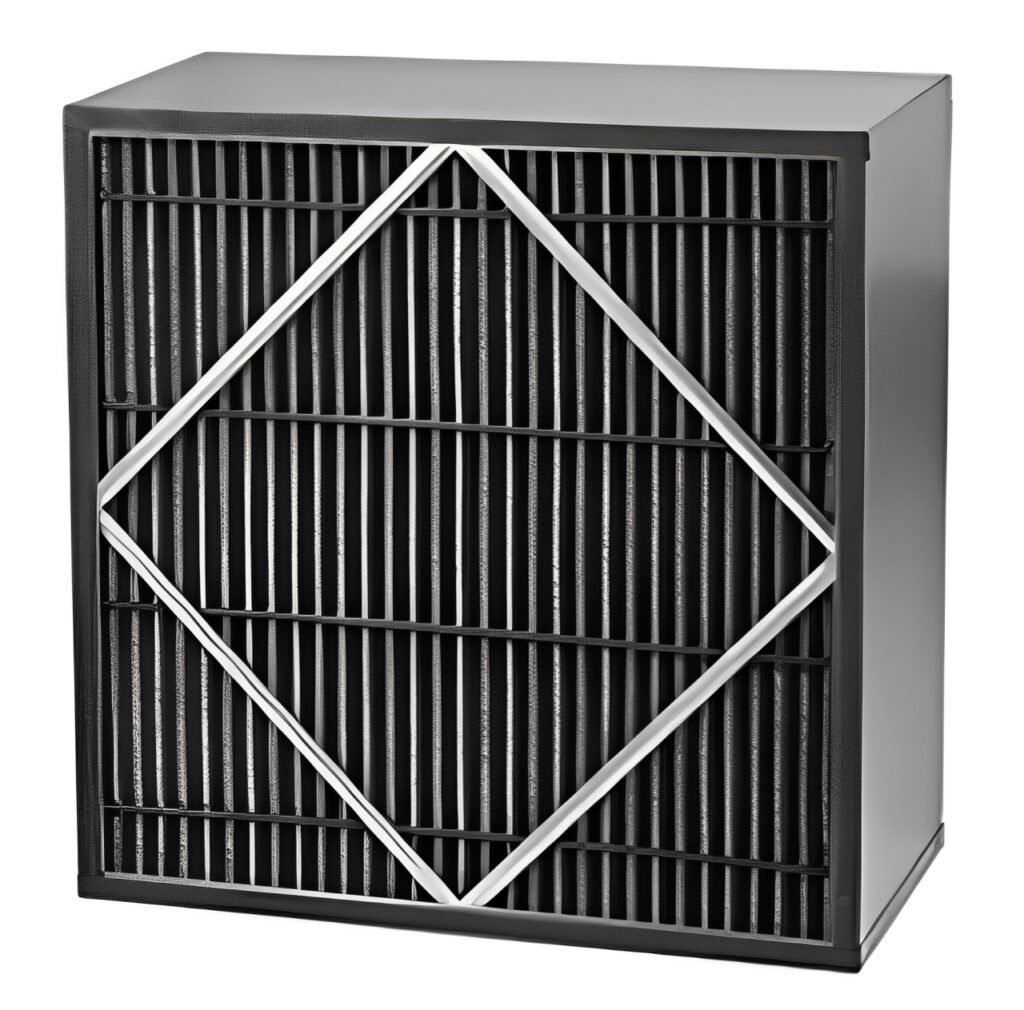
Odor and VOC Removal
Everyone wants clean air at home. An Activated Carbon Filter helps remove many smells and harmful gases. You can use it in air purifiers, greenhouses, or your kitchen. These filters help with odors from cooking, pets, and tobacco smoke. You might smell less frying oil, fish, strong spices, or burnt food. If you have pets, the filter helps with urine, feces, dander, and other animal smells. Tobacco smoke leaves a strong odor, but the filter fights the gases that cause it.
Tip: Put your air purifier with an Activated Carbon Filter close to where the smell comes from for the best results.
There are also invisible dangers called volatile organic compounds (VOCs). These come from cleaning sprays, paints, and furniture. The filter grabs many VOCs, so your indoor air is safer. You can see how much carbon you need for different VOC levels in the table below:
VOC Level (μmol/m³) | Amount of Activated Carbon Needed (g) |
|---|---|
0.1 – 1 | 190 – 370 |
10 | Up to 1,100 |
During Wildfires | 3,000 – 15,000 or more |
Activated Carbon Filters are important for making air better by removing these gases and smells.
Other Contaminants
You might wonder if an Activated Carbon Filter can take out other harmful things. The answer depends on what you want to remove. These filters can partly take out some heavy metals from air and water. Lab tests show they can remove up to 90% of some heavy metals. You can look at the table below for more information:
Contaminant Type | Removal Efficiency |
|---|---|
Heavy Metals | Up to 90% |
Activated Carbon | Varies, often <80% |
Nanostructured Materials | 90% or more |
But these filters do not work for everything. They cannot take out things like fluoride, nitrates, sodium, inorganics, or radionuclides. Here is a quick list:
Substances Not Effectively Removed |
|---|
Fluoride |
Nitrates |
Sodium |
Inorganics |
Radionuclides |
You might think an Activated Carbon Filter can clean all air pollution, but that is not true. These filters do not catch dust, pollen, or other particles. If you have allergies or asthma, you need a HEPA filter for those things. The table below shows the difference:
Filter Type | Particle Removal Capability | Gaseous Pollutant Removal |
|---|---|---|
HEPA Filters | Large and nanosized | Limited |
Activated Carbon | Limited | Effective |
Note: Use a HEPA filter for dust and things that cause allergies. Use an Activated Carbon Filter for smells and gases.
Now you know what these filters can and cannot do. This helps you pick the right filter for your needs.
How Do Activated Carbon Filters Actually Work?
Activated carbon filters work by trapping contaminants and impurities through a process called adsorption. When water or air passes through the activated carbon, pollutants adhere to the surface of the carbon granules, effectively removing them from the fluid.
Adsorption Process
Have you ever wondered how an Activated Carbon Filter catches bad stuff? It uses something called adsorption. When air or water goes through the filter, the bad things stick to the carbon. The carbon has lots of tiny holes called pores. These pores give the carbon a huge surface area. This means there is more space for the bad stuff to stick.
The surface of activated carbon pulls in molecules using special forces. These are called Van der Waals forces and induced dipole interactions. These forces grab gases and chemicals and hold them on the carbon. How well this works depends on the size and number of pores. If the pores fit the size of the bad molecules, the filter works better.
Scientists found that the best filters have many good pores. The size of the pores matters because different bad things have different sizes. For example, natural organic matter gets caught in bigger pores. So, the shape and size of the carbon help it clean air or water.
You might not know how much surface area activated carbon can have. Some types have up to 4,320 square meters in just one gram. Most filters have about 1,000 square meters per gram. That is like having a soccer field in a teaspoon of carbon!
Tip: A filter with more surface area and the right pore size will work better at removing chemicals and smells.
Filter Types
Activated carbon filters come in different types. Each type works best for certain jobs. The main types are granular activated carbon (GAC), carbon block filters, and powdered activated carbon (PAC). Some filters use special carbon called catalytic carbon for hard-to-remove chemicals.
Here is a table to help you compare the main types:
Filter Type | Description | Contaminant Removal Efficiency |
|---|---|---|
Granular Activated Carbon (GAC) | Loose granules with high surface area. Good for fast flow rates. | Effective for chlorine, VOCs, and odors. |
Carbon Block Filters | Compressed carbon powder in a solid block. Longer contact time. | Removes smaller particles and persistent chemicals. |
Powdered Activated Carbon (PAC) | Very fine particles, used in point-of-use filters. | High efficiency for small contaminants. |
Catalytic Carbon | Enhanced reactivity for stubborn chemicals. | Superior for certain VOCs and persistent chemicals. |
The way the filter is made changes how well it works. GAC filters have loose pieces, so air or water moves fast. They are good for taking out chlorine and smells, but may miss tiny particles. Carbon block filters are packed tight, so air or water stays longer in the filter. This helps them catch smaller and tougher bad things.
What the carbon is made from also matters. Coconut shell carbon has more tiny pores than coal or wood carbon. This gives it more surface area and makes it better for catching VOCs. Wood carbon has bigger pores, so it is good for removing color and some smells, but not tiny things.
Note: If you want to remove VOCs and smells, coconut shell carbon filters work best.
You might care about helping the planet. Activated carbon filters use less energy than other systems like reverse osmosis. They waste less water and often come from things like coconut shells. Some can even be recycled, which is better for the earth.
When you pick a filter, think about what you want to remove. Also think about how fast you need air or water to move. If you care about the environment, look for filters made from renewable materials. The right filter and material can make a big difference.
What Factors Affect the Performance of Activated Carbon Filters?
The performance of activated carbon filters is influenced primarily by factors such as pore size, surface area, and the type of contaminants. These elements directly impact the filter’s efficiency in removing impurities from air or water.

Carbon Amount
Not all filters work the same way. The amount of activated carbon inside is important. More carbon lets the filter trap more bad stuff and last longer. If there is not enough carbon, the filter fills up fast. Then it stops working well. For a normal room, you need at least 90 grams of activated charcoal for each square foot of filter. The filter should be about 1 inch thick. Filters come in many sizes, so you can pick one that fits your space.
How old the carbon is also matters. Old carbon does not grab as many pollutants. Some filters can be refreshed and used again. This is called regeneration. If your filter uses biological activated carbon (BAC), it can remove some tiny pollutants by breaking them down. This helps the filter last longer.
Here is a table that shows how much carbon and its age change how well the filter works:
| Key Findings — Description | | Age and Regeneration — How well the filter removes organic matter depends on how old the carbon is and if you can refresh it. | | Lifespan and Efficiency — Filters last longer and work better if you refresh the carbon and match it to the pollutant. | | Biodegradation — BAC filters can remove tiny pollutants and last longer by breaking them down. |
Tip: Pick a filter with enough carbon and the right thickness for your room. See if the filter can be refreshed or uses BAC to last longer.
Maintenance
You have to take care of your filter to keep the air clean. If you forget to change it, the filter will get clogged. Then it cannot work well. Dirty filters block the air, so your HVAC system has to work harder. This uses more energy. You might notice the air is not as clean. You could even feel sick if you do not change the filter. Sometimes, your system can break if it gets too full.
To keep your filter working, change it every 6 to 12 months. If you use a lot of water or have lots of pollution, change it every three months. Always follow the instructions from the company that made your filter. If you do not have a guide, change the filter at least every six months.
Here is what can happen if you do not change your filter:
Air does not move as well and the filter does not work as good.
The air inside is not as clean and you might get sick.
Your system can get too full and break.
Note: Set a reminder to check and change your filter often. Clean filters help keep your air fresh and your system safe.
You get the best results from your Activated Carbon Filter by picking the right size and taking care of it.
What Are the Most Common Myths About Activated Carbon Filters?
Activated carbon filters are often misunderstood. Common myths include that they can remove all contaminants, they never need replacement, and they work instantly.
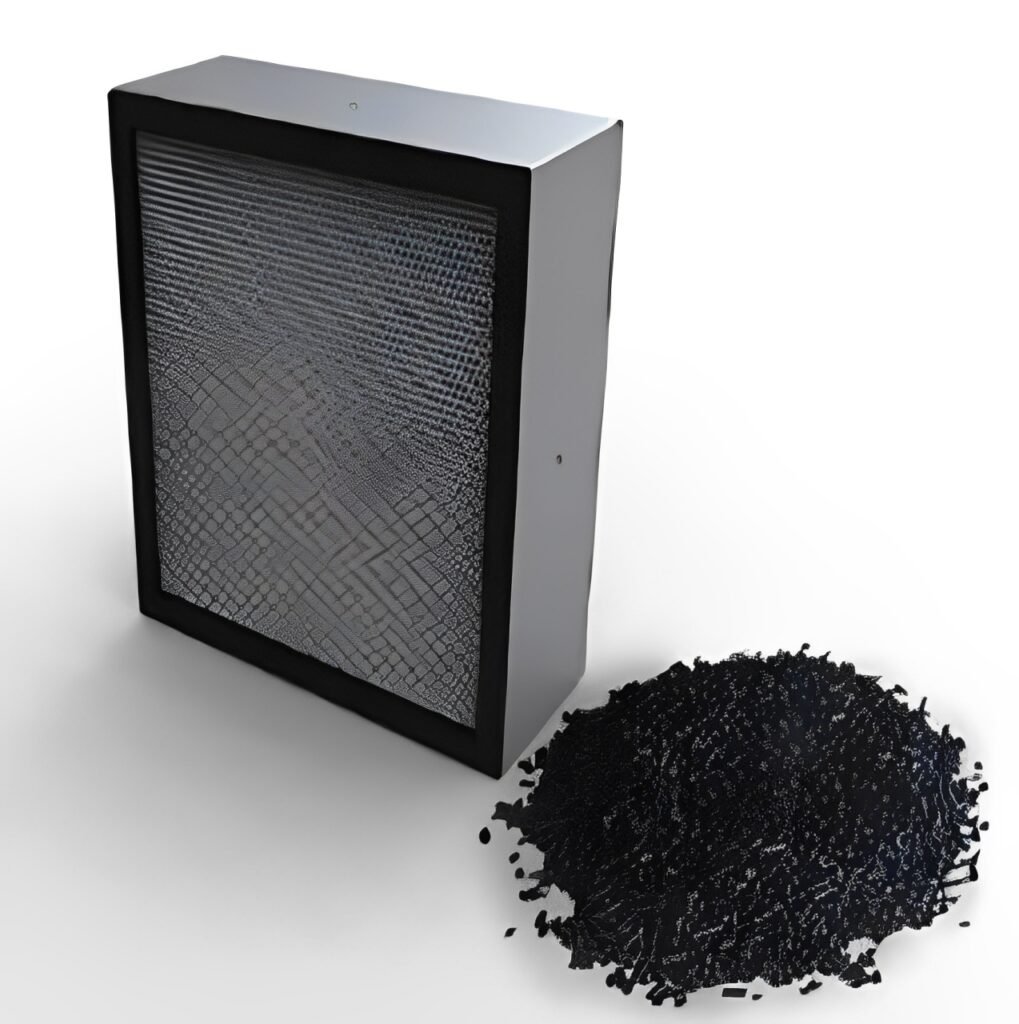
What They Can’t Remove
Some people think an Activated Carbon Filter can clean almost everything from air or water. This is not right. Many believe these filters can get rid of germs like bacteria and viruses. But science shows they do not work well for germs. Experts at Hengst Filtration tested these filters in labs. They found the filters could catch some bacteria. But in real life, both regular and antimicrobial filters did not stop bacteria or viruses. Sometimes, viruses even went through the filter and got back into the air or water.
You might also hear that these filters take out hard water minerals, fluoride, or nitrate. Science does not support these claims. Here are things activated carbon filters do not remove:
Hard water minerals (calcium and magnesium)
Fluoride
Nitrate
Some other chemicals
Some companies say their filters can remove PFAS. But what happens in labs does not always happen at home.
Tip: Always check what a filter can really remove before you buy it.
Marketing Claims
Ads for filters often make big promises. Some companies use their own test results and do not ask outside experts to check them. Independent groups like NSF test filters to see if they work as promised. They use strict rules to check for safety and how well the filter works.
Certification Standard | Purpose | Details |
|---|---|---|
Contaminant Reduction | Makes sure filter does not add harmful substances. | |
NSF/ANSI 53 | Structural Integrity | Checks if filter stays strong under pressure. |
General Certification | Accuracy of Claims | Confirms product labels and ads are truthful and accurate. |
You should pick filters with these certifications. They help you know the filter does what it says. Many people feel let down by their filters because they expect too much. Humid air, tricky technology, and changing conditions can make filters less reliable.
Note: Always read the label and look for third-party certifications before you trust a filter’s claims.
How Should You Select and Take Care of an Activated Carbon Filter?
To select and take care of an activated carbon filter, choose one with the appropriate pore size for your needs and replace or regenerate it regularly to ensure optimal performance.
Choosing the Right Filter
Think about what you want to clean. Some filters work better for smoke. Others are good for pet smells. Some help with chemical fumes. Look at this table to help you choose:
Criteria | Description |
|---|---|
MERV Rating | Make sure the filter’s MERV rating fits your furnace. |
Type of Filter | Pleated carbon filters go in furnaces. Purifiers hold more carbon for smells. |
Application Purpose | Pick filters for smoke, chemical fumes, or pet smells. |
Different filters work best in different places. Air purifiers clean gases and smells. Water filters remove organic stuff and chlorine. Industrial filters clean strong chemicals. Check this table for a quick look:
Application Type | Strengths | Limitations |
|---|---|---|
Air Purifiers | Removes VOCs, smells, and gases | Cannot remove mold or some particles |
Water Filters | Removes organic stuff, free chlorine | Not good for sodium, germs, or heavy metals |
Industrial Uses | Removes smells, chemical pollutants | Needs special types for heavy metals |
Tip: Always look for certifications like NSF or Water Quality Association. These show the filter is safe and works well.
Maintenance Tips
You want your filter to last and work well. Follow these steps:
Store filters in a cool, dry spot. Wet places make them work less.
Keep filters away from humidifiers or leaks. Water fills up the carbon and stops it from trapping smells.
Use a pre-filter to block dust and dirt. This keeps the carbon clean.
Rinse new filters before using them. This gets rid of extra carbon dust.
Change filters every 2 to 6 months, or as the maker says.
Watch for carbon dust. Too much dust means the filter may be breaking down.
Keep filters away from fire and chemicals for safety.
Humidity and temperature change how your filter works. High humidity fills the carbon with water vapor. This leaves less room for chemicals. High temperatures make chemicals move faster. They spend less time in the filter.
Environmental Factor | Effect on Performance and Maintenance Needs |
|---|---|
Temperature | Chemicals move faster, so the filter catches less. |
Humidity | Water vapor fills up the carbon, leaving less room for chemicals. |
Note: Set a reminder to check your filter often. Clean filters keep your air and water safer.
You get the most from your Activated Carbon Filter by picking the right type and taking care of it.
You now know the real strengths and limits of an Activated Carbon Filter. These filters work well for odors and many chemicals, but not for every contaminant. Experts suggest you:
Test your water or air first.
Combine filters for better results.
Replace filters on schedule.
Remember, regular care and smart choices help you get the best performance.
FAQ
How often should you replace an activated carbon filter?
You should get a new activated carbon filter every 6 to 12 months. If you smell strong odors or the air does not move well, change it sooner. Always read and follow the instructions from the company for best results.
Can you wash and reuse an activated carbon filter?
Most activated carbon filters cannot be washed and used again. Water and soap will not make the carbon work like new. When the filter stops working well, you need to replace it.
Do activated carbon filters remove mold spores or pollen?
Activated carbon filters do not take out mold spores or pollen. You need a HEPA filter to catch those particles. Activated carbon filters are best for removing gases and smells, not dust or things that cause allergies.
Are activated carbon filters safe to use in your home?
Activated carbon filters are safe to use at home. They do not put harmful stuff into your air or water. For best safety, install and replace them the way the instructions say.