
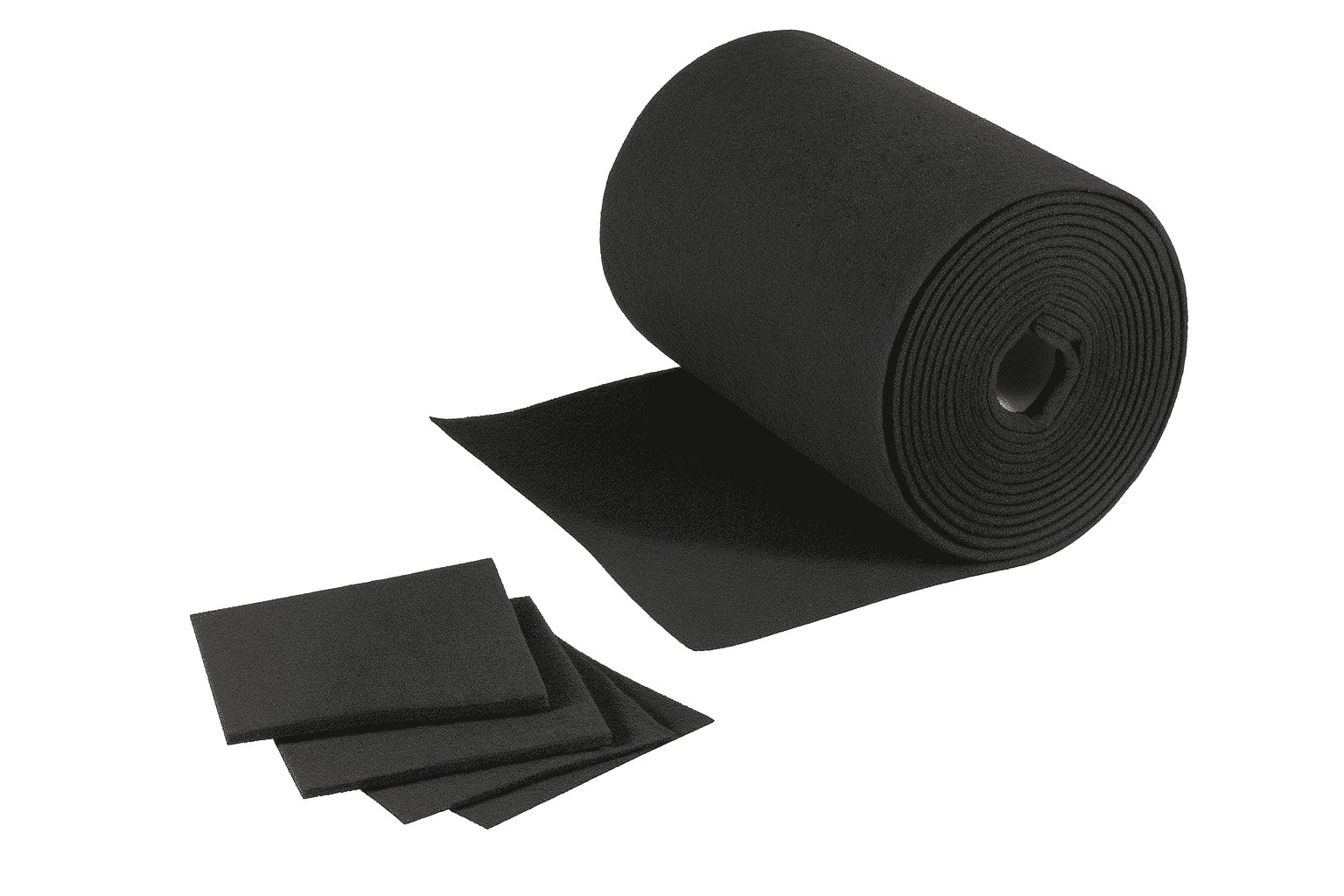
Activated carbon filter media helps make water cleaner by catching bad stuff through adsorption. When you use an activated carbon filter, you take out things that can hurt your water. These things are chlorine, hydrogen sulfide, radon, and many pesticides. Studies show activated carbon can take out heavy metals from water with 75% to 96% efficiency. You also get rid of common pollutants in city water:
Pharmaceuticals
Phosphate
Chlorine and its byproducts
Chloride
Pesticides and herbicides
Lithium
With activated carbon filtration, you see better water right away. The activated carbon water filter makes your water taste better, smell nicer, and look clearer. You also make your water safer and enjoy better quality for everyday use.
Key Takeaways
Activated carbon filters help make water better by taking out bad things like chlorine, pesticides, and heavy metals. This makes your water safer and taste better.
There are different activated carbon filters for different jobs. Pick the right filter for your water to get the best results.
You need to take care of your activated carbon filter. Change it on time so it keeps cleaning your water well.
Activated carbon filters are good for the planet. They help cut down on plastic trash and can be used again or recycled. This helps you and the earth.
To get the best clean water, think about things like pore size and water flow. These things change how well the filter catches bad stuff.
What Is Activated Carbon Filter Media and What Is It Made Of?
Activated carbon filter media is a highly porous material designed to capture and remove contaminants from air and water. It is primarily made from organic materials such as coconut shells, coal, or wood that have been processed to increase their surface area and adsorption capacity.

Composition and Structure
Activated carbon filter media cleans water because it has a special design. The activation process heats carbon at very high temperatures. This makes lots of tiny holes and gives it more surface area. The tiny holes help catch bad stuff in the water. Different pore sizes do different jobs, as shown in the table:
Pore Size | Role in Filtration |
|---|---|
Micropores | Good for catching small molecules and boosting adsorption. |
Mesopores | Useful for trapping bigger organic compounds. |
Macropores | Help remove larger contaminants from water. |
Activated carbon filter media comes from natural things like:
Wood
Bituminous coal
Nutshell
Coconut shell activated carbon is special because it can catch more impurities and lasts longer. You often find coconut shell activated carbon in filters for drinking water. The way the filter is made and what it is made from changes how well it works.
Types of Activated Carbon Filters
There are different kinds of activated carbon filters for water. Each kind works best for certain jobs:
Coconut Shell-Based Granular Activated Carbon (GAC)
Wood-Based Powdered Activated Carbon (PAC)
Coal-Based Activated Carbon Pellets
Impregnated or Catalytic Activated Carbon
Honeycomb Activated Carbon
Granular activated carbon filters let water move fast, but they might not catch as many bad things as carbon block filters. Carbon block filters hold the carbon tightly, so water touches the media longer. This helps carbon block filters trap smaller particles and more types of contaminants. Carbon block filters clean water better, but water moves slower through them. Powdered activated carbon is good for emergencies or factories. Using an activated carbon water filter helps remove harmful stuff. Activated carbon filtration gives you cleaner and safer water every day.
How Does Activated Carbon Filter Media Work in Water Filtration?
Activated carbon filter media works by adsorbing impurities from water, effectively removing contaminants like chlorine, volatile organic compounds (VOCs), and unpleasant odors. This process enhances water quality, making it safer and more palatable for consumption.
Adsorption Mechanism
When you use activated carbon filter media in water filtration, it uses a process called adsorption. This means the filter grabs and holds things from the water. Activated carbon filter media has a very large surface area. One gram can have more than 1000 square meters. The surface is full of tiny pores. These pores pull in and trap bad stuff in the water. The main force that helps is called van der Waals forces. These forces make organic compounds and other impurities stick to the carbon.
You can think of activated carbon filter media like a sponge. But instead of soaking up water, it holds onto molecules from the water. The size and shape of the pores are important. If the pores fit the contaminants, the filter works better. The way the carbon is built helps it catch organic impurities. It can grab many chemicals that make water less clean.
Tip: How well the filter works depends on things like pore size, how long water touches the filter, temperature, and pH. Lower pH and slower water flow help the filter catch more bad stuff.
Contaminants Removed
Activated carbon filter media can take out many contaminants from water. This gives you cleaner and safer water for drinking and other uses. Here is a table that shows what activated carbon filter media can remove:
Contaminant | Removed by Activated Carbon Filter |
|---|---|
Chlorine | Yes |
VOCs (volatile organic compounds) | Yes |
Pesticides and many organic chemicals | Yes |
Waterborne radon | Yes |
Heavy metals | No (unless paired with other media) |
Activated carbon filter media is very good at taking out chlorine. When chlorine is removed, water tastes and smells better. The filter also helps remove chlorine byproducts. These byproducts are called disinfection byproducts. They can change how your water tastes and can affect your health.
Activated carbon filter media also works well for pesticides and VOCs. These are chemicals that can get into water from farms or factories. The filter is good at catching organic impurities. It can also make water look clearer by reducing color.
The size of the pores in the filter is important for what gets removed. Here is a table that shows how different pore sizes catch different contaminants:
Pore Size Category | Size Range | Contaminants Captured |
|---|---|---|
Micropores | <2 nm | Small molecules (gases, low molecular weight organics) |
Mesopores | 2–50 nm | Larger organic molecules (dyes, VOCs) |
Macropores | >50 nm | Transport channels for guiding contaminants to smaller pores |
You get the best results when the pores are the right size for the contaminants in your water. The type of activated carbon filter media and how it is made change what it can remove.
Many things affect how well your activated carbon filter media works:
Molecular weight: Bigger molecules are easier to catch.
pH: Lower pH helps the filter catch more organic compounds.
Contaminant concentration: More contaminants make removal easier.
Particle size: Smaller carbon pieces give better contact but slow water flow.
Flow rate: Slower flow gives the filter more time to work.
If you want the best water filtration, pick a filter with the right pore size and keep the water flow slow enough for good contact. Activated carbon filter media gives you an easy and effective way to make water better by removing chlorine, VOCs, pesticides, radon, and many other contaminants.
What Are the Key Benefits of Using Activated Carbon Water Filters?
Activated carbon water filters effectively remove impurities and improve water taste by adsorbing contaminants. They are economical, environmentally friendly, and easy to maintain, making them a popular choice for home water filtration systems.

Improved Taste and Odor
Everyone wants water that tastes good and smells nice. An activated carbon filter helps by taking away bad tastes and smells. It removes chlorine and other chemicals that make water taste or smell weird. This makes your water taste better and smell cleaner every day.
Activated carbon filter media traps chemicals and organic compounds that cause bad flavors. It also lowers MIB and geosmin, which make water smell earthy or musty. The table below shows how well granular activated carbon works:
Type of Activated Carbon | Effectiveness | Duration of Odor Threshold Reduction |
|---|---|---|
Granular Activated Carbon (GAC) | Good at lowering MIB and geosmin | 10 months (EBCT of 6.5 and 13 min) |
Granular Activated Carbon (GAC) | Good at lowering MIB and geosmin | 18 months (EBCT of 20 min) |
You will see less chlorine, which gives water a chemical taste.
The filter takes out organic compounds that make water worse.
Activated carbon filtration grabs impurities, so water tastes and smells better.
Enhanced Water Clarity and Safety
People want water that looks clear and is safe to drink. An activated carbon filter removes things that make water cloudy or unsafe. This means you get better water for drinking, cooking, and cleaning.
Activated carbon filtration catches many contaminants like pesticides, VOCs, and some metals. It keeps important minerals like calcium and magnesium in your water. You still get the nutrients you need. This makes it a smart choice for cleaning water well.
Note: Sometimes, activated carbon filters let harmless bacteria grow. If you are healthy, this is not a big problem. People with weak immune systems should make sure their water is cleaned first to remove harmful bacteria.
Activated carbon filter media cleans water by removing bad stuff but keeps good minerals.
You get easy care and low energy use, so it saves money.
Good water purification means you get better water every day.
When you pick an activated carbon filter, you get water that tastes and smells better, looks clearer, and is safer for your family. This easy step can help your daily life a lot.
Where Is Activated Carbon Filter Media Used and How Can You Choose the Right One?
Activated carbon filter media is widely used in air and water purification systems. It effectively removes contaminants, odors, and volatile organic compounds (VOCs) from both environments. To choose the right activated carbon filter, evaluate the specific application, contaminants to be removed, and required flow rate.

Residential and Industrial Uses
You can find activated carbon filter media in many places. People use these filters at home in kitchens and bathrooms. They help take away bad smells and some chemicals from air and water. If you have pets or cook a lot, you may notice less odor. These filters also make drinking water taste better and safer.
Offices and stores use activated carbon filter media to keep air fresh. Grow tents use them to stop strong smells. Factories and labs use these filters to clean air and follow rules. Big water plants use activated carbon filter media to get rid of dangerous chemicals and gases. Bottled water companies use these filters to make sure water is safe to drink.
Activated carbon filter media is important for cleaning water and air in homes and businesses. You get better water and air when you use these filters.
Selecting the Best Filter
Picking the right activated carbon filter media depends on what you need. You should check a few things to get the best filter. The table below shows what to look for:
Criteria | Description |
|---|---|
Granule Size & Uniformity | Steady flow rates and less clogging. |
Ash Content | Low ash (<5%) means better adsorption and longer life. |
Surface Area (Porosity) | Higher surface area (900–1200 m²/g) gives better filtration. |
Iodine Value | Good adsorption capacity (1000 mg/g or more) for water treatment. |
Bulk Density | Ideal for coconut shell GAC is 0.45–0.55 g/cc. |
Certifications | Look for ISO, AWWA, or NSF/ANSI 61 for safety and quality. |
Always check for certifications when you buy a filter. These rules make sure your filter is safe and works well. Good quality is important for cleaning water, so pick a filter that meets these standards.
Maintenance Tips
You need to take care of your activated carbon filter media to keep it working. Good filters last longer, but you should check them often. If you use a lot of water or have dirty water, you may need to change the filter sooner. Most filters last 6 to 12 months. Follow the maker’s advice for when to change it.
Maintenance checklist:
Look for clogs and change the cartridge if needed.
Change water filter cartridges every three to six months.
Clean the filter as the maker says.
Write down water test results and when you do maintenance.
Use a water meter to see how much water you use.
Run water through the filter for 30 seconds to wash out bacteria.
Taking care of your filter helps it last longer and keeps your water clean. Changing the filter on time stops problems and keeps your water system working well.
What Eco-Friendly Advantages Does Activated Carbon Filter Media Offer?
Activated carbon filter media provides significant eco-friendly advantages by effectively removing pollutants and contaminants from air and water. It offers high adsorption capacity, which helps in trapping chemicals and odors, thus improving environmental quality. Activated carbon is also renewable and can be reactivated for repeated use, reducing waste.

Environmental Impact
When you pick an activated carbon filter, you help the earth. Most activated carbon filter media is made from things like coconut shells. These are natural and can grow back. They break down in nature and do not harm the planet. Using these filters at home means you are making a green choice.
Activated carbon filtration also cuts down on plastic waste. The filter catches microplastics as water goes through it. This keeps tiny plastic pieces out of your water. The filter has lots of small holes and a big surface area. This helps it trap even the smallest bits.
You can check the table below to see the green benefits:
Aspect | Description |
|---|---|
Material Type | |
Reactivation | Spent activated carbon can be reactivated and reused, minimizing impact |
Environmental Impact | Offers an eco-friendly filtration solution, reducing waste and disposal costs |
Many companies will take away your old filters. They clean and refill them for you. Some even recycle the used carbon. This helps you make less trash and care for the earth.
Longevity and Reusability
Activated carbon filters last a long time, so you get more use. How long they last depends on the type you choose:
Filter Type | Lifespan |
|---|---|
Granular Activated Carbon | |
Carbon Block | 6 to 12 months |
When your filter is used up, you do not have to throw it away. You can make activated carbon filter media work again in different ways. Heating the carbon removes the trapped stuff. Washing with water gets rid of things that dissolve. Chemicals or helpful bacteria can also clean the filter.
You can use activated carbon filter media again after cleaning.
Ways to clean it include heating, washing, chemicals, or bacteria.
Cleaning the filter means less trash and saves you money.
Some companies will recycle your old filters for you. They take out the old media, clean it, and put it back. This keeps waste low and helps you keep your water clean at home or work.
When you use an activated carbon filter, you help the planet and get clean water with less harm to the environment.
You can make water better at home or work with activated carbon filter media. This filter takes out chlorine, VOCs, pesticides, and some heavy metals. Your water tastes better, smells nicer, and is safer to drink. Many people use activated carbon water filters every day. To keep your filter working well, do these things:
Wash and rinse the filter when it gets dirty.
Change the filter when it is time.
Check how your water tastes and looks often.
Picking the right activated carbon filter lets you have fresh and clean water every day.
FAQ
How often should you replace your activated carbon filter?
Change your activated carbon filter every 3 to 6 months. Always read the instructions from the maker. If your water tastes bad, change the filter early. If your water smells strange, replace the filter sooner.
Can activated carbon filters remove all contaminants?
Activated carbon filters take out chlorine, VOCs, and some metals. They cannot remove every bacteria or virus. They also do not take out all minerals.
Contaminant Type | Removed? |
|---|---|
Chlorine | ✅ |
Bacteria | ❌ |
Viruses | ❌ |
Is activated carbon filter media safe for drinking water?
You can use activated carbon filter media for drinking water. It does not put harmful chemicals in your water.
Always pick filters with NSF or ISO certification to stay safe.
How do you know when your filter needs changing?
Watch for these signs:
Water tastes bad
Water smells weird
Water flow gets slow
Filter looks dirty
If you see any of these, change your filter.