
Activated carbon filter cotton helps clean air and water. It traps things you do not want. You see it as a layer of activated carbon powder. This powder sticks to a soft, non-woven fiber. This special design lets you filter out many bad things easily.
The activated carbon filter market may reach USD 16.7 billion by 2035. This shows many people want this technology.
In 2022, the market was worth $1.6 billion. It is expected to keep growing.
Key Takeaways
Activated carbon filter cotton helps clean air and water. It traps bad things to make your space safer.
This filter works well against smells, chemicals, and heavy metals. It gives you cleaner air and water that tastes better.
You can use activated carbon filters in many places. Try them in kitchens, bathrooms, or aquariums for better air and water.
Change your filter every 3 to 6 months. This keeps it working well and gives you clean air and water.
Pick filters made from renewable materials to help the planet. This also keeps your home healthy.
What Is Activated Carbon Filter Cotton and What Makes It Unique?
Activated carbon filter cotton is a filtration material composed of cotton fibers impregnated with activated carbon. This filter effectively removes impurities from air and water, including odors, gases, and some chemicals, through adsorption. Its unique feature lies in its ability to trap contaminants due to the high surface area of activated carbon.
Material and Structure
You may ask why activated carbon filter cotton is special. It is made of two main parts. One part is a layer of activated carbon powder. The other part is a soft, non-woven fiber. This fiber keeps the carbon powder in place. This design makes the filter both strong and bendy.
The activated carbon has lots of tiny holes called pores. These pores give the filter a very large surface area. This means the filter can catch more unwanted things. Some filters, like sediment filters, only catch big pieces. They cannot remove chemicals or gases that are dissolved. Activated carbon filter cotton is used after other filters. It catches things like chlorine, some heavy metals, and bad gases that other filters miss.
Tip: The special structure of activated carbon helps it grab and hold many kinds of contaminants. This makes it better than filters that only block big pieces.
How It Works
Activated carbon filter cotton cleans air and water by adsorption. When air or water goes through the filter, the pores grab unwanted molecules. These molecules stick to the carbon and stay there. This removes things like smells, chemicals, and some heavy metals from air or water.
The filter works well because it has many pores and a big surface area. More surface area means more places for bad things to stick. This is why activated carbon filter cotton can remove many different things. People use it in homes, hospitals, and factories because it works in many places.
Here is a table that shows how well activated carbon filter cotton removes different contaminants:
Contaminant Type | Effectiveness of Activated Carbon Filtration |
|---|---|
Organic Compounds | Effectively reduces certain organic compounds and chlorine in drinking water |
Heavy Metals | Can reduce lead, though specialized filters are needed for heavy metals |
Radon | Can remove radon gas, though removal rates vary |
Pesticides | |
Organic Chemicals | Effectively reduces contaminants such as benzene and trichloroethylene |
You can see that activated carbon filter cotton works on many contaminants. Its high adsorption capacity makes it good for many cleaning jobs. You get cleaner air and water because this filter traps odors, gases, and chemicals that other filters cannot.
Activated carbon filter cotton removes smells, exhaust gas, and odors well.
People use it in kitchens, bathrooms, hospitals, and factories.
How well it works depends on its adsorption capacity, which comes from its special structure.
Activated carbon filter cotton is different because it does more than block particles. It grabs and holds harmful things, so your air and water are safer and cleaner.
What Contaminants Can Activated Carbon Filter Cotton Remove?
When you use activated carbon filter cotton, you can clean both air and water. The filter can catch many different things. It works in a special way for each job. Let’s see what it can take out of air and water.
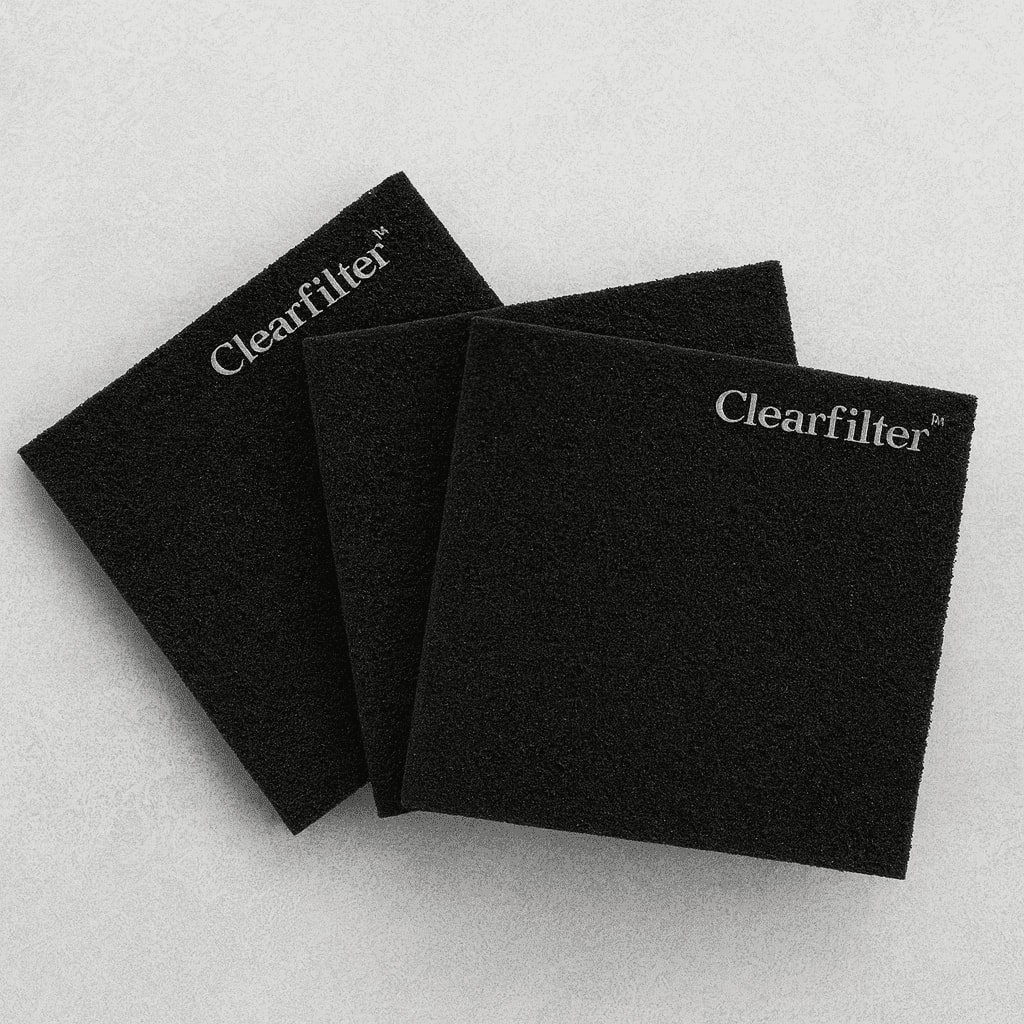
Airborne Pollutants
You breathe in many things every day. Some of these things are not safe. Activated carbon filter cotton helps take out dangerous stuff from the air. Here are some main things it can trap:
Odors
Toxic substances
Organic pollutants
Volatile organic compounds (VOCs)
Ammonia
Formaldehyde
Benzene
These things come from cars, factories, cleaning sprays, and even furniture. VOCs are chemicals that can make you sick or give you allergies. The filter’s pores grab these chemicals and keep them out of your body.
You may wonder how well the filter works for different VOCs. The table below shows how different types of activated carbon do the job:
Type of Activated Carbon | Efficiency in Removing VOCs | Specific VOCs Filtered |
|---|---|---|
Pure Charcoals | High | All target substances |
Impregnated Charcoals | High | Formaldehyde |
Charcoal Cloths | Moderate to Low | Toluene, Alpha-Pinene |
Note: The kind of activated carbon in your filter changes how well it removes some chemicals. Pure and impregnated charcoals work best for most VOCs.
Water Impurities
When you use activated carbon filter cotton in water, it can catch other things. These things can change how your water tastes, smells, or how safe it is. Here are some common things the filter can remove:
Impurity Type | Description |
|---|---|
Chemicals | Various harmful chemicals present in water. |
Chlorine | A common disinfectant that can affect taste. |
Organic Compounds | Includes pesticides and other organic pollutants. |
You often find chlorine in tap water. Chlorine keeps water safe but can make it taste or smell bad. Organic compounds, like pesticides, can get into water from farms or gardens. Activated carbon filter cotton helps take these things out, so your water is cleaner and safer.
Heavy metals, like lead, can also be in water. The filter can remove some heavy metals, but it depends on the carbon’s quality. Other ways, like reverse osmosis, usually work better for heavy metals. The type of carbon—coal, nut shell, or bamboo—also changes how well the filter works.
Activated carbon filter cotton can take out some heavy metals, but it works best if the carbon is good quality.
Other filters, like reverse osmosis, are usually better for heavy metals.
How well activated carbon works depends on its type, like coal charcoal, nut shell, or bamboo charcoal.
Tip: If you want to remove heavy metals, check what kind of carbon is in your filter. You may need another filter for the best results.
Differences in Air vs. Water Filtration
You can use activated carbon filter cotton for both air and water. But the things you want to remove are not the same. In air, you mostly want to catch gases, odors, and VOCs. In water, you want to remove chemicals, chlorine, and organic compounds. The filter’s special design lets it trap both, but you should pick the right filter for your needs.
Where Can Activated Carbon Filter Cotton Be Used?
Activated carbon filter cotton is versatile and can be used in various applications to purify air and water. It is commonly employed in air purifiers, HVAC systems, and automotive air conditioning to remove odors and pollutants. Additionally, it is used in water filtration systems to absorb contaminants and improve taste.

Air Filtration Applications
Activated carbon filter cotton helps clean air in many places. You can use it at home, in schools, or in offices. It is found in air purifiers and HVAC systems. These filters help you breathe better air every day.
In kitchens, it removes cooking smells fast. Bathrooms use these filters to get rid of bad odors. If you live near busy roads or factories, air pollution can be a problem. Activated carbon filter cotton traps harmful gases and VOCs from things you use at home. It also helps in places with tobacco smoke. The filter grabs smoke smells and keeps air fresh.
Some common ways to use it for air are:
Takes away cooking smells in kitchens
Cuts down odors in bathrooms
Filters VOCs from cleaning and painting
Catches tobacco smoke smells
Makes air better in living rooms and bedrooms
Tip: Put these filters in pet areas to help with animal smells and fur.
Water Purification Applications
You can use this filter to clean water too. Many water pitchers and dispensers have activated carbon filter cotton. It helps make water taste and smell better. The filter takes out chlorine, organic stuff, and some pesticides. People use it in aquariums to keep fish safe. Some put these filters in fridges for better drinking water.
You can find these filters in water bottles and camping gear. They help you drink safe water outside. Some pet products use them to clean water for animals. You can use them in fish tanks, fountains, and small ponds.
Here is a table that shows how people use it for water:
Application | Purpose |
|---|---|
Water pitchers | Makes water taste and smell good |
Aquariums | Keeps fish water safe |
Camping gear | Gives safe water to drink |
Pet water dispensers | Cleans water for pets |
Note: Change the filter often to keep air and water clean.
What Are the Key Benefits of Using Activated Carbon Filter Cotton?
Activated carbon filter cotton offers efficient air purification by capturing contaminants and odors. It combines activated carbon with filter cotton, which enhances its ability to trap pollutants. This filter is commonly used in air purifiers and HVAC systems due to its effectiveness and versatility.

Filtration Efficiency
Everyone wants clean air and water at home. Activated carbon filter cotton helps make this happen. This filter is special because it uses strong adsorption. The carbon has many tiny pores on its surface. These pores trap odors, gases, and chemicals that other filters miss. This means your air and water get cleaner.
Scientists check how well activated carbon works by looking at its iodine index and surface area. If these numbers are higher, the filter can catch more bad stuff. Here is a table that shows how different samples work:
Sample | Iodine Index (mg/mL) | Specific Surface Area (m²/g) | Methylene Blue Index (mg/g) |
|---|---|---|---|
AC1 | 711.2 | 843.32 | 5369.58 |
AC2 | 812.8 | 1002.92 | 307.12 |
AC3 | 1117.6 | 1481.72 | 7309.33 |
AC4 | 914.4 | 1162.52 | 1232.91 |

Activated carbon filter cotton removes odors and VOCs from the air. HEPA filters catch dust and allergens, but they do not trap gases or smells. If you use both filters together, you get the cleanest air. Carbon filters are good for strong smells, smoke, and harmful gases. You can use them in kitchens, bathrooms, and smoky places.
Practical Value
You want a filter that is easy to use every day. Activated carbon filter cotton gives you many helpful benefits. You do not need electricity for it to work. You can put it in water pitchers, air purifiers, or pet products. The filter makes water taste and smell better by removing chlorine and chemicals. It also takes out pesticides and VOCs, so your water is safer.
Here is a table that shows what each part of a water filter does:
Component | Function | Result |
|---|---|---|
PP Cotton | Captures larger particles like rust, silt, and sand through depth filtration. | Removes visible impurities. |
Activated Carbon | Adsorbs chlorine, volatile organic compounds, and certain heavy metals. | Reduces chemical contaminants. |
You can use activated carbon filter cotton in many places. It works in air-conditioning, factories, and even for compressed air. The filter lasts about 3 to 6 months in most machines. Some high-end systems can last up to 6 years. If you pick filters made from coconut shell carbon, you help the environment.
Tip: Change your filter often to keep your air and water clean.
Activated carbon filter cotton is useful, saves energy, and is simple to use. It helps you stay healthy every day.
Activated carbon filter cotton helps you clean air and water at home. It makes your air better and your water safer to drink. This filter takes out dust, smoke, odors, chlorine, and some heavy metals.
People like that it works for both air and water.
It makes water taste and smell better.
Using filters from renewable materials is good for the planet.
Benefit | Description |
|---|---|
Air Quality | Cuts down on bad stuff and smells, so you stay healthier. |
Water Purity | Takes out chlorine, pesticides, and organic things for safer water. |
Eco-Friendly | Made from things that grow back and can be recycled to make less trash. |
Tip: Change your filter often so your air and water stay clean.
FAQ
What is the main job of activated carbon filter cotton?
You use activated carbon filter cotton to catch chemicals, odors, and particles. It helps make air cleaner to breathe. It also makes water safer to drink.
How often should you change your activated carbon filter cotton?
You should change the filter every 3 to 6 months. If you smell something bad or taste something strange, change it sooner. Always read and follow the instructions from the company that made your filter.
Can you wash and reuse activated carbon filter cotton?
You cannot wash or reuse activated carbon filter cotton. Washing with water or soap does not make it work again. You should always use a new filter for the best results.
Is activated carbon filter cotton safe for pets and children?
Yes, you can use activated carbon filter cotton near pets and kids. It does not let out harmful chemicals. Many people use it in pet water bowls and home air cleaners.
What makes activated carbon filter cotton different from regular cotton filters?
Feature | Activated Carbon Filter Cotton | Regular Cotton Filter |
|---|---|---|
Removes odors/chemicals | ✅ Yes | ❌ No |
Traps large particles | ✅ Yes | ✅ Yes |
Adsorption ability | ✅ High | ❌ Low |