
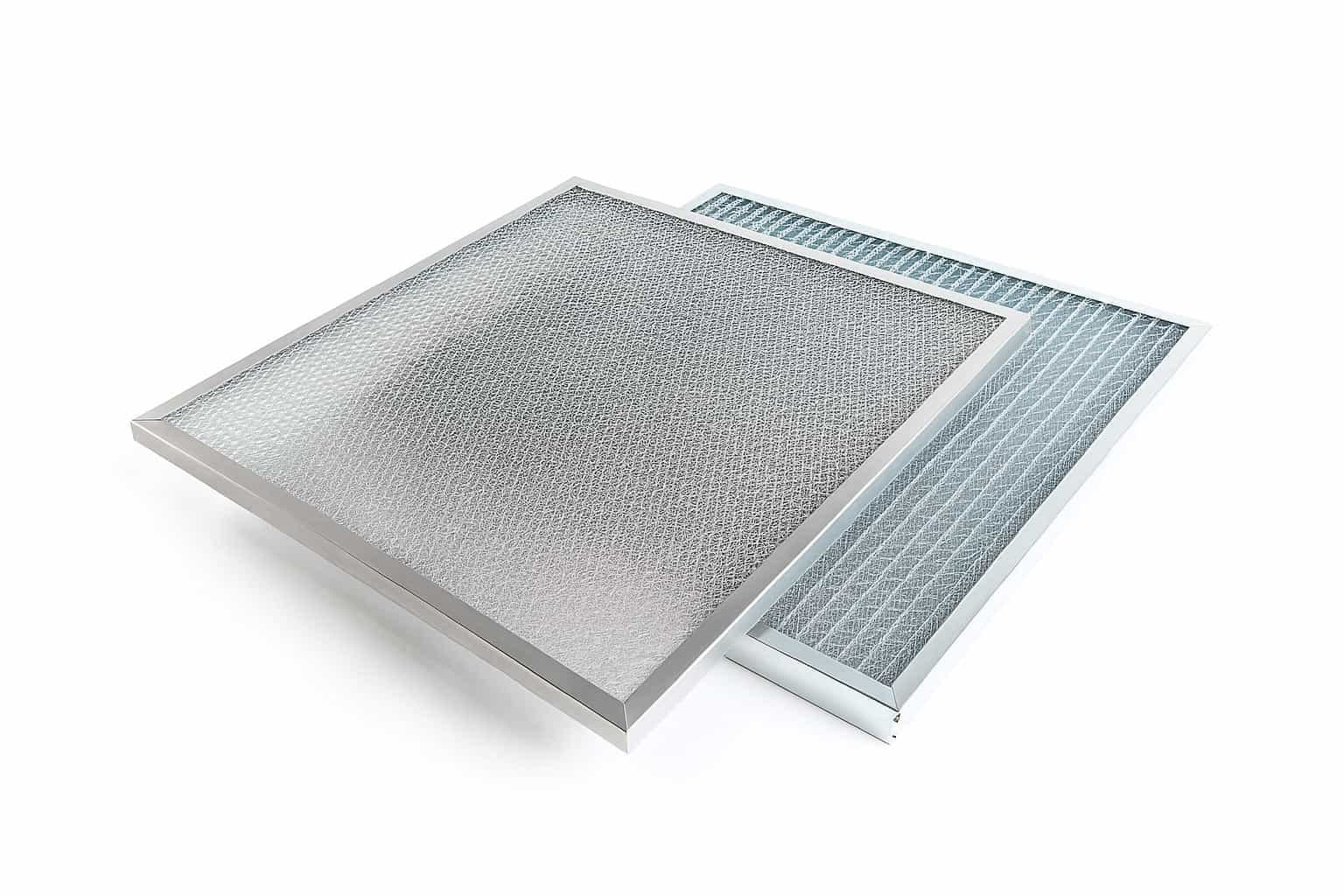
A wire mesh filter has metal wires woven together. It traps or separates unwanted particles from liquids or gases. You can pick the mesh opening size for your needs. This makes these filters very useful. Many industries use wire mesh filters. These include food and beverage, pharmaceuticals, chemicals, water treatment, and HVAC systems. They depend on this technology.
Global Market for Wire Mesh Filters | 2023 | 2032 | CAGR (%) |
|---|---|---|---|
Value | $2.1 billion | 6.1 |
You will often see a Metal Mesh Filter used. It is chosen where strength and accuracy are important.
Key Takeaways
Wire mesh filters use woven metal wires to catch unwanted bits from liquids or gases. Stainless steel is used most often because it is strong, does not rust, and lasts a long time. You can change the mesh size to catch different sizes of particles. A higher mesh count will catch smaller bits. Wire mesh filters are simple to clean and you can use them again. This helps save money over time. Many industries use these filters, like food, medicine, and water treatment. They help keep things safe and working well.
What Is Wire Mesh and How Is It Made?
Wire mesh is a grid-like structure made of intersecting wires. It is commonly used in construction, industrial, and agricultural applications for reinforcement, fencing, and filtration. Wire mesh can be made from various materials, including steel, stainless steel, and aluminum, to suit different needs.
Wire Mesh Definition
Wire mesh is made by weaving or welding thin metal wires. It looks like a grid with small square or rectangle holes. These holes let air or liquid move through. They also catch particles that are too big. You can pick the hole size for your needs. Wire mesh screens block particles by their size. They are strong and you can clean and use them again.
Common Materials
Wire mesh comes from different metals. Stainless steel is the most used for filtration. It does not rust, lasts long, and works in wet or rough places. You can use stainless steel mesh for water or air. Here is a table that shows why stainless steel is a good choice:
Material | Advantages in Filtration Applications |
|---|---|
Stainless Steel | Very strong and lasts long; works in tough places; great against chemicals and rust; saves money and needs little care. |
Other metals like copper, aluminum, and nickel are used too. But stainless steel is the most common for Metal Mesh Filter products.
Tip: Using stainless steel and rust-proof metals helps wire mesh filters last longer, even in hard places like seawater plants.
How Wire Mesh Is Made
Making wire mesh has several steps:
Raw Material Preparation: Workers check and test the metal wires.
Wire Drawing: Machines pull wires to the right thickness.
Mesh Weaving: Wires are woven or welded into a grid.
Heat Treatment: Heating makes the mesh strong and keeps its shape.
Quality Testing: Experts check the mesh for evenness and strength.
Description | |
|---|---|
Raw Material Inspection | Checks wire quality with tests like chemical checks and strength tests. |
Weaving/Welding Quality Control | Watches the weaving or welding for evenness and accuracy, using machines. |
Post-production Inspection | Uses looking and special tests to make sure finished mesh is high quality. |
You get a good Metal Mesh Filter when every step is done well. Careful work means you can trust the filter to last and do its job.
What Is the Structure of a Wire Mesh Filter?
A wire mesh filter is composed of interwoven wires that form a grid-like pattern, creating a physical barrier to trap particles while allowing fluid to pass through. This structure is essential for applications in filtration, separation, and screening processes.

Filter Construction
A wire mesh filter is made with metal wires woven together. This grid shape makes the filter strong and helps it work well. Mesh density, airflow, and strength are all important for the filter.
Mesh density helps catch small particles.
Airflow lets liquids or gases move through easily.
Strength keeps the filter working when under pressure.
Metal Mesh Filters often use stainless steel wires. These wires do not rust and last a long time. This type of filter is trusted for accurate filtration in many industries.
Pore Size and Customization
You can pick the pore size of your wire mesh filter. Mesh count means how many wires are in one inch. This number decides how big or small the holes are. A higher mesh count traps smaller particles. A lower mesh count is better for bigger particles and faster flow. The wire thickness also changes how strong the filter is and how much pressure it can take.
Mesh Count | Particle Size Suitability | Filtration Type |
|---|---|---|
10 | Coarser particles | Coarse filtration |
400 | Finer particles | Fine filtration |
The open area in the mesh changes how much air or liquid can pass through. You can change these features to get the right mix of flow and particle blocking.
Tip: For tiny particles, use a higher mesh count. For faster flow, use a lower mesh count.
Types of Metal Mesh Filter
There are different types of metal mesh filters. Some are made with woven wires. Others use sintered wires. The filter’s structure changes with wire thickness, mesh count, and weave style. These things help you pick the best filter for your job. Small mesh holes are good for fine filtration. Big holes let more flow and catch bigger particles. You can choose the right filter for air, water, or chemicals.
How Do Wire Mesh Filters Work?
Wire mesh filters function by physically obstructing particles and impurities from passing through, allowing only the desired substance—usually a fluid or gas—to flow freely. These filters utilize a tightly woven grid of metallic or synthetic wires, forming a barrier that captures debris based on size.

Filtration Process
Wire mesh filters help separate solids from liquids or gases. First, you push the fluid or gas through the mesh. The mesh has tiny holes that work like a sieve. Big particles cannot fit through these holes. They stay on top of the mesh. This is called the sieving effect. You get clean liquid or gas on one side. The trapped solids form a layer called filter cake.
Here is how the filtration process works:
The mesh catches particles on its surface.
Only small particles go through the mesh holes.
The mesh blocks bigger particles and makes filtering better.
The size and shape of the mesh holes matter a lot. They decide how well the filter works. Look at the table below to see how mesh features change particle separation:
Specification | Description | Impact on Particle Separation |
|---|---|---|
Mesh Count | Number of openings per inch or centimeter | Higher counts allow for finer particle separation |
Wire Diameter | Thickness of the wire used in the mesh | Affects mesh strength and size of particles passing through |
Weave Pattern | The arrangement of wires in the mesh | Influences the overall filtration efficiency |
Think about the size and shape of the particles you want to remove. The flow rate, temperature, and pressure can change how well the filter works. When you pick a Metal Mesh Filter, check its retention rating. This rating tells you what size particles the mesh can block. Pick a filter with the right rating for your job. If the filter is too fine, it may cost more than needed. If it is too coarse, you may not get clean results.
Note: Always match the mesh count and retention rating to your needs. This helps you get the best results and save money.
Typical Applications
Wire mesh filters are used in many industries. Each industry needs different types of filtration. Here are some common uses and what each needs:
Application | Specific Requirements |
|---|---|
Filter Acidic/Alkaline Substances | Needs excellent chemical resistance for aggressive fluids in chemical plants and labs |
Oil Industry | Separates drilling mud and solids to protect equipment and keep processes efficient |
Chemical Fiber Production | Uses fine weave and thermal stability for spinning and filtering synthetic fibers |
Electroplating Pickling Net | Needs durability and non-reactivity as support and filtration media |
Food and Beverage | Requires hygienic-grade mesh to keep products pure when filtering liquids |
Water Treatment | Removes large particles before fine filtration to improve system efficiency |
You see Metal Mesh Filters in chemical plants. These filters must resist strong acids or bases. In the oil industry, filters remove solids from drilling fluids. This keeps equipment safe. In food and beverage factories, filters must be clean and safe. They help keep drinks and foods pure. Water treatment plants use wire mesh filters to catch big debris before finer filters.
Tip: Always pick a filter that fits your industry’s needs. The right Metal Mesh Filter can make things safer, improve quality, and help equipment last longer.
What Are the Benefits and Limitations of Wire Mesh Filters?
Wire mesh filters offer several advantages, such as durability, high-temperature resistance, and effective particle filtration. However, they also have limitations, including potential clogging and limited filtration precision for extremely fine particles.

High Flow Rate
Wire mesh filters let liquids and gases move fast. The mesh has open spaces that help things pass through quickly. This means there is less blockage and faster work. For example, a 1-inch filter can handle 1 to 25 gallons each minute. A 1-1/2 inch filter can go up to 50 gallons per minute. If you use a 50-micron mesh, flow gets even faster. This is good for jobs that need lots of liquid or gas to move.
Filter Housing Size | Flow Rate Range (GPM) |
|---|---|
1″ | 1-25 |
1-1/2″ | 10-50 |
Tip: Pick the right mesh size to get the best flow and filtering.
Durability
Wire mesh filters are strong and last a long time. They use metals like stainless steel, Monel, or brass. These metals do not rust and can handle heat and chemicals. The way the mesh is woven helps it stay strong. A tight weave keeps the filter from breaking. Special coatings and cleaning also help the filter last longer.
Factor | Description |
|---|---|
Material Quality | Stays strong and does not rust |
Mesh Specification | Design helps in tough places |
Weaving Quality | Tight weave stops early damage |
Surface Treatment | Makes the filter harder to wear out |
Maintenance Practices | Cleaning and checking help the filter last |
Filtration Precision
Wire mesh filters block particles above a certain size. The mesh holes are all the same size. This helps you get clean results every time. For example, a 250-micron filter stops most things bigger than 250 microns.
Same size holes make filtering exact.
Nominal ratings show the average blocked size.
Absolute ratings show the biggest particle that might get through.
Cleanability
Wire mesh filters are easy to clean and use again. You can clean them with backflushing, water jets, or chemicals. Cleaning often keeps the mesh clear and helps the filter work well for a long time.
Cleaning Method | Description | Effectiveness |
|---|---|---|
Backflushing | Pushes water backwards to clear out stuck dirt | Works very well |
Pressure Washing | Uses strong water to clean the mesh | Good for dirt on the surface |
Chemical Cleaning | Uses chemicals to remove hard-to-clean stuff | Not as good for clogged mesh |
Note: Clean your filter often so it does not get blocked and your system works well.
Limitations
Wire mesh filters cannot catch very tiny particles. They do not work for things smaller than 5 microns. In dusty or thick liquids, the mesh can get blocked fast. You may need to clean or change the filter more often.
Limitation Description |
|---|
Not good for very tiny particles (less than 5 microns) |
Can get blocked fast without pre-filtering |
Needs cleaning often in dusty places |
If you need to catch very small particles, you may need another filter. But Metal Mesh Filters are great for jobs that need strength, fast flow, and easy cleaning.
Cost and Comparison

Price Range
Wire mesh filters can cost a little or a lot. Small filters for easy jobs are cheap. Big or special filters for factories cost much more. The price changes with size, material, and mesh fineness. Stainless steel filters usually cost the most. If you need a strong filter, you pay more at first. But it will last longer and save money later.
Factors Affecting Cost
Many things can change the price of a wire mesh filter. Here are the main reasons:
Advanced materials or special making can cost more at first
If there is not much raw material, prices go up
Prices can change with the market
Other filter types can change what you pay
Safety or industry rules can add to the cost
Tip: If you want to use your filter for a long time, paying more now can save you money later.
Metal Mesh Filter vs. Filter Cloth
You might wonder how metal mesh filters and filter cloth are different. Metal mesh filters cost more at first but last longer. You do not need to replace them as much. Filter cloth is cheaper but wears out faster. Metal mesh filters work well and are easy to clean.
Filter Type | Initial Cost | Longevity | Performance Characteristics |
|---|---|---|---|
Metal Mesh Filters | Higher | Longer | Strong, last long, and work the same each time |
Filter Cloth | Lower | Shorter | Wears out fast, needs more replacing |
Woven wire mesh filters are strong and work well for water or air. They do not rust and are easy to clean. Filter cloth needs more care and does not last as long.
Metal Mesh Filter vs. Perforated Metal
Metal mesh filters and perforated metal filters are not the same. Metal mesh filters catch smaller particles, but fine mesh can break easily. Perforated metal filters are best for big particles and are very strong.
Feature | Metal Mesh Filters | Perforated Metal Filters |
|---|---|---|
Particle Retention | Catches small particles, but fine mesh can break | Best for big particles, has even holes |
Lets lots of liquid or air through, can change size | Slower flow with small holes | |
Durability | Fine mesh is not as strong | Very strong, good for rough or big particles |
Note: Pick the filter that fits your job. Use metal mesh for small particles. Use perforated metal for strength and fast flow.
Wire mesh filters have woven metal wires. They help separate particles from liquids or gases. These filters are strong and last a long time. You can use them in many industries. They do not need much care. When picking a filter, think about mesh size. Also look at material grade and chemical resistance.
Material grade
Temperature
Abrasion resistance
Chemical compatibility
Strength and durability
Cost
Scenario | Advantages |
|---|---|
Commercial kitchen ventilation | Makes systems work better and saves energy |
Industrial air filtration | Easy to clean, keeps air moving, traps big particles |
You can get custom mesh for special jobs. Fine mesh is good for food and pharma. Coarse mesh works for water treatment. Wire mesh filters save money over time. They also work well in hard places.
FAQ
What is the smallest particle size you can filter with wire mesh?
You can filter particles as small as 5 microns with fine wire mesh. If you need to catch even smaller particles, you should use another type of filter.
How do you clean a wire mesh filter?
You can clean your wire mesh filter with water, a pressure washer, or backflushing. For tough dirt, use a soft brush or mild chemicals.
Tip: Clean your filter often to keep it working well.
Can you use wire mesh filters for food and beverage applications?
Yes, you can use wire mesh filters in food and beverage processing. Stainless steel mesh works best because it resists rust and meets hygiene standards.
What is the difference between woven and welded wire mesh filters?
Type | Structure | Best Use |
|---|---|---|
Woven | Interlaced wires | Fine filtration |
Welded | Welded joints | Heavy-duty applications |
Woven mesh traps small particles. Welded mesh handles high pressure.