
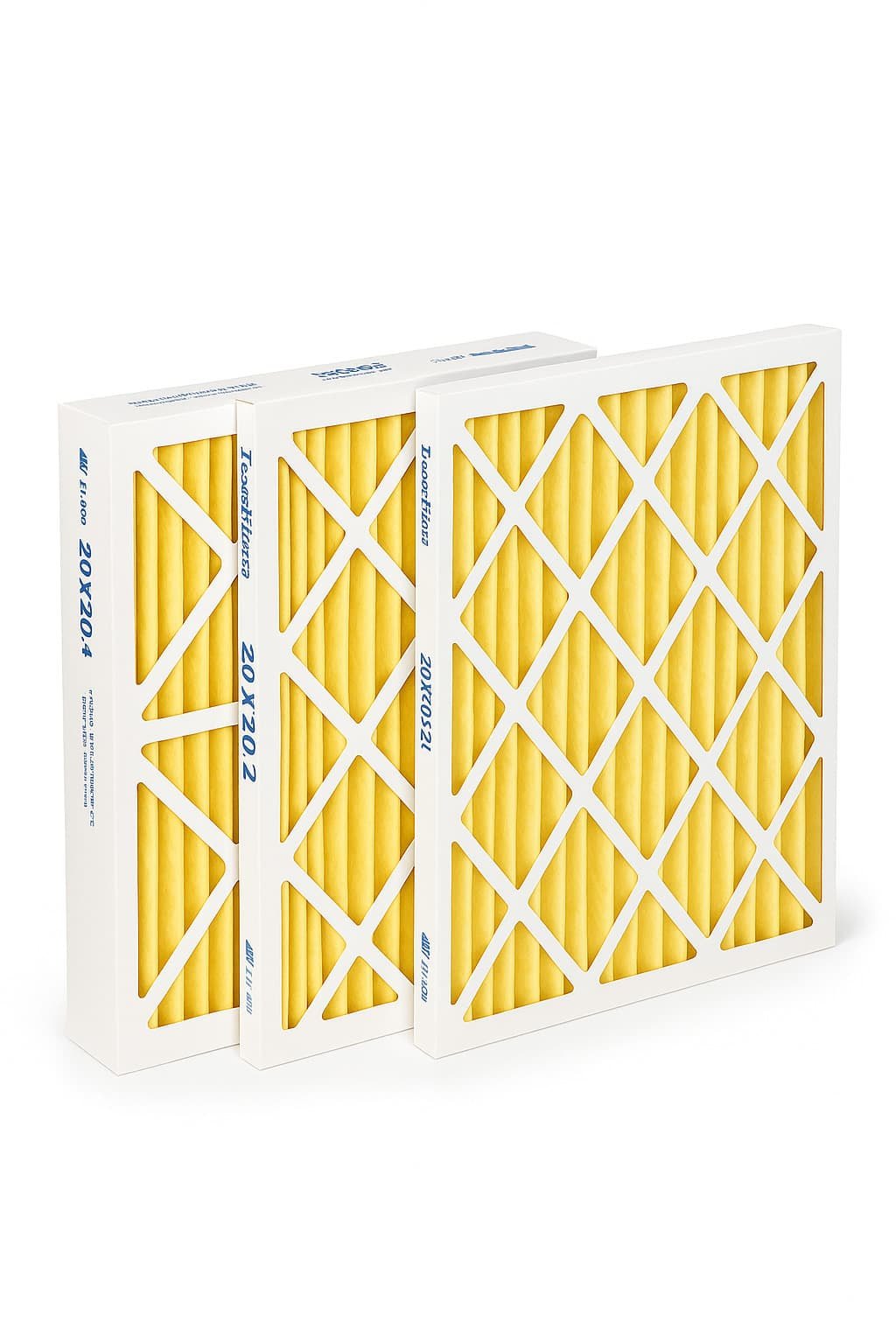
A pleated air filter has folded material inside. This helps catch more dust and pollen. It gives you cleaner air to breathe. These filters use paper, cotton, polyester, or synthetic media. Many homes pick pleated air filters for better air. Cleaner air helps you breathe easier. This filter blocks more particles each time you use it.
In 2023, pleated air filters were 32.8% of HVAC filters in North America.
Pleated fiberglass filters have a bumpy pattern. They use polyester or cloth for stronger filtration.
Key Takeaways
Pleated air filters catch more dust and allergens. This helps make the air inside cleaner. This is very good for people with allergies or asthma.
These filters last longer than non-pleated ones. You do not have to change them as often. This helps you save money over time.
It is important to take care of your filters. Change pleated filters every 60 to 90 days. If you have pets or allergies, change them every month. This keeps them working well.
How Do Pleated Air Filters Work?
Pleated air filters work by using a series of folded materials, usually made from polyester or cotton, to trap airborne particles. These pleats increase the filter’s surface area, enhancing its ability to capture dust, pollen, and other contaminants from the air passing through HVAC systems.
Pleated Filter Construction
Pleated filters have folds like an accordion. These folds are packed close together in the frame. The folds give the filter more surface area. This helps the filter catch more particles than flat filters. Your air at home gets more protection. Most pleated filters use synthetic media, polyester, cotton, or paper. These materials help trap dust, pollen, and pet dander. Standard pleated filters have about 10 pleats in each foot. High-capacity filters can have up to 16 pleats per foot. More pleats mean the filter holds more dust. It lasts longer before you need to change it.
Pleated filters last longer than non-pleated filters. They keep more particles inside and work better. Non-pleated filters, like fiberglass, cost less. They do not catch as many particles. You need to change them more often.
Pleated filters work well in places with lots of moisture. Their materials do not let mold grow easily. This keeps your air clean. Standard filters can get wet and let mold or bacteria grow. Pleated filters help stop this problem.
Filtration Efficiency
You want a filter that makes your air cleaner. Pleated filters trap many kinds of particles. Their folds help catch dust, pollen, mold spores, and pet dander. This gives you cleaner air. Clean air is important if you have allergies or asthma. The EPA says pleated filters are good for homes with allergy or asthma problems. They trap allergens like dust mites and pollen.
Pleated filters have a merv rating. This shows how well they trap particles. Most pleated filters for homes have a merv rating from 1 to 8. The merv rating tells you how well the filter catches tiny particles. Filters with a merv rating of 5 to 8 are common in homes. These filters can catch up to 85% or more of dust, pollen, and pet dander. You get better filtration and cleaner air.
Pleated filters hold more dust than flat filters because they have more surface area.
They catch particles as small as 0.3 microns, which helps your air.
The design means you do not need to change filters as often, so your HVAC system stays cleaner.
Impact on HVAC Performance
Pleated filters make your air cleaner. They also change how your HVAC system works. The thick material and extra folds slow down the air. This is called resistance. Resistance is measured in inches of water column (IWC). For example, pleated filters have a pressure drop of about 0.2 IWC. Fiberglass filters drop only 0.08 IWC.
When air goes through the filter, it slows down because of resistance. If your HVAC system is not made for high resistance, you may get less airflow.
Filter Type | Pressure Drop (IWC) |
|---|---|
Fiberglass Filter | 0.08 |
Pleated Filter | 0.2 |
Electrostatic Filter | 0.12 to 0.35 |
Pleated filters clean the air better, but they can use more energy. The table below shows how different filters change energy use:
Filter Type | Airflow Restriction | Energy Consumption Impact |
|---|---|---|
Pleated Filters | High | Increases energy consumption |
Non-Pleated Filters | Low | Decreases energy consumption |
If you use pleated filters, you get cleaner air and better filtration. You should check if your HVAC system can handle the extra resistance. Ducts that are not made well can have high pressure. This can change how your system works. Most HVAC systems are made for 0.5 IWC, but some can work at higher pressures. You want to balance clean air and good system performance.
Pleated filters help keep your HVAC system clean by trapping more dust and particles. This helps your system last longer. You get fewer clogs and less buildup inside your ducts and equipment. Your air quality at home gets better.
What Are the Pros and Cons of Pleated Air Filters?
Pleated air filters have many good points for your home. They help you get cleaner air and a healthier space. These filters use folded material to trap more dust and pollen. The pleated design gives the filter more surface area. This means it can catch smaller things like pet dander and mold spores. You will notice fewer allergy problems and less dust at home.

Pleated filters last longer than basic fiberglass filters. You do not need to change them as often. This saves you time and money. The benefits of pleated filters are:
Superior filtration efficiency. You catch more airborne particles, which helps homes with pets or allergies.
Longer lifespan. You replace pleated filters less often, so they save money for your hvac air filters.
Less clogging. The filter holds more dust before you need to change it.
Better airflow. The pleated design keeps airflow steady while trapping more dirt.
Improved indoor air quality. You breathe easier and feel better at home.
Pleated filters work better than non-pleated filters. They have more surface area to trap airborne particles. This makes them great for homes with pets or lots of people.
Disadvantages
You should know about the downsides of pleated air filters. These filters cost more than non-pleated ones. You pay extra for better filtration and longer life. The thick material can slow down airflow. This may make your HVAC system work harder. Your energy bills can go up if your system is not made for high resistance.
Some disadvantages are:
Higher maintenance needs. You must replace hvac filters often to keep your system working well.
Increased airflow resistance. The filter can slow air movement, which may hurt system performance.
Replacement frequency. If you have pets or allergies, you may need to change the filter more often.
Environmental impact. Pleated filters are not biodegradable and can add to landfill waste if not thrown away right.
Pleated Air Filter vs. Non-Pleated Filters
You may wonder how pleated filters compare to non-pleated filters like fiberglass. The main differences are filtration, lifespan, cost, and maintenance. Pleated filters trap smaller particles and last longer. Non-pleated filters cost less but need to be replaced more often.
Feature | Pleated Filters (Four Seasons) | Non-Pleated Filters |
|---|---|---|
Service Life | Standard lifespan | |
Dust Holding Capacity | 4X the capacity | Standard capacity |
Media Surface Area | 4X the surface area | Standard area |
Energy Bill Savings | Up to 10% savings | None |
Filter Type | Particle Size Filtered | Lifespan | Cost Range | Airflow Impact | Maintenance Frequency |
|---|---|---|---|---|---|
Fiberglass | > 10 microns | ~30 days | $1 – $5 | Good | High |
Pleated | 1.0 – 10 microns | Up to 90 days | $5 – $15 | Restricted | Low |
Fiberglass filters are cheap, but you need to change them every month.
Pleated filters cost more, but you change them less and get better filtration.
Pleated filters keep airflow steady and trap more particles, which helps your HVAC system last longer.
Fiberglass filters need to be replaced often. Pleated filters last longer and need fewer replacements each year.
Replacement & Maintenance
You should check your filter often to keep your HVAC system working well. Most pleated air filters need to be replaced every 90 days for best air quality. If you have pets or allergies, you may need to change them every month. High-efficiency filters can clog faster and need more changes.
Comparison Factor | Pleated Filters | Non-Pleated Filters |
|---|---|---|
Lifespan | Lasts 1–3 months | |
Maintenance Frequency | Less frequent, but still requires checks | Needs more frequent replacement |
Regular maintenance helps your system run smoothly. Clean filters let air move better and lower energy use. You protect your HVAC system from dust and dirt, which helps it last longer. Monthly filter changes cost less than $100 each year. A full HVAC replacement can cost thousands.
Replace pleated air filters every 90 days.
Change filters every month if you have pets or allergies.
Watch for signs like higher energy bills or poor airflow.
Put used filters in a disposal bag to keep dust in.
Take filters to a recycling center if you can.
Pleated filters are like the goldilocks of HVAC filters. They are not too tight, not too simple, just right for most homes.
You get the benefits of pleated filters when you follow a regular maintenance plan. This keeps your air clean and your HVAC system working well.
You get improved air filtration and better air quality with pleated air filters. These filters trap more dust and pollen, helping your health and indoor air quality. When you choose a filter for home heating and cooling systems, check the MERV rating, size, and lifespan.
Replace filters every 60–90 days for best results.
Pleated filters offer a simple way to boost air quality in your home.
FAQ
How often should you replace a pleated air filter?
You should replace your pleated air filter every 60 to 90 days. If you have pets or allergies, check and change it every month.
Can you clean and reuse pleated air filters?
You cannot clean and reuse pleated air filters. These filters trap dust and pollen. You must replace them to keep your air clean.
What MERV rating should you choose for your home?
Home Type | Recommended MERV Rating |
|---|---|
Standard Home | 5–8 |
Allergy Concerns | 8–11 |
Choose a higher rating for better filtration.