
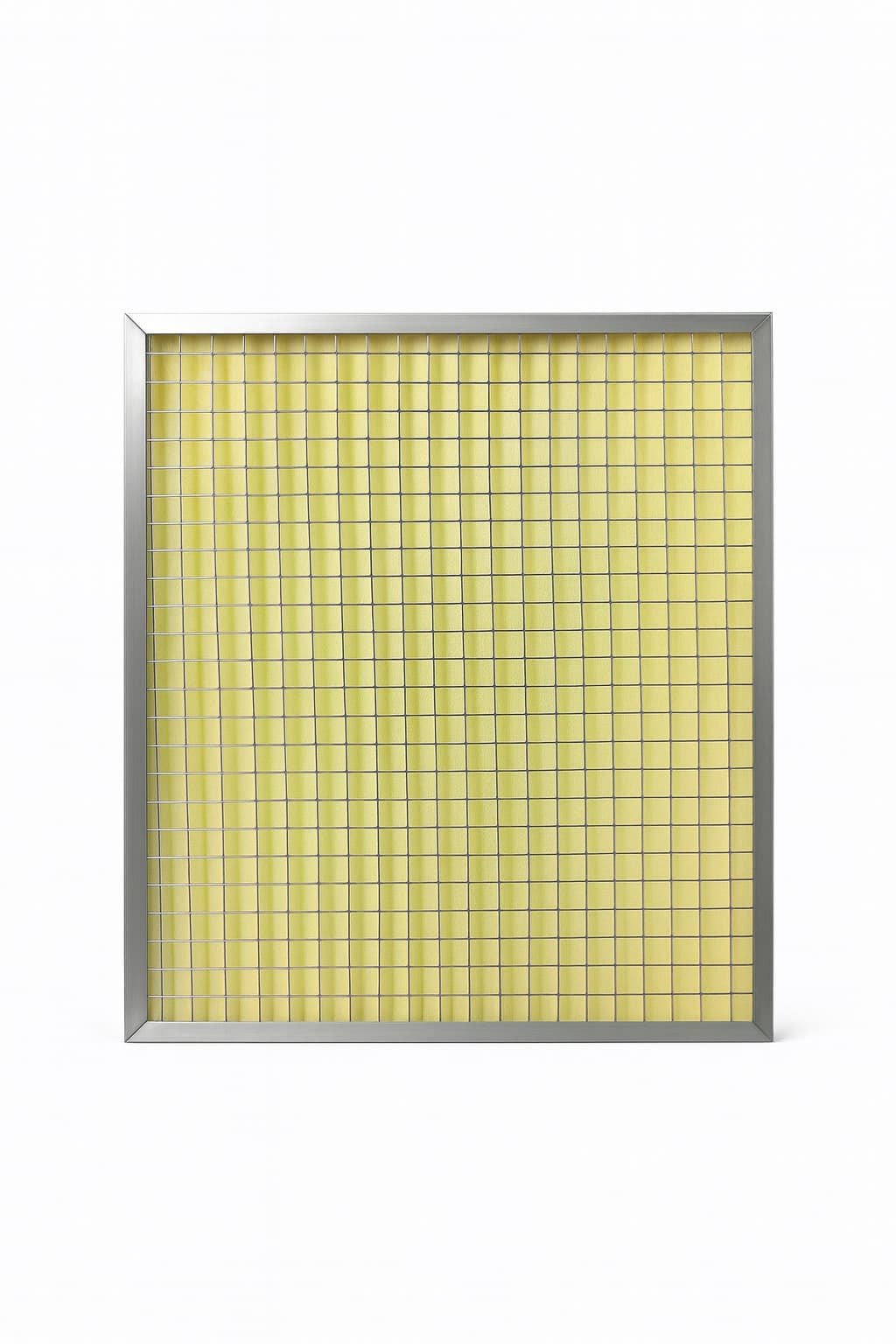
A pleated pre filter is the first step in cleaning air. You use it to catch big things like dust and pollen. These things get trapped before they reach the main filter. This helps keep your HVAC system safe. It also makes the air better to breathe. The pleated shape gives more space to filter air. It also helps air move easily. You get better results than with flat filters. Look at the table below to see how well they work:
Filter Type | Particle Capture Rate |
|---|---|
Merv 10 | 90% |
Merv 13 | 98% |
Some people think pleated filters block air or hurt systems. But new filters keep air moving well. They also help your system last longer.
Key Takeaways
Pleated pre-filters trap big things like dust and pollen. This helps make the air cleaner and keeps your main filter safe.
Using pleated pre-filters helps your HVAC system last longer. It does this by making the main filter work less. This can help you save money.
Check and change your pleated pre-filters often. Do this every one to three months. This keeps the air moving well and helps your system work better.
The pleated design gives more space to catch things. This means it cleans better than flat filters.
Pick the right pleated pre-filter for your HVAC system. This helps keep your air clean and your energy bills lower.
What Is the Role of Pre-Filters in a Filtration System?
Pre-filters play a crucial role in a filtration system by removing large particles and debris before the primary filtration process. This initial step helps extend the life of the main filter by preventing clogging and reducing the load on subsequent filtration stages.

Purpose of a Pleated Pre Filter
You need a pre-filter in your air system because it acts as the first line of defense. The main job of a pleated pre filter is to capture large particles before they reach the primary filter. When you use a pre-filter, you remove large particles like dust, dirt, hair, and dander from the air. This step keeps your air cleaner and helps your system work better.
A pleated pre filter uses a special design with folds. These folds give the filter more surface area. With more area, the filter can trap more dirt and last longer. You will notice that the role of pre-filters is to stop big things from getting to the main filter. This makes the whole system more efficient.
Pleated panel filters are utilized as pre-filters to capture larger particles, thereby protecting and extending the life of more expensive final filters, which is essential for maintaining compliance with indoor air quality regulations.
You can see the importance of pre-filters in many places. They help you meet air quality rules and keep your air safe to breathe.
How Pleated Pre Filters Protect Main Filters
When you use a pre-filter, you protect the main filter from getting clogged too soon. The role of pre-filters is to catch the big stuff first. This means the primary filter can focus on smaller, harder-to-catch particles. You get better air quality and your filters last longer.
Here is how a pre-filter helps your system:
You capture large particles before they reach the main filter.
You remove large particles that would otherwise block the primary filter.
You protect the main filter and help it last longer.
You save money because you do not need to replace the main filter as often.
Studies show that pre-filters capture larger particles like dust and hair. This allows the main filter to focus on smaller pollutants, which helps in prolonging its lifespan.
Pre-Filter Grade | Effect on Main Filter Life | Pressure Drop Increase |
|---|---|---|
G4 | Extends service life | Slows down |
F7–F9, H10, H11 | Varies by grade | Slows down |
Industry data shows that some pleated pre-filters, like the MEGApleat M9, last three to four times longer than standard pleated filters. Other filters, such as the PREpleat M11 HC and PREpleat M11 SC, are two to three times more efficient at capturing small particles than standard MERV 8 pleated filters. This helps extend the life of downstream filters.
The role of pre-filters is clear. You use them to protect the main filter, capture large particles, and remove large particles from the air. When you use a pre-filter, you make your whole system work better and last longer.
How Do Pleated Pre-Filters Work?
Pleated pre-filters function by capturing large airborne particles, such as dust and pollen, before they reach the primary filter. This extends the lifespan and efficiency of the main filtration system. The pleated design increases the filter’s surface area, enhancing its particle-holding capacity without restricting air flow.
Pleated Design and Material
When you look at pleated air filters, you notice the folded design. These folds give the pre-filter a much larger surface area compared to flat filters. You get more space for air to pass through and more area to trap particles. The pleated air filters use materials like organic fibers and charged melt-blown polypropylene microfibers. These materials help the filter catch dust and pollen. The way the fibers are arranged and the thickness of the filter matter a lot. Some pleated air filters use special structures, like PTFE membranes, to trap even smaller particles. The design and material of the pre-filter decide how well it works and how long it lasts.
You get better filtration and longer life when you choose pleated air filters with high-quality materials and smart design.
The manufacturing process also affects how well the pre-filter performs. When you use pleated air filters, you benefit from the increased filtration area. This means you trap more dirt and keep your air cleaner.
Filtration Process in Pleated Air Filters
You might wonder how pleated air filters actually clean the air. The process happens in steps. When air flows through the pre-filter, particles like dust, pollen, and debris get trapped by different methods. Here is a simple table to show you how pleated air filters work:
Mechanism | Description |
|---|---|
Interception | Particles move with air and stick to the filter fibers. |
Impaction | Big particles hit the fibers and get stuck. |
Diffusion | Tiny particles bounce around and touch fibers, so they get trapped. |
You use a pre-filter to catch the big stuff first. The pleated air filters grab particles as air moves through the folds. The increased surface area lets the filter hold more dust before you need to change it. You get better air quality and less work for your main filter. The pleated air filter also helps your HVAC system run smoothly because it does not block airflow.
Tip: You should check your pre-filter often to make sure it is not full of dust. Clean filters keep your air fresh and your system working well.
Pleated air filters give you strong protection against dust and pollen. You get cleaner air and a longer-lasting system when you use a good pre-filter.
What Are the Benefits of Using Pleated Pre-Filters?
Pleated pre-filters offer several key benefits that make them an essential component in HVAC systems. They improve air quality by capturing larger particles like dust and pollen, extend the lifespan of primary filters, and enhance overall system efficiency by reducing energy consumption.

Enhanced Filtration Efficiency
You want clean air in your house or building. Pleated air filters help you get cleaner air. The pleated design gives the filter more space to catch dust and pollen. It also traps tiny things like pet dander. Every time air moves through, the filter works well. If you have allergies or trouble breathing, you will feel the difference. Pleated air filters can catch very small particles, even as tiny as 0.3 microns. This helps make your air better. Using a pleated pre filter helps your filter work better and keeps your space healthier.
Feature | Pleated Filters | Rigid Pocket Pre-Filters |
|---|---|---|
High | Moderate | |
Air Quality Improvement | Significant | Limited |
Energy Savings | Yes | No |
Longer Filter Life and Cost Savings
You save money and time with pleated air filters. These filters last longer than regular ones. They can hold more dirt before you need to change them. You do not have to replace them as often, so you do less work. The pre-filter catches big particles first. This keeps the main filter cleaner and helps it last longer. You also spend less money on fixing or replacing filters. Pleated air filters help you pay less for energy because they keep air moving well.
Pleated air filters help your HVAC system last longer.
They use less energy by keeping air moving.
You spend less money on fixing and taking care of your system.
Improved HVAC Performance
When you use pleated air filters as a pre-filter, your system works better. The filter stops big particles from getting to the main filter. This means your HVAC system does not have to work as hard. Your system runs better and does not break down as much. You will need fewer repairs and your system will not stop working as often. Clean filters help your system use less energy, so you save money. Pleated air filters keep your air clean and your system strong.
Tip: Check and change your pre-filter often to keep your HVAC system working well.
Benefit | Impact on System |
|---|---|
Prevents particle buildup | Extends equipment life |
Maintains steady airflow | Reduces repair needs |
Keeps main filter cleaner | Lowers downtime |
Using pre-filters gives you better air, longer filter life, and saves you money. It also helps your system work better. Choosing pleated air filters is a smart choice for your health and your money.
Where Are Pleated Air Filters Most Commonly Used?
Pleated air filters are most commonly used in residential HVAC systems to improve indoor air quality by trapping dust, pollen, and other airborne particles. They are also frequently utilized in commercial buildings and industrial settings due to their durability and efficiency.

Residential Applications
Many homes use pleated air filters. These filters help keep indoor air clean. When you put a pre-filter in your HVAC system, it traps dust, pollen, and pet hair. This stops these things from reaching the main filter. Your main filter stays cleaner and works better. You might see less dust on your furniture. You may also have fewer allergy problems. Pleated air filters fit in most home heating and cooling systems. You can use them in central air units, furnaces, and window AC units. Some pre-filters are best for homes with pets or people with allergies. Using the right pre-filter gives you better air and a system that lasts longer.
Tip: Change your pleated air filters every few months. This keeps your air fresh and your system working well.
You find pleated air filters in apartments, houses, and condos. These filters help make your home healthier for your family. You also save money because your main filter lasts longer.
Commercial and Industrial Uses
Pleated air filters are important in many businesses and factories. You need a strong pre-filter to protect machines and keep air safe for workers and visitors. These filters trap large particles and stop the main filter from clogging too fast. You see pleated air filters in many places, such as:
Cleanrooms for drug making and research labs
Data centers that need to keep dust away from electronics
Electronics factories, like those making semiconductors and small parts
Food and drink factories that must keep products clean
Big office buildings, malls, and airports
Factories where dust and fumes can hurt machines and people
Labs that work with dangerous materials
You pick pleated air filters because they work well in hard places. These filters help you follow safety rules and keep machines running. Some pre-filters are made for special jobs, like catching tiny dust or handling lots of air. You get better results and spend less money when you use the right pre-filter for your building.
Note: Using pleated air filters in these places helps protect people and machines from harmful particles.
Pleated air filters give strong protection in homes, offices, and factories. You can trust these filters to keep your air clean and your systems safe.
How Do Pleated Air Filters Compare to Other Filter Types?
Pleated air filters generally offer better filtration efficiency, capturing smaller particles than fiberglass and washable filters. They balance cost-effectiveness and performance, making them suitable for most residential HVAC systems.

Pleated vs Non-Pleated Filters
When you pick a filter for your HVAC, you see pleated and non-pleated types. Pleated air filters have folds, which gives them more space to catch dust. This design helps them trap more dirt but still lets air move through. Pleated filters keep more particles and clean the air better. Non-pleated filters are flat, so they cannot hold as much dirt. You will need to change non-pleated filters more often.
Pleated air filters last longer than non-pleated ones. You can use pleated filters for three to six months. Non-pleated filters need changing every one to three months. In one year, non-pleated filters can cost you over $60. Pleated air filters cost about $30 to $45 for the same time. You save money and do less work with pleated filters.
Pleated air filters are also better for the environment. Many pleated filters use polypropylene, which is strong and can be recycled. This means less trash goes to landfills than with cotton or polyester filters.
Non-pleated filters need to be changed more often.
Pleated air filters help you save money and make less waste.
You get cleaner air and filters last longer.
If you switch from a low-efficiency pre-filter to a pleated filter, your HVAC can use up to 34% less energy.
Pre Filters vs Main Filters
A pre-filter is the first filter in your air system. The pre-filter catches big things like dust, hair, and pet dander. This keeps the main filter, which is behind the pre-filter, safe. The main filter, also called the fine filter, catches smaller things like pollen, smoke, and bacteria.
Here is a table to show the differences:
Feature | Pre-Filter | Primary Filter |
|---|---|---|
Particle Size Captured | Larger particles (dust, hair, pet dander) | Smaller particles (pollen, smoke, bacteria) |
Role in Filtration | First stage, captures big particles | Second stage, captures tiny particles |
Efficiency | Less efficient for small particles | Highly efficient for small particles |
Material | Foam, polyester, or metal mesh | Finer materials like pleated paper |
Maintenance | Needs more frequent changes | Needs less frequent changes |
Pleated air filters work well as pre-filters because they catch particles about 5 microns or bigger. They are good for homes and factories with lots of air moving. The main filter catches the smallest particles, so your air gets even cleaner.
“Filter efficiency” means how well a filter catches particles in one try. “Filter effectiveness” means how well the whole system cleans the air in your space.
When you use both a pre-filter and a main filter, you get the cleanest air and protect your HVAC system.
Maintenance for Pleated Pre Filters
Taking care of your pleated pre filters keeps your air clean and your HVAC system running well. You need to know when to replace your filters and what signs to look for. Good maintenance and replacement of pre-filters help you avoid problems like poor air quality and high energy bills.

Replacement Guidelines
You should follow the manufacturer’s advice for changing pleated pre filters. Most HVAC experts suggest replacing your filter every one to four months, depending on the type and thickness. Use the table below to see the recommended intervals:
Filter Type | Replacement Interval |
|---|---|
1″ or 4″ Pleated | Every 1-3 months |
1″ or 4″ Pleated | Every 1-2 months |
4″ Pleated | Every 2-4 months |
If you have pets, allergies, or live in a dusty area, you may need to change your filter more often. Regular replacement keeps your system working smoothly and helps you breathe easier.
Tip: Set a reminder on your phone or calendar so you never forget to check your filter.
Signs a Filter Needs Changing
You can spot when your pleated pre filter needs to be replaced by watching for these signs:
Increased noise when the unit is running shows the filter may be clogged.
Visible dirt and debris on the filter means it is full.
Reduced airflow from the vents signals the filter is blocking air.
Lingering odors in your home suggest the filter is no longer working well.
If you ignore these signs, you risk more than just dirty air. Clogged filters can cause your HVAC system to work harder, use more energy, and even break down. You might notice more sneezing, headaches, or breathing problems. In some cases, blocked filters can freeze your air conditioner coils, leading to expensive repairs.
Keeping your filters clean protects your health and saves you money.
You want your home or business to have clean air quality and a strong HVAC system. A pleated pre filter helps you reach this goal. It traps large particles, protects your main filter, and keeps your system running well. Studies show that using the right pre-filter lowers energy costs, extends filter life, and improves air quality.
Pre-filters reduce strain on HVAC systems.
They help maintain healthy indoor air.
You save money with fewer filter changes.
Study Description | PM2.5 Levels Before | PM2.5 Levels After |
|---|---|---|
House 1 | Above 10 μg/m³ | Below 10 μg/m³ |
Choose the best filter for your needs to enjoy better air and lower costs.
FAQ
How often should you change a pleated pre filter?
You should check your pleated pre filter every month. Replace it every one to three months. If you have pets or allergies, change it more often for best air quality.
Can you clean and reuse a pleated pre filter?
You cannot wash or reuse most pleated pre filters. These filters trap dust deep inside the folds. Always replace them with a new one for safe and clean air.
Do pleated pre filters fit all HVAC systems?
Most pleated pre filters come in standard sizes. You should check your system’s manual or measure your old filter. Pick the right size for a good fit and best performance.
Will a pleated pre filter reduce airflow in your system?
A clean pleated pre filter will not block airflow. The pleated design lets air move easily. If the filter gets dirty, it can slow airflow. Change it often to keep your system strong.
What particles does a pleated pre filter capture?
A pleated pre filter traps large particles like dust, hair, and pollen. It helps keep your main filter clean. You get better air quality and a longer-lasting HVAC system.