
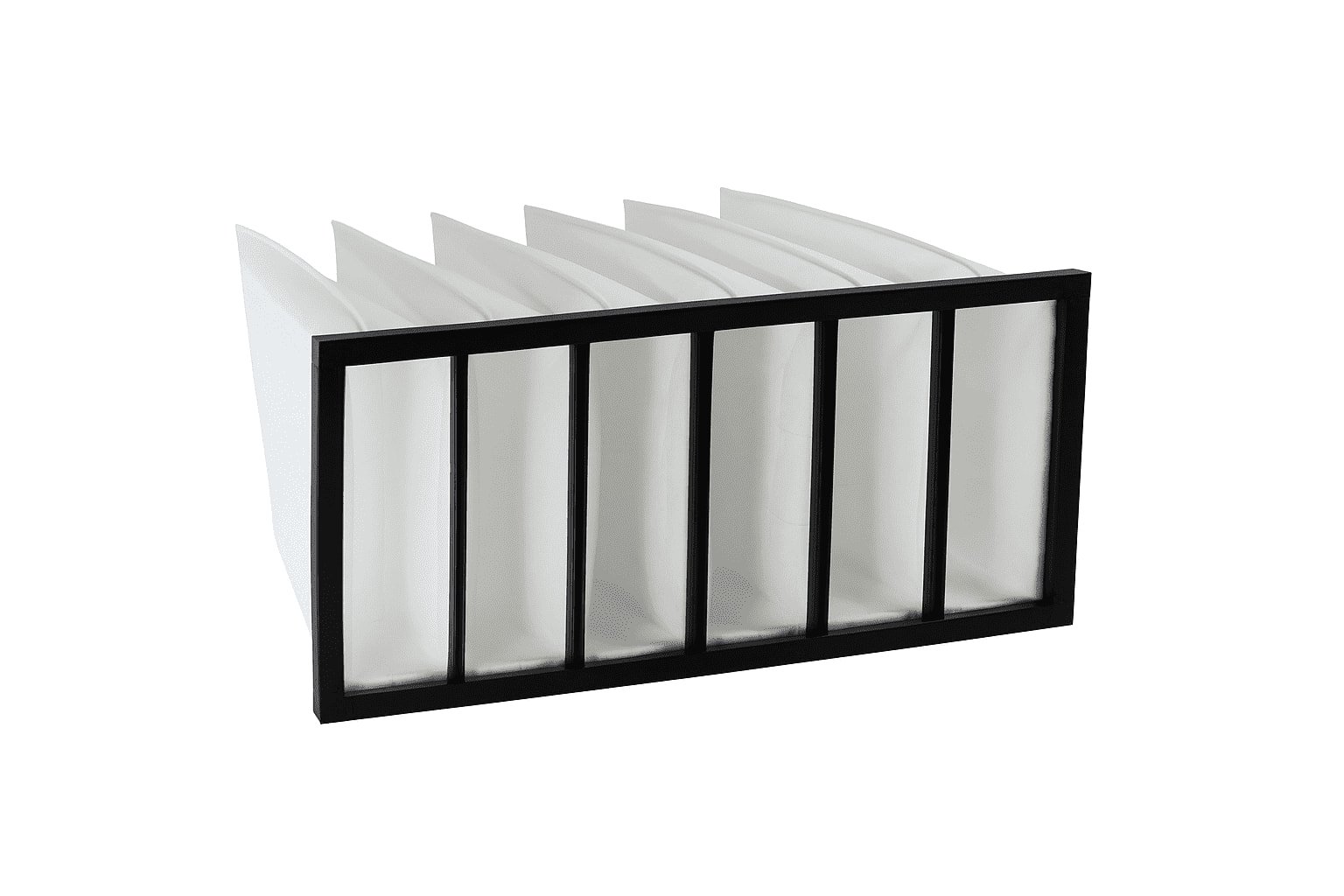
You see a clear difference when you choose a Coarse Filter over other air filters. This filter catches large dust and debris before they reach your system. You spend less money because it costs less and lasts longer in basic settings. If you want to protect equipment or need simple air cleaning, this option gives you strong value.
Key Takeaways
Coarse filters are cheap and last a long time. They are good for simple air cleaning. They help protect HVAC systems.
These filters trap big things like dust and lint. This stops finer filters from getting blocked. It also helps make the air cleaner.
Coarse filters are simple to take care of. You can wash them and use them again. This means less trash and saves money.
If you need very clean air, use medium or high-efficiency filters too. Using them with coarse filters gives better results.
Always pick the filter that fits your needs. Coarse filters are good for easy jobs. Other filters are better for cleaner air.
What Is a Coarse Filter and How Does It Work?
A coarse filter is a device used to remove larger particles from liquids and gases. It operates by allowing the fluid to pass through a porous material or mesh, which traps particles of a specific size or larger, such as dirt, debris, or rust.
Key features of coarse filters
Coarse filters are used where there is a lot of dust and debris. They are good at catching big things like lint and hair. People use them before finer filters to stop clogs. These filters are sorted by standards like ISO Coarse or G1-G4.
They catch less than half of PM10 particles, which are between 0.3 and 10 micrometers.
Their job is measured by how well they trap dust.
If a filter is called Coarse 75%, it will stop more than 75% of big particles.
Using these filters helps make the air inside cleaner by removing bigger things.
Coarse filters can be made from synthetic fiber rolls, paint stop glass fiber, polyurethane foam, or metal frames. These materials help the filter stay strong and work in many places.
How coarse filters work
When air moves through a coarse filter, the filter catches big particles. This is called sieving. Other ways, like interception and inertial separation, also help catch dust.
Sieving blocks big dust and debris.
Interception grabs dust that touches the filter fibers.
Inertial separation stops big particles from moving with the air.
You can check the table below to see how well coarse filters work:
Particle Size (µm) | Filtration Efficiency (%) | PM2.5 Collecting Amount (g/m²) |
|---|---|---|
0.3–10 | 131 |
ISO 16890 classification
ISO 16890 is used to sort filters by how well they catch different sizes of dust. Coarse filters are called ISO Coarse if they catch less than half of PM10 particles. The table below shows how ISO 16890 groups filters:
Filter Type | Performance Criteria |
|---|---|
ISO ePM1 | ePM1 min ≥ 50% |
ISO ePM2.5 | ePM2.5 min ≥ 50% |
ISO ePM10 | ePM10 ≥ 50% |
ISO Coarse | ePM10 ≤ 50% |
Tip: Pick a coarse filter if you want to protect your HVAC system and make the air better, but you do not need very high filtration.
What Are the Different Types of Air Filters?
Air filters come in various types, each designed to remove specific contaminants from the air. The most common types include HEPA filters, activated carbon filters, UV filters, and electrostatic filters. Understanding the differences can help you choose the right filter for your needs.

Medium and high-efficiency filters
There are many air filters used in HVAC systems. Each filter type is good for certain jobs. Medium efficiency filters catch particles from 1 to 5 microns. These filters are used in hospitals and food factories. You should change them every 6 to 12 months. High-efficiency filters, like HEPA filters, catch even smaller particles. They trap things smaller than 0.5 microns. These filters remove over 99% of tiny things in the air. You find them in labs and cleanrooms. You need to replace these filters every 1 to 2 years.
Here is a table that compares different air filters:
Type of Filter | Description | Efficiency Rating (MERV) | Reusability |
|---|---|---|---|
Mechanical Air Filters | Use synthetic fibers to trap small particles. | 1 to 16 | No |
Fiberglass Filters | Budget-friendly but low efficiency for small particles. | Low | No |
Pleated Filters | More efficient than fiberglass, with increased surface area. | Medium | No |
Washable Filters | Can be reused, reducing waste and cost. | Varies | Yes |
Electrostatic Filters | Use an electrostatic charge to capture particles, can be disposable or washable. | Varies | Yes/No |
HEPA Filters | Extremely efficient, removing up to 99.97% of airborne contaminants. | High | No |
Comparison of filtration levels
It is important to know how well each filter works. Coarse filters catch big particles. Medium and high-efficiency filters catch much smaller ones. The chart below shows the smallest particle each filter can catch:

Medium filters remove 60% to 95% of particles from 1 to 5 microns. High-efficiency filters, like HEPA, remove at least 99.97% of particles as small as 0.3 microns. You get cleaner air with higher-rated filters.
Common applications
You see different air filters in many places. Coarse filters are used first in HVAC systems to block dust. Medium filters clean air in offices and schools. High-efficiency filters keep labs and surgery rooms safe from tiny things.
HEPA filters are made with very thin layers. They meet strict rules and work best in clean places.
You pick the right air filter for your needs. Coarse filters are good for basic jobs. For cleaner air, use medium or high-efficiency filters.
How Do Coarse Filters Differ from Other Types of Filters?
Coarse filters are designed to capture large particles and debris, distinguishing them from other filters which target smaller particulates. Typically used as a preliminary filtration step, these filters protect finer filters and equipment from damage and clogging.

Functional differences
Coarse filters and other filters work in different ways. Coarse filters catch big things like dust and lint. People use them first in HVAC systems. They stop large stuff from getting to important equipment. Fiberglass filters also catch big things, but not small dust. Metal mesh filters last a long time and you can wash them. But they do not catch tiny dust.
Coarse filters block big particles and help finer filters.
Fiberglass filters are cheap and light, but only catch big stuff.
Metal mesh filters are strong and washable, but miss small dust.
You pick a coarse filter to block big debris and keep your system safe. Other filters, like HEPA or pleated filters, remove tiny particles. These are used where the air must be very clean.
Cost and efficiency
Coarse filters save you money in simple places. They cost less than high-efficiency filters. You do not need to change them often. Coarse filters do not catch small dust well, but they work for big debris. High-efficiency filters, like HEPA, cost more and need more changes. They work better for tiny particles.
Filter Type | Energy Consumption Impact |
|---|---|
High-Efficiency | Small impact on energy use |
Low-Efficiency (Fiberglass) | Uses more energy than high-efficiency filters |
About half of a building’s energy goes to HVAC. Air filters use about 16% of the power bill. Some filters use three times more energy than others. The air quality can still be the same. You need to think about cost, how well it filters, and energy use when you pick a filter.
Tip: To save money and energy, use a coarse filter in dusty places.
Use in HVAC and cleanrooms
You see coarse filters in many HVAC systems. They are used first to catch big particles before the air goes to finer filters. This keeps the system working longer. You find coarse filters in air units, paint booths, and spray booths. They help keep the air clean and stop fibers from getting out.
Coarse filters are the first step in cleanrooms.
They catch dust and lint, so finer filters do not clog.
You use them in air conditioning and spray booths for better results.
Coarse filters hold a lot of dust and do not let fibers go into the air.
Cleanrooms need coarse filters as pre-filters. These filters are called G1–G4 by EN 779 and ISO Coarse by ISO 16890. They catch big particles and protect the finer filters that keep air very clean.
Filter Type | Classification | Role |
|---|---|---|
Coarse Filters | G1–G4 (EN 779) / ISO Coarse (ISO 16890) | Catch big particles to protect finer filters |
You pick a coarse filter to protect your HVAC or meet cleanroom rules. If you need very clean air, you add medium or high-efficiency filters after the coarse filter. This setup works well and keeps your air system strong.
What are the pros and cons of coarse filters?
Coarse filters offer the advantage of removing large particles and debris from liquids or gases, preventing damage to downstream equipment. However, they may not capture smaller contaminants, requiring additional filtration stages for complete purification.

Advantages of coarse filters
Coarse filters give you many good things. They help you save money and keep your equipment safe.
You can wash coarse filters and use them again. This makes them better for the environment.
You do not need to clean or change them often. They do not clog quickly.
Coarse filters trap allergens and irritants early.
You get high airflow because big pores let air move easily.
You spend less on fixing and changing them, so they save money.
Coarse filters catch big particles and protect finer filters from clogging.
Your HVAC system works better with coarse filters. The table below shows how coarse filters help your equipment last longer:
Feature | Benefit |
|---|---|
Uses less energy, so your system works better. | |
Extended lifespan | Does not clog fast, so you use it longer. |
Quieter operation | Makes your system run more quietly. |
Limitations of coarse filters
Coarse filters have some problems. They cannot catch very small particles, especially ones smaller than 300 nanometers. The ASHRAE Standard 52.2-2017 does not test for these tiny particles. This means coarse filters do not protect you from ultrafine dust that can hurt your health.
You see these problems in places where clean air is very important. For example, during sickness outbreaks, missing small particles can cause bad health choices. Coarse filters give less information, which can affect public health.
Coarse filters do not work for ultrafine particles.
You need other filters for very clean air in hospitals or labs.
Pros and cons of other filters
Other filters work in different ways and cost more or less. You might pick pleated, HEPA, or electrostatic filters for better cleaning. These filters catch smaller particles and make air cleaner, but they cost more and need more care.
Filter Type | Cost Range | Replacement Frequency | Efficiency Impact |
|---|---|---|---|
Fiberglass Filters | $1-3 | Change every 30-60 days | Low efficiency, clogs fast |
Pleated Filters | $8-25 | Change every 90 days | Higher efficiency, lasts longer |
HEPA Filters | $20-100 | Change every 6-12 months | Very high efficiency, good for allergies |
Electrostatic Filters | $20-50 | Clean every 1-3 months | Good efficiency, you can reuse it |

High-efficiency filters clog faster and need more checks. These filters can wear out equipment and may not fit all systems. You pay more at first for strong filters, but you get cleaner air.
Tip: Pick the filter that fits your needs. Coarse filters are best for simple jobs and low cost. Use other filters if you want better cleaning and cleaner air.
Coarse filters are good for catching big particles. They help protect your equipment in simple ways. Other filters catch smaller things in the air. These filters cost more money. You should think about what you need before picking a filter. Also, check how much you want to spend. Coarse filters work well for easy jobs. High-efficiency filters are better for places needing clean air. Always choose a filter that fits your space and needs. This helps you get the best results.
FAQ
What is the main difference between coarse filters and pleated filters?
You use coarse filters to trap large dust and debris. Pleated filters catch smaller particles and offer higher efficiency. You often choose pleated filters for better indoor air quality. Coarse filters work best as a first step in your air system.
When should you use bag filters or rigid filters?
You use bag filters in places with lots of dust. Bag filters hold more dirt and last longer. Rigid filters work well in systems with high airflow. You pick rigid filters for strong performance and stable shape, even when airflow changes.
How do HEPA filters and ULPA filters compare?
HEPA filters remove at least 99.97% of tiny particles. ULPA filters trap even smaller particles, reaching 99.999% efficiency. You use HEPA filters in hospitals and labs. You choose ULPA filters for cleanrooms where you need the highest air purity.
Can you reuse filters like bag filters or rigid filters?
You can reuse some bag filters and rigid filters if you clean them well. Most filters, like pleated filters, are disposable. Always check the filter type and follow the manufacturer’s advice before reusing any filters.
Why do you need so many types of filters in one system?
You use different filters to catch all sizes of particles. Coarse filters trap big debris. Pleated filters and bag filters catch medium dust. Rigid filters and ULPA filters remove the smallest particles. This setup protects your equipment and keeps your air clean.