
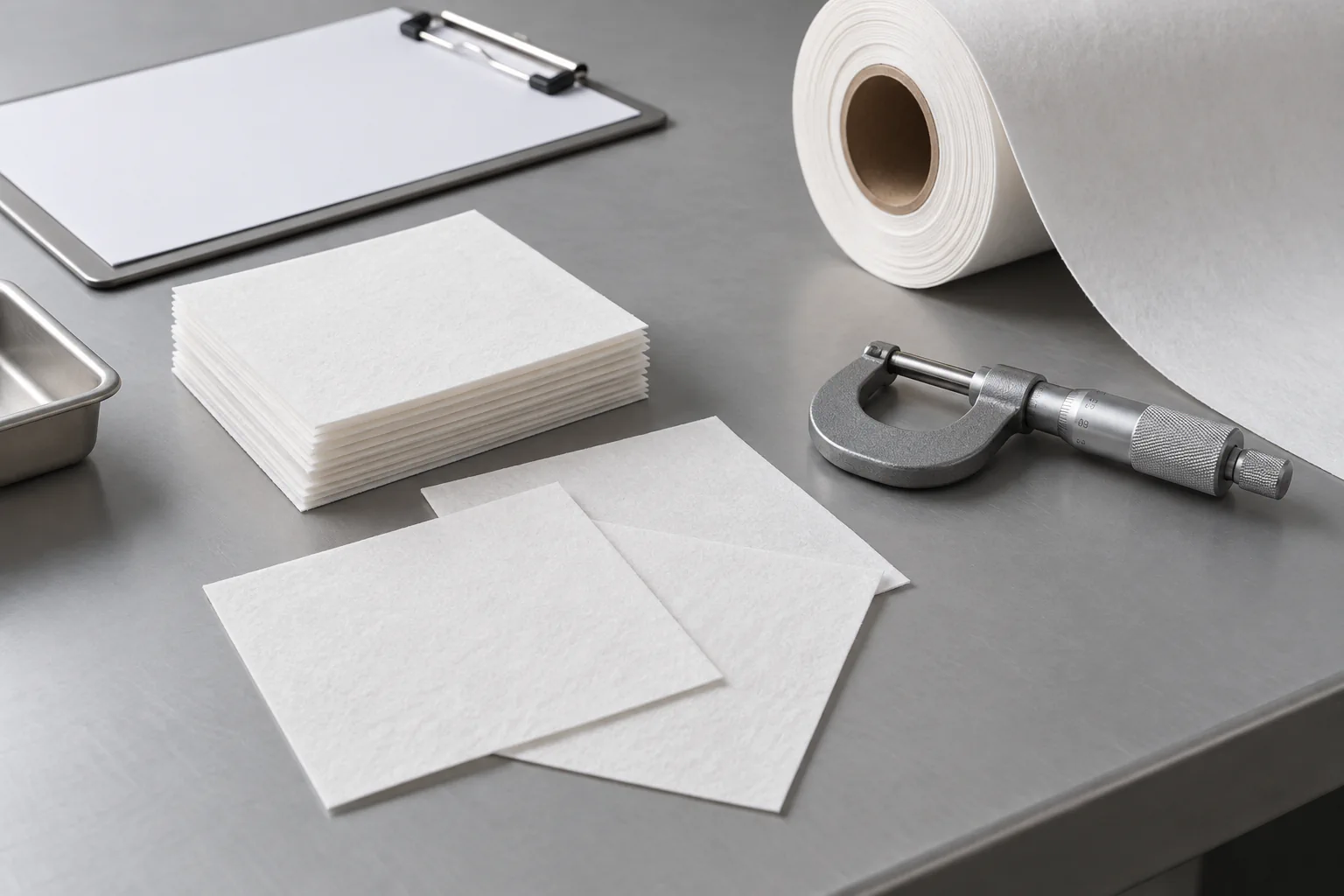
Oil Filter Paper Manufacturer for Hydraulic and Lubrication Filters
We manufacture glass fiber composite oil filter paper for particle control in hydraulic oil, lubricants, fuels and process liquids. Our FSA, FSB and FSC grades combine defined filtration ratings, air permeability and reinforced media construction, with custom roll dimensions and property development available for your filter design.
FSA, FSB and FSC grades · MD tensile strength ≥2.5 kN/m · Custom media development
Choose an Oil Filter Paper Series
Start with the required particle-control specification, then compare permeability and the constraints of the finished element.
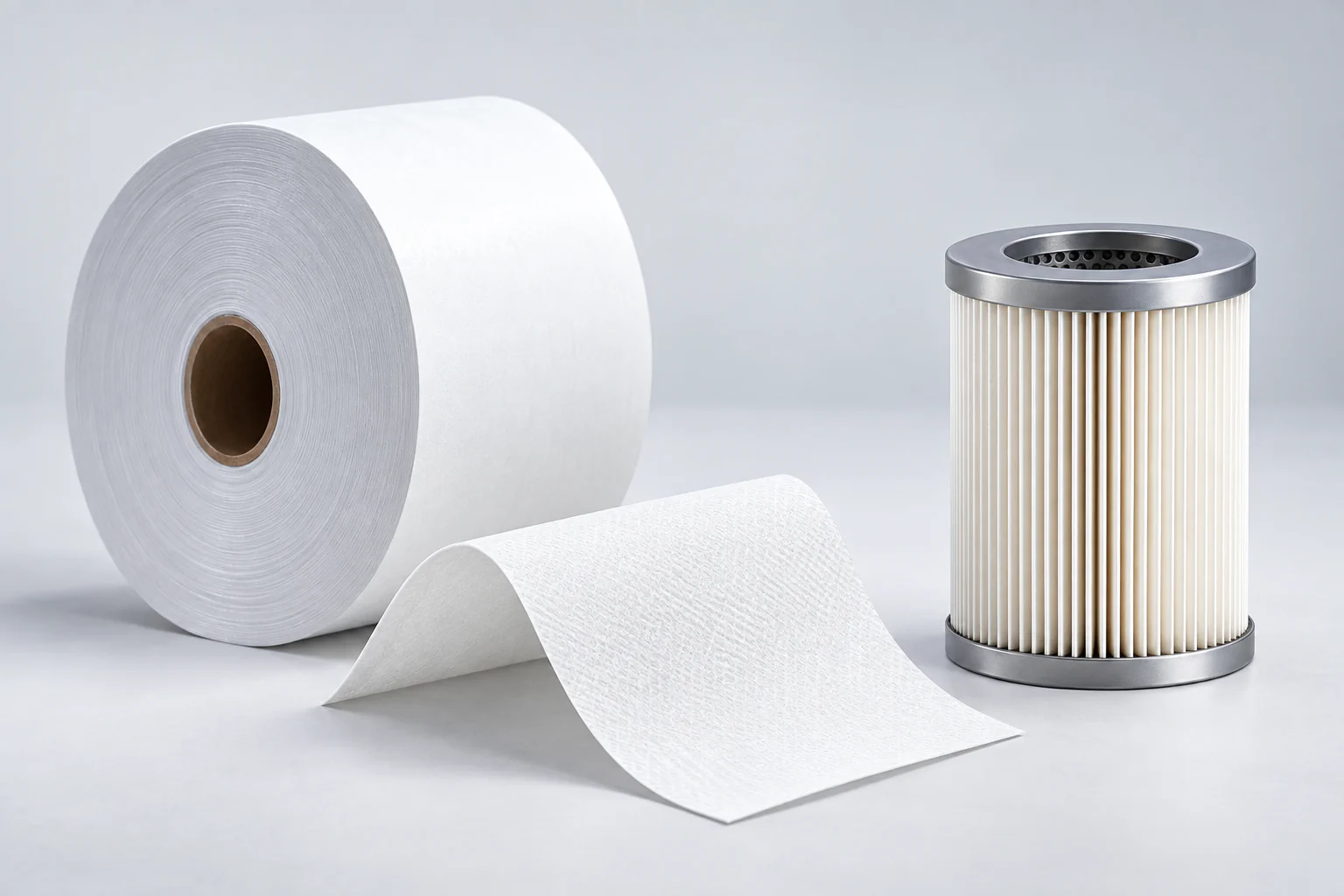
FSA Series for Fine Particle Filtration
Our named FSA grades include FSA261T, FSA461T and FSA861T, with filtration ratings of 1.2±0.2, 3±0.5 and 10±2 μm. Each uses a thickness of 0.57±0.03 mm and a basis weight of 145±5 g/m². This series is a starting point for fine-particle filter development where the complete element must meet a defined cleanliness target.
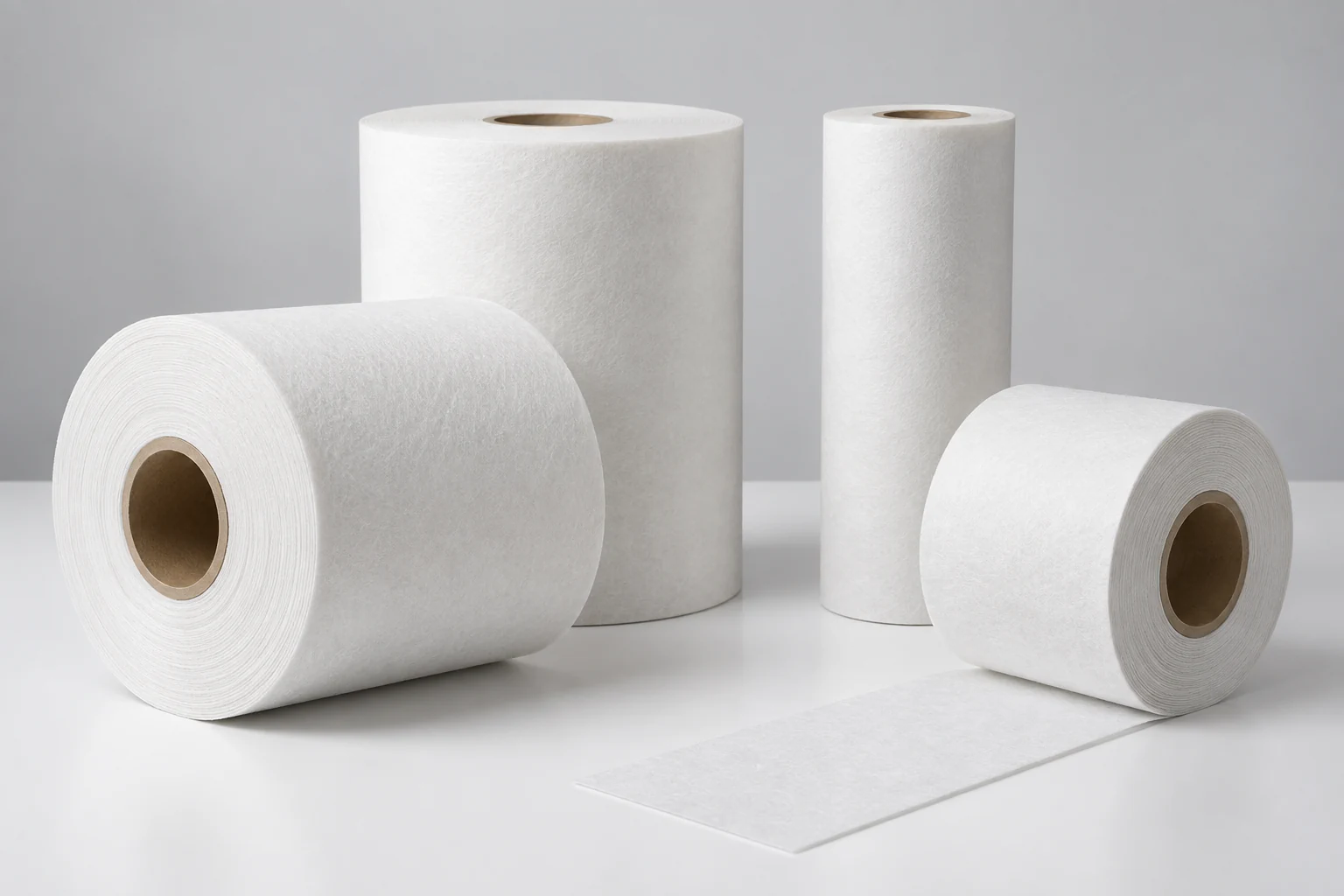
FSB Series for Intermediate Filtration Ratings
FSB261T, FSB461T, FSB661T and FSB861T cover filtration ratings of 15±2, 20±2, 25±2 and 30±2.5 μm. Air-permeability limits increase across the series, providing options for balancing particle control with media openness in industrial oil-filter designs.
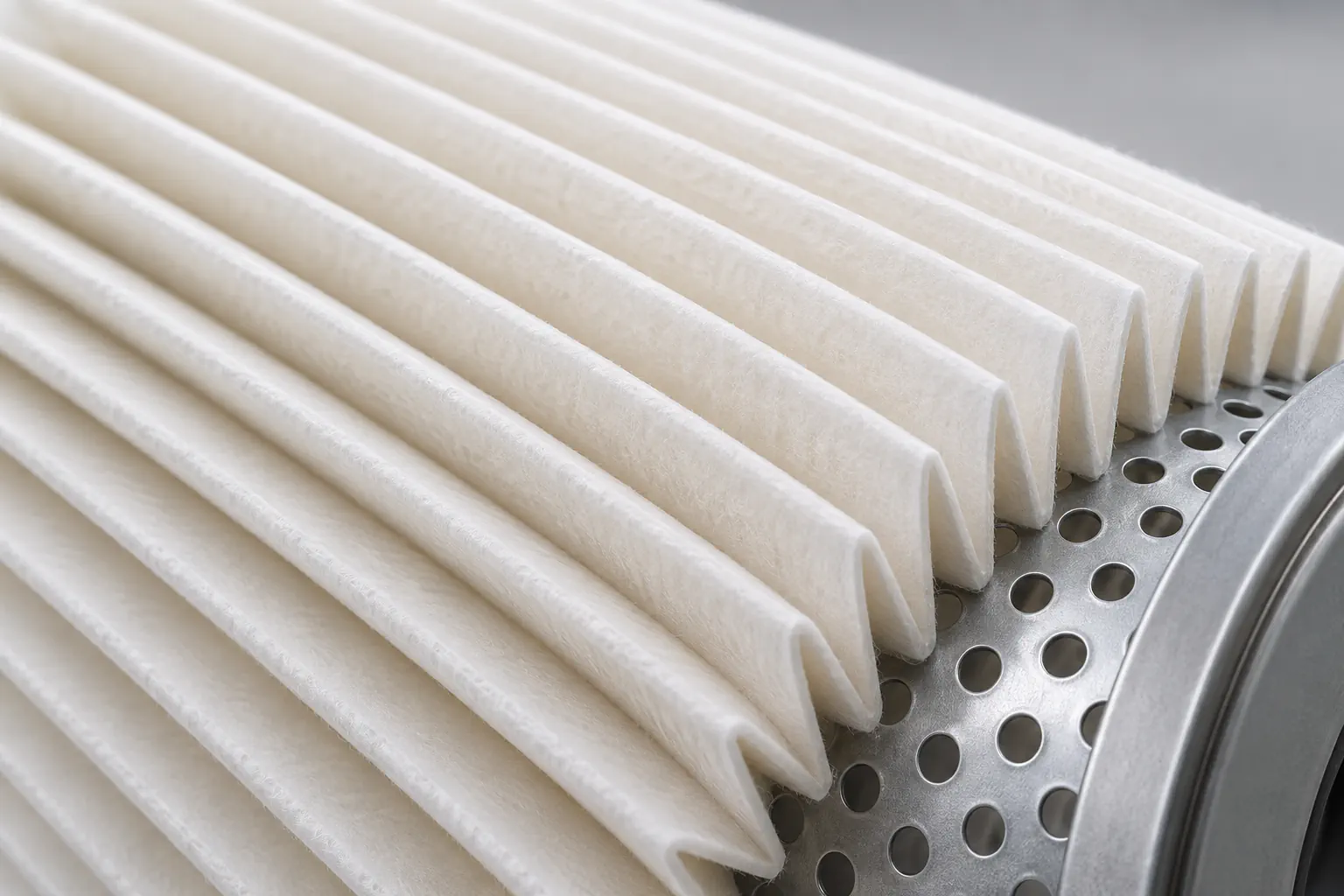
FSC Series for Coarser Filtration Designs
FSC261T and FSC461T have filtration ratings of 40±4 and 50±4 μm; FSC661T is specified at ≥60 μm. Air permeability reaches 900–1300 L/(m²·s) at 200 Pa for FSC661T. Evaluate these grades when coarser particle control and a more open media structure suit the system specification.
Oil Filter Paper Specifications
All listed grades use glass fiber composite construction. Thickness is measured at 100 kPa; air permeability is measured with air at a pressure difference of 200 Pa.
| Model | Thickness at 100 kPa (mm) | Basis weight (g/m²) | Tensile strength MD (kN/m) | Tensile strength CD (kN/m) | Filtration rating (μm) | Air permeability at 200 Pa (L/(m²·s)) |
|---|---|---|---|---|---|---|
| FSA261T | 0.57±0.03 | 145±5 | ≥2.5 | ≥1.5 | 1.2±0.2 | ≥25 |
| FSA461T | 0.57±0.03 | 145±5 | ≥2.5 | ≥1.5 | 3±0.5 | ≥60 |
| FSA861T | 0.57±0.03 | 145±5 | ≥2.5 | ≥1.5 | 10±2 | ≥200 |
| FSB261T | 0.57±0.03 | 145±5 | ≥2.5 | ≥1.5 | 15±2 | ≥250 |
| FSB461T | 0.57±0.03 | 145±5 | ≥2.5 | ≥1.5 | 20±2 | ≥300 |
| FSB661T | 0.57±0.03 | 145±5 | ≥2.5 | ≥1.5 | 25±2 | ≥450 |
| FSB861T | 0.60±0.03 | 145±5 | ≥2.5 | ≥1.5 | 30±2.5 | ≥500 |
| FSC261T | 0.60±0.05 | 145±5 | ≥2.5 | ≥1.5 | 40±4 | ≥680 |
| FSC461T | 0.60±0.05 | 150±8 | ≥2.5 | ≥1.5 | 50±4 | ≥800 |
| FSC661T | 0.60±0.10 | 150±10 | ≥2.5 | ≥1.5 | ≥60 | 900–1300 |
Filtration ratings are media specifications. Nominal or absolute classification and the associated efficiency test must be agreed for the application. Air permeability does not specify liquid flow, liquid pressure drop or finished-element pressure resistance.

Filter Media Manufacturing and Test Support
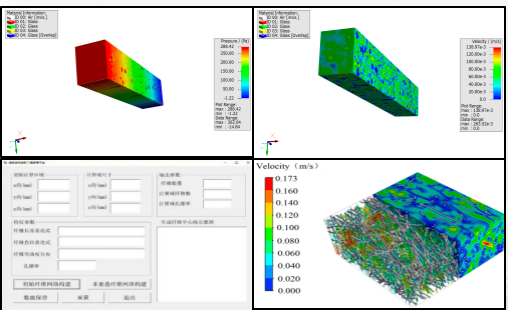
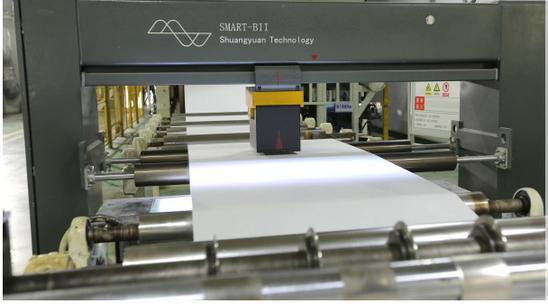
ClearFilter combines an in-house filter media production line with a professional filtration R&D laboratory. The team can evaluate media properties, microstructure and filtration performance, and can coordinate laboratory trials, pilot evaluation and batch production for application-specific development.
Incoming glass fiber, binder and additive checks
Process and thickness monitoring
Media property and filtration testing
Batch outgoing test report or COA for agreed inspection items
Define the required test method, acceptance values and report fields during technical review so that repeat orders can be compared on the same basis.
Composite Construction for Filtration and Converting
Controlled Bonding
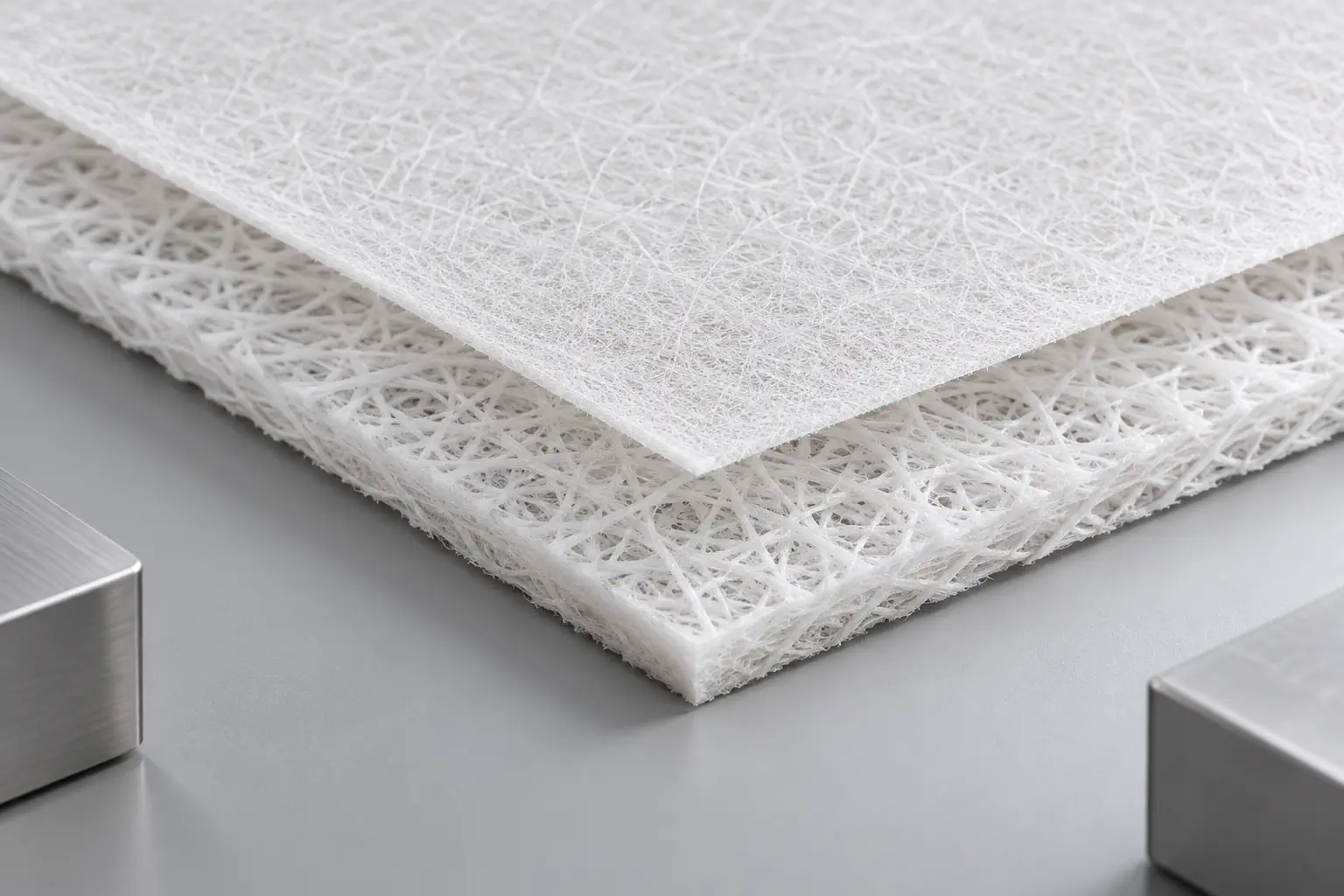
We combine glass fiber filter media with nonwoven reinforcement using controlled adhesive application. The process is designed to support bonding while limiting unnecessary obstruction of the media structure.
Depth Filtration Structure
Our gradient construction distributes particle capture through the depth of the medium. Fiber selection and web formation provide a basis for adjusting filtration properties during application-specific development.

Strength in Both Directions
Every grade in the table specifies MD tensile strength of at least 2.5 kN/m and CD tensile strength of at least 1.5 kN/m. These values support roll handling and converting evaluation alongside the pleat design, backing and element support structure.
A Defined Starting Point for Repeat Orders
Model-level thickness, basis weight and air-permeability values help keep material selection and incoming inspection aligned. Our batch reports can include thickness, basis weight, air permeability and key pore data agreed for the order.
Match the Media to the Fluid and Element Design
| Design issue | What matters | How our range supports the review |
|---|---|---|
| Fine contamination reaches sensitive components | Particle size, removal efficiency and the specified cleanliness target | FSA grades provide finer media-rating starting points; complete-element performance determines suitability. |
| Pressure drop rises too quickly | Oil viscosity, temperature, effective area and contamination loading | Compare FSA, FSB and FSC permeability data, then evaluate the element with the intended liquid. |
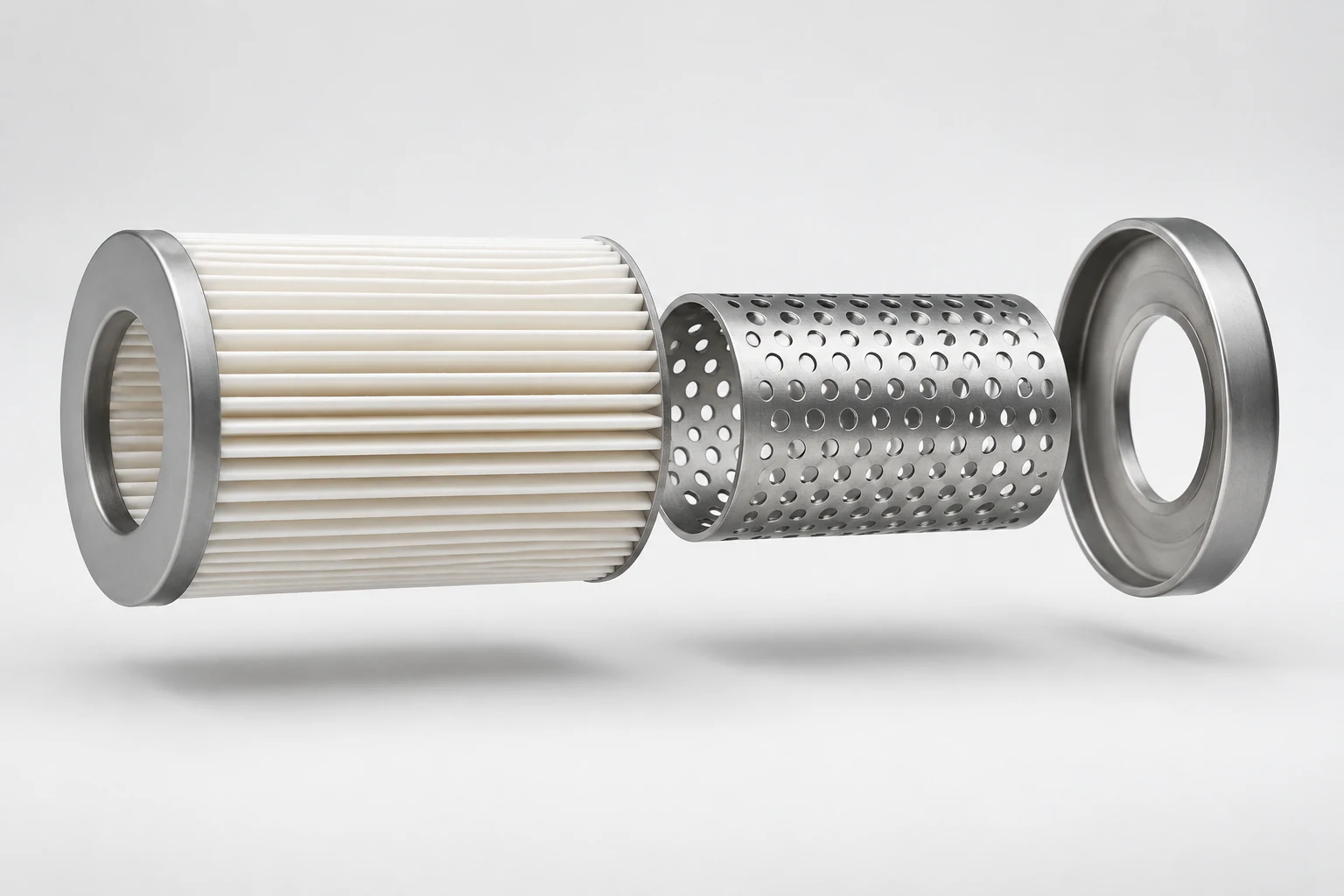
| Pleats bulge or the medium tears | Differential pressure, support structure, bonding and compatibility | Use the MD/CD strength data with converting trials and element-level pressure testing. |
| Material changes affect repeat production | Agreed specifications and consistent test methods | Use our batch test documentation and technical review to keep acceptance criteria explicit. |
A higher air-permeability number indicates a more open air-flow path under the stated test. It does not guarantee higher oil flow in a different fluid, temperature or filter construction.
Industrial Oil and Fuel Filtration Applications
Construction equipment and mobile hydraulics
FSB and FSC grades offer starting points for designs requiring intermediate or coarser particle control. Select the final rating against pump, valve and circuit requirements.
Marine fuel and lubrication systems
FSA and FSB grades can be evaluated for particle removal in fuel and lubricating circuits. Fluid chemistry, viscosity and operating temperature determine the material review.
Power generation and industrial processes
FSB and FSC options support media selection for lubrication, process-liquid and oil-conditioning elements. The required cleanliness level takes precedence over a generic industry recommendation.
Metallurgy and mining
FSB661T, FSB861T and FSC grades offer more open media options for projects with substantial contamination loading. Capacity and service interval are established in the complete element.
Vehicle and precision-equipment filters
FSA and selected FSB grades provide defined material specifications for compact oil and fuel element development. The application approval and element validation remain specific to the equipment.

In-House Media Production and Liquid Filtration R&D
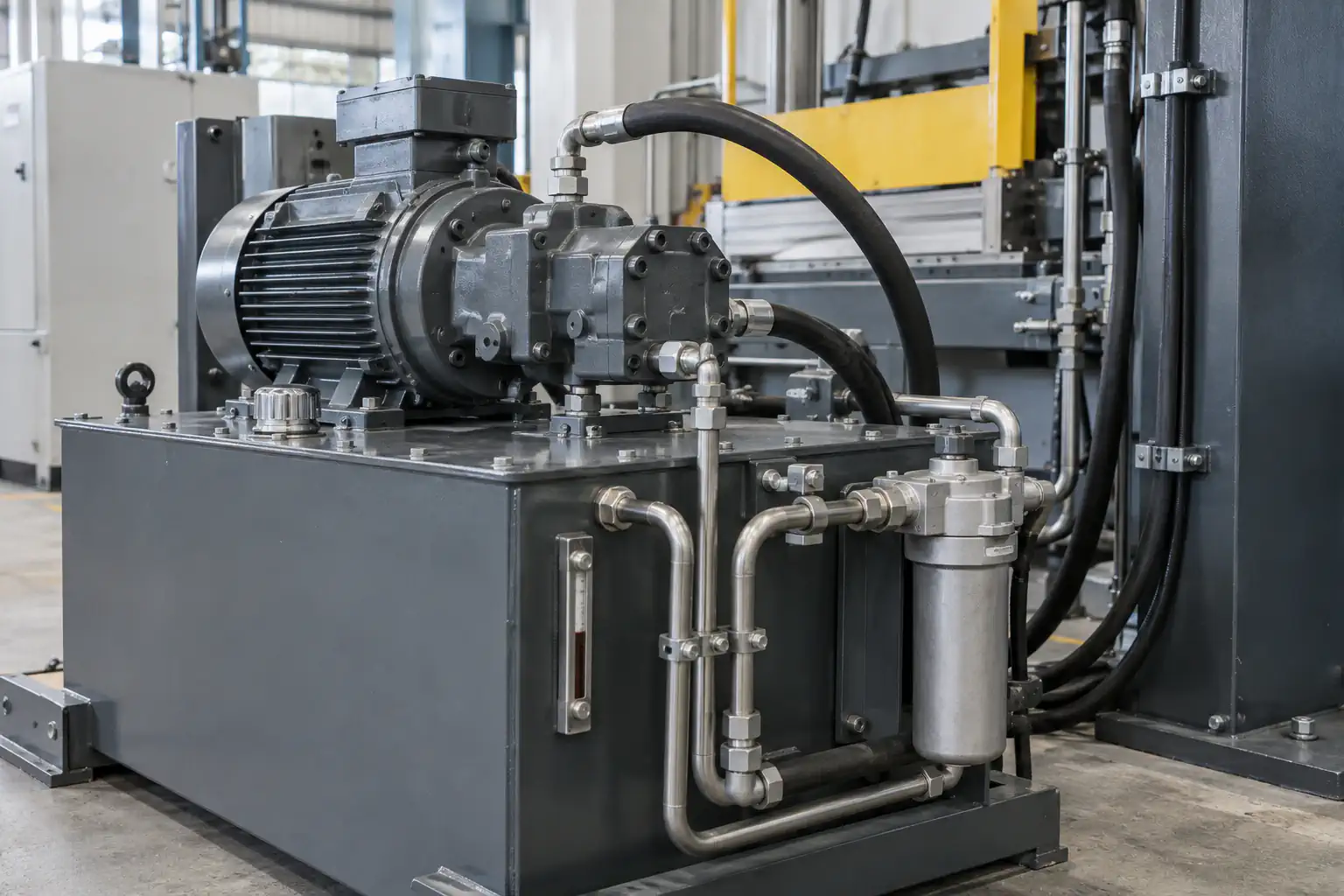
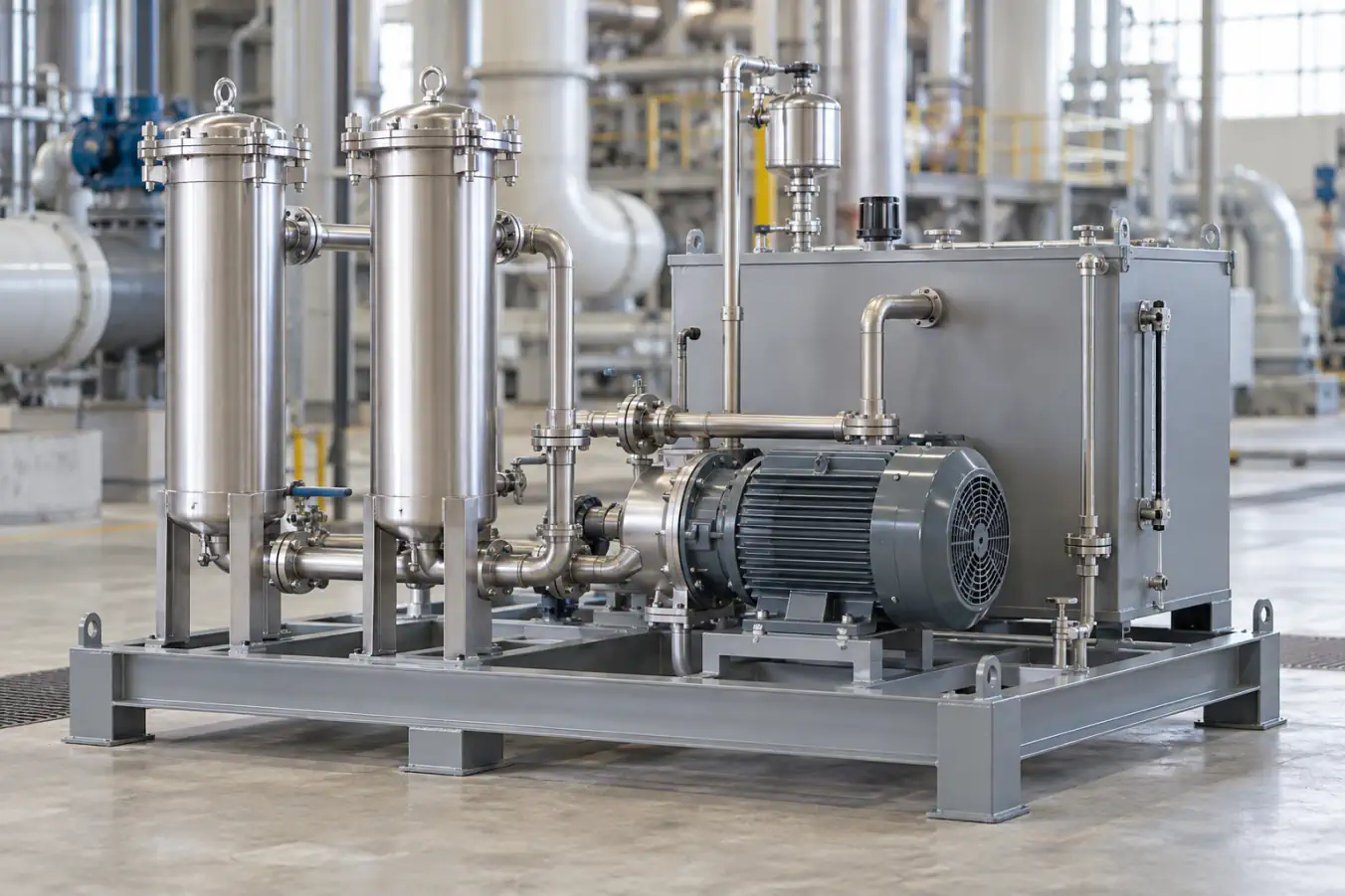
We combine filter media manufacturing with liquid filtration research and testing. Our development capability covers laboratory trials, pilot production and batch manufacture, supported by raw-material checks on glass fibers, binders and additives.
We can review roll width and length, basis weight, thickness, stiffness and application-specific performance requirements. For new designs, the work moves from an agreed specification to media trials, converting evaluation and production acceptance.
Batch COAs can cover the agreed material properties. Samples for customer evaluation and third-party retesting can be arranged as part of the project review.
Oil Filter Paper Selection Questions
Is a micron rating enough to choose the medium?
How should beta-ratio data be interpreted?
Can I calculate oil flow from the air-permeability table?
Can you customize the roll and media properties?
What documents can accompany an order?
What are your trial-order and lead-time options?
Explore Related Oil Filtration Products
Discuss Your Oil Filter Paper Requirements
Send the oil type, particle-control target, element design and roll requirements. We will review a standard grade or a custom development path for your project.