
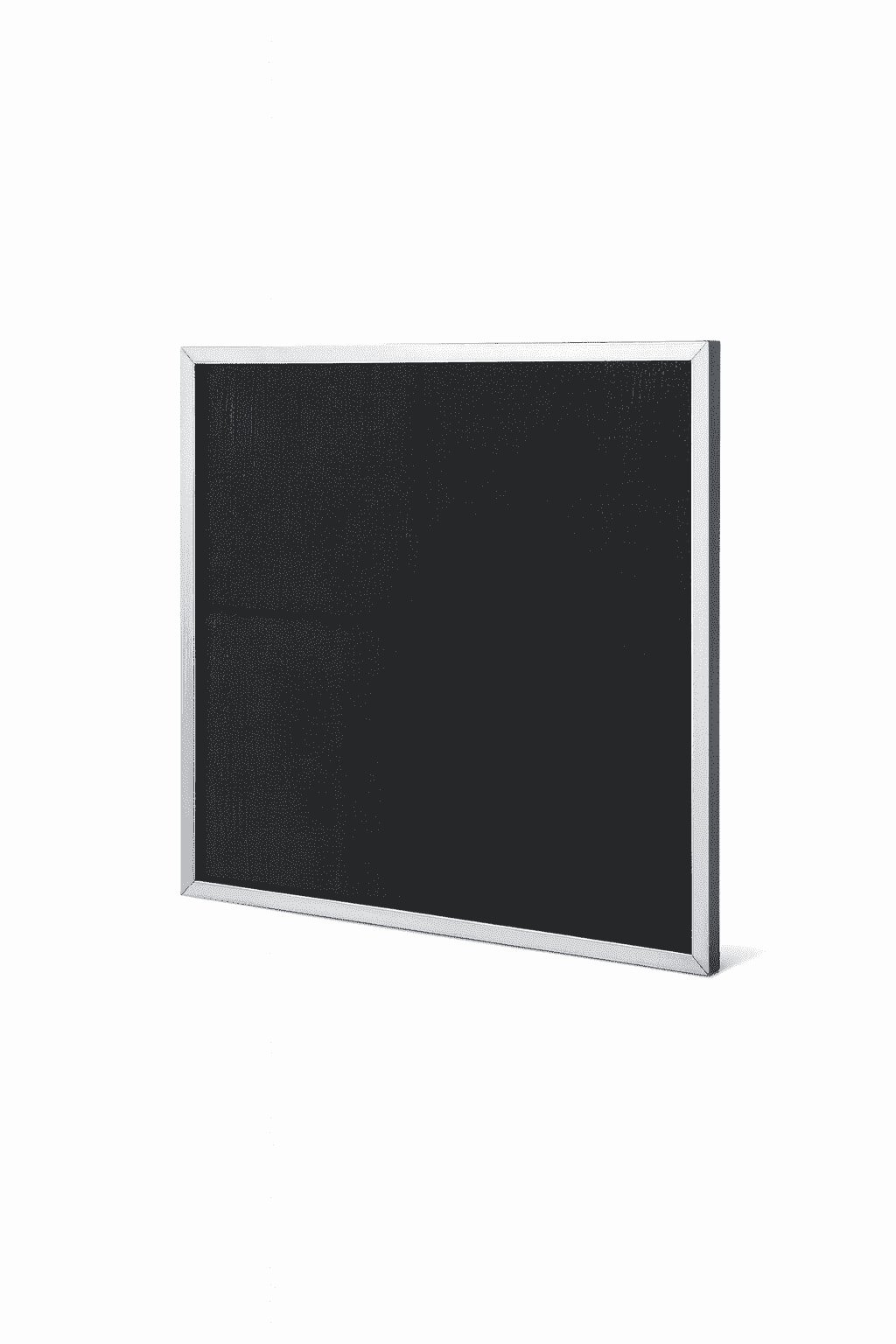
Nylon filter mesh is a strong and dependable material. It helps separate particles from liquids or gases. You can count on it because it does not get damaged by many chemicals. It lasts a long time and works well in hard places. Many businesses use nylon filter mesh for different jobs. These jobs include cleaning water, purifying air, processing oil, and keeping food safe. You can see it in things like Nylon Mesh Air Filter units. These units help make indoor air cleaner. This mesh can handle solvents, acids, and alkalis. It does not break down when used with these substances.
Water filtration keeps drinking water and factory waste safe.
Air filtration traps dust and makes cleanroom air better.
Oil filtration takes out particles from engine and factory oils.
Food and drink filtration helps keep products good.
Pharmaceutical filtration makes sure medicines are safe and pure.
Key Takeaways
Nylon filter mesh is tough and bends easily. This makes it good for many filtering jobs in different industries. – Pick the right mesh size by knowing the smallest thing you want to catch. This helps you get the best results. – Clean the nylon filter mesh often and store it the right way. This helps it last longer and keeps it working well. – Nylon filter mesh is safe for food and drinks if it follows FDA rules. – Check if the mesh can handle the chemicals you will use. This makes sure the mesh will not get damaged.
What Is Nylon Filter Mesh and What Is It Made Of?
Nylon filter mesh is a synthetic screening material used for filtration and separation processes. It is made from nylon, a type of polyamide, which is known for its strength, elasticity, and resistance to abrasion.
Definition And Features
You use nylon filter mesh when you need to separate particles from liquids or gases. This mesh is made from nylon fibers woven together in a grid pattern. The fibers cross at right angles, which helps trap particles and lets fluids pass through. You find nylon filter mesh in many shapes and sizes. Some mesh has large openings for coarse filtration. Other mesh has tiny holes for fine filtration.
Nylon filter mesh stands out because it is strong and flexible. You can bend it without breaking it. It lasts a long time, even when you use it every day. The mesh resists damage from rubbing or scraping. You can clean it easily with water or mild soap. Nylon mesh also works well in high temperatures.
Tip: Choose mesh size based on the particles you want to filter. Smaller mesh counts trap finer particles.
Here is a table showing the main properties of nylon filter mesh:
Property | Description |
|---|---|
Chemical Resistance | Stays strong in harsh chemicals like acids and alkalis. |
Flexibility and Elasticity | Bends and stretches without breaking. |
Abrasion Resistance | Handles friction and wear better than metal mesh. |
Lightweight | Easy to move and install. |
Filtration Efficiency | Traps particles well, even very small ones. |
Cost-Effectiveness | Saves money over time because it lasts longer. |
Ease of Cleaning | Washes clean with water or gentle cleaners. |
Why Nylon Is Used
You choose nylon filter mesh for many reasons. Nylon gives you mechanical strength and flexibility. It does not break down after long use. You find it in many forms, so you can pick the right shape for your job. Nylon mesh resists wear and corrosion. It stands up to heat and does not melt easily. You can select from different mesh counts to match your filtration needs. Nylon works for many fluids and industries. Food makers use it because it meets FDA safety rules.
Here are some features that make nylon filter mesh a smart choice:
Strong and flexible for tough jobs.
Keeps its shape after many uses.
Comes in many shapes and sizes.
Fights off wear and chemical damage.
Handles high temperatures.
Offers different mesh counts for different tasks.
Works for many fluids and industries.
Safe for food and drink processing.
Nylon mesh screens help you collect particles efficiently. The fibers have a uniform size and pattern, so you get reliable results. Nylon leaves little ash behind, which helps in scientific tests. You can use nylon mesh in labs without worrying about interference. This makes nylon a top choice for accurate filtration.
How Does Nylon Filter Mesh Work in Filtration?
Nylon filter mesh works by using its finely woven structure to trap particles while allowing liquids or gases to pass through. This makes it suitable for various applications, including water purification, air filtration, and industrial processes.

Filtration Principles
You use nylon filter mesh to separate unwanted particles from liquids or gases. The mesh acts like a barrier. It lets clean fluid pass through while trapping dirt, dust, or other solids. You can rely on nylon mesh for many jobs because it works with both large and tiny particles. The mesh uses several key mechanisms to filter:
The mesh captures particles as small as a few microns. This helps you remove even the tiniest impurities.
The smooth surface of nylon mesh makes it easy for you to separate and collect filtered particles.
You can use nylon mesh for tasks like collecting cells and algae, analyzing particles, filtering large debris, and pre-filtering solvents.
Nylon mesh also works well in medical settings, such as blood filtration.
Note: High-grade nylon mesh filter bags give you precise filtration for both coarse and fine particles. You can find them in many sizes for different needs.
Mesh Structure
The structure of nylon filter mesh plays a big role in how well it works. You get mesh made from mono-filament PA6 or PA66 yarn. These threads create a uniform grid with exact openings. This design gives you reliable and regular filtration.
Fine mesh structure lets you capture very small particles, sometimes as tiny as a few microns.
The uniformity of the threads ensures that every opening is the same size. This means you get consistent results every time.
Nylon mesh is easy to clean and maintain. This helps you keep your filter working well for a long time.
The material resists chemicals and abrasion, so you can use it in tough environments without losing performance.
A 200 mesh filter, for example, can trap particles as small as 74 microns. Even with such fine openings, you still get a high flow rate. This balance between speed and accuracy makes nylon mesh a top choice for water treatment, food production, and more.
Tip: Choose your mesh size based on the smallest particle you want to remove and the flow rate you need. Finer mesh gives you better filtration but may slow down the flow.
What Types of Nylon Filter Mesh Exist and How Do Micron Ratings Work?
Nylon filter mesh types include monofilament and multifilament, each with varying thread counts and thicknesses. Monofilament mesh consists of single strands, making it ideal for precise filtration, while multifilament mesh has multiple fibers twisted together, offering durability and high flow capacity. Micron ratings define a mesh’s filtration precision, indicating the size of particles the mesh can filter out.

Mesh Sizes And Ratings
You can get nylon filter mesh in many sizes. Each size has a micron rating. This rating shows the smallest particle the mesh can catch. There are two main types of ratings. Nominal micron rating means the mesh catches most particles of that size. Absolute micron rating means the mesh traps almost all particles of that size.
Here is a table to help you see common micron ratings:
Micron Rating | Description |
|---|---|
Nominal Micron Rating | Catches 60-90% of particles of the stated micron size. |
Absolute Micron Rating | Catches 98-99.9% of particles of the stated micron size, so filtration is finer. |
400 Micron | Coarse mesh catches big particles, often used first. |
100 Micron | Used for general filtration, like water and factories. |
50 Micron | Used for finer filtration in water treatment and chemicals. |
5 Micron | Used in oil and gas to protect machines from tiny dirt. |
1 Micron | Used for very fine filtration in medicine and important jobs. |
You can also look at this chart to compare micron ratings:

Tip: Always pick the micron rating that matches the size of the particles you want to remove.
Common Types
You can find nylon filter mesh in many shapes. Each type works best for a certain job. Here are some common uses:
Pool filters and skimmers
Dust collection and separation
Sifting and milling
Fuel and oil filtration in cars and planes
Filtration systems in fridges, dryers, and other machines
Filtering tests in labs
Infusion and transfusion filters in medical work
You should choose the mesh by looking at the type and micron rating.
Uses By Micron Size
Different micron sizes work for different jobs. Coarse mesh, like 400 micron, is good for catching big debris in pools or factories. A 100 micron mesh is used for water filtration and many factory jobs. If you need to catch smaller particles, use a 50 micron mesh for water treatment or chemicals. For oil and gas, a 5 micron mesh keeps machines safe from tiny dirt. When you need very clean results, like in medicine or labs, a 1 micron mesh gives you super fine filtration.
Note: Picking the right micron size helps you get the best results and keeps your equipment safe.
Where Is Nylon Filter Mesh Commonly Used Across Industries?
Nylon filter mesh is used in many industries. It is strong and does not get damaged by chemicals. The mesh works with solvents, acids, and alkalis. You can use it for both big and small particle filtration. Let’s see how different industries use nylon filter mesh.

Food And Beverage
Nylon filter mesh helps keep food and drinks safe. It removes solids from liquids like juice and milk. The mesh is used to make cheese and yogurt by separating parts. Soda and juice companies use it to make drinks clear and taste better.
Filters juice and milk
Used in making cheese and yogurt
Makes sodas and juices clearer
Water Treatment
Water treatment plants use nylon filter mesh. The mesh takes out dirt and organic stuff from water. This makes water look better and safer to drink. Using nylon mesh helps meet safety rules. The mesh can handle strong chemicals and keeps working well.
Medical And Lab
Nylon filter mesh is used in hospitals and labs. It filters medical liquids and stops contamination. You can use it to filter buffers and fluids from living things. The mesh is strong and works with many chemicals. Scientists use it to keep samples clean.
Application Type | Description |
|---|---|
Filtration of medical liquids | Stops contamination and gives good results |
Keeps research areas clean
Manufacturing
Factories use nylon filter mesh for many jobs. The mesh works with many kinds of liquids. You do not need to wet it before use, so you save time. It keeps proteins safe for science and medicine. The mesh can be used in hot processes. Its strong design lets it filter well with little pressure.
Advantage | Description |
|---|---|
Versatility | Works with many liquids in medicine and chemicals |
Simplified Workflow | |
Protein Retention | Keeps proteins safe for science work |
High-Temperature Resistance | Can be used in hot processes |
Operational Efficiency | Filters well with low pressure |
Nylon Mesh Air Filter
You find Nylon Mesh Air Filter units in homes and offices. These filters lower dust and particles in the air. In homes, they cut down particles by 30%. In offices, they lower them by 40%. Workers feel better and miss less work. You can put these filters in to make air cleaner and help people feel good.
Industry | Characteristics |
|---|---|
Healthcare | |
Automotive | Wants new ideas and to save money |
Manufacturing | Needs to follow rules and work well |
Tip: Nylon Mesh Air Filter units help make air better in many places. The mesh does not get ruined by chemicals, so it lasts longer than other filters.
How Can You Select the Right Nylon Filter Mesh for Your Needs?
Picking the right nylon filter mesh helps you get good results. You should think about the size of the particles you want to catch. You also need to know what chemicals you use, where you use the mesh, and if the mesh is good quality. Each thing you think about helps your filter work better and last longer.

Particle Size
First, find out how big the particles are that you want to filter. Mesh with small holes catches tiny particles. Mesh with bigger holes lets more air or water go through. You can look at different mesh features to help you pick:
Description | |
|---|---|
Mesh Opening | This is the hole size in microns. It tells you what size particles can pass through. |
Open Area | This is the percent of the mesh that is open. It changes how fast things flow through. |
Mesh Count | This is the number of threads in one inch. More threads means it can catch smaller particles. |
Thread Diameter | This is how thick each thread is. It changes how strong the mesh is and what it can filter. |
Weight | This is how heavy the mesh is for each square inch. Some jobs need heavier mesh. |
Thickness | This is how thick the mesh is in microns. Thicker mesh lasts longer and filters better. |
Air Permeability | This tells you how much air can move through the mesh. Some jobs need more airflow. |
Use this table to compare different mesh types. If you want to trap dust in a Nylon Mesh Air Filter, pick a mesh with lots of threads and small holes. If you need to catch big pieces in water, choose a mesh with bigger holes and more airflow.
Tip: Always pick a mesh with holes smaller than the smallest particle you want to catch. This gives you the best results.
Chemical Compatibility
You need to make sure the nylon filter mesh works with your chemicals. Some chemicals can hurt the mesh or make it not work well. Think about these things:
Chemical compatibility is important for safety and for the mesh to work well.
Temperature, pressure, how strong the chemical is, and how long it touches the mesh can change how the mesh works.
Try a small test with your chemicals before using the mesh for big jobs.
If you use strong acids, alkalis, or solvents, check if the mesh can handle them. Nylon filter mesh can resist many chemicals, but always test first. This helps your filter last longer and keeps things safe.
Note: Testing with your chemicals saves you time and money. It helps you avoid damage and keeps your work safe.
Operating Conditions
Where you use the mesh changes how well it works and how long it lasts. You should think about how fast things flow, how hot it gets, how much pressure there is, and how clean you need things to be.
Impact on Performance and Lifespan | |
|---|---|
Flow Rate | Bigger holes help keep flow steady when things move fast. |
Temperature | High heat can change how strong the mesh is. |
Pressure | Strong mesh is needed if there is a lot of pressure. |
Efficiency Needs | Smaller holes are better if you need very clean results. |
If you use the mesh in hot places, pick one that can take high heat. If you need to filter with a lot of pressure, choose a thicker and stronger mesh. If you need very clean results, use a mesh with tiny holes. Always check these things before you buy.
Tip: Write down your working conditions before you pick a mesh. This helps you choose the right one and avoid mistakes.
Quality Factors
You should buy nylon filter mesh that is safe and good quality. Good mesh lasts longer and works better. Look for these things when you buy:
Made from 100% Dacron polyester or 100% nylon
No bad chemicals if used for food
Made to meet safety rules (CFR 21CFR177.1590)
Uses FDA approved lubricants
Ask your seller about these things. Check if the mesh is safe for food or medicine. Make sure there are no harmful chemicals. Look for mesh that meets ISO and FDA rules. This helps you get a safe and strong filter.
Note: Good mesh gives you better results and saves money over time. Always check for certifications and ask for test results.
Use these tips to pick the best nylon filter mesh for your job. Think about particle size, chemical safety, where you use it, and quality. This helps you get the right filter and keeps your work running well.
How Does Nylon Filter Mesh Compare to Other Filtration Materials?
Nylon filter mesh is highly valued for its durability, flexibility, and resistance to abrasion, making it a preferred choice in various filtration applications. Compared to other materials, nylon offers superior tensile strength and elasticity, enabling it to withstand high-pressure environments and repeated use without deformation.

Polyester Mesh Comparison
You might ask how nylon filter mesh is different from polyester mesh. Both are good for filtering, but each has its own strengths. Nylon mesh is strong and does not wear out easily. Polyester mesh is better at staying the same shape and handling chemicals. If you need a filter that does not change shape, polyester mesh is a better pick. Nylon mesh can stretch after a while, so it is not great for jobs that need exact sizes.
Here is a simple comparison:
Property | Nylon Mesh | Polyester Mesh |
|---|---|---|
Filtration Efficiency | Strong and resists wear | Handles chemicals well |
Durability | Can stretch over time | Stays stable and strong |
Application Suitability | Not best for exact sizes | Good for tough jobs |
Nylon mesh usually costs between $3.90 and $4.80 for each square meter. Polyester mesh costs about the same, but it works better with heat and chemicals. Nylon mesh is better at resisting scratches, but it can get weak in sunlight.
Nylon mesh: Handles scratches well, but sunlight can damage it.
Polyester mesh: Works better with heat and chemicals, does not stretch much.
Metal Mesh Comparison
Metal mesh is best for places with lots of heat or strong chemicals. You should use metal mesh in oil and gas plants or other tough places. Metal mesh does not get damaged by chemicals or high heat like nylon mesh can. Nylon mesh is strong and bends easily, but it cannot take high heat. If you need a filter for hot or harsh places, metal mesh is safer.
Pros And Cons
Nylon filter mesh has many good points. It lasts a long time and does not get ruined by most chemicals. You can use it for lots of jobs because it is easy to clean and comes in many sizes. Nylon mesh costs more at first, but you save money later because it lasts longer.
Feature | Fine Micron Nylon Mesh | Standard Filtration Solutions |
|---|---|---|
Durability | Lasts longer and resists chemicals | May break down faster and not last as long |
Versatility | Can be used for many things | Usually made for just one job |
Chemical Resistance | Handles many chemicals well | Can be damaged by strong chemicals |
Maintenance | Easy to clean and needs less care | Needs more cleaning and fixing |
Cost-Effectiveness | Costs more at first, saves money later | Needs to be replaced often, costs more over time |
Tip: Pick nylon filter mesh if you want a filter that is strong, bends easily, and is simple to clean. If you need a filter for very hot or tough chemical places, metal mesh may be better.
What Are the Common Issues with Nylon Filter Mesh and How Do You Troubleshoot Them?
Nylon filter mesh works well, but you can have problems. Knowing these problems helps you use your filter longer and better.

Clogging
Clogging happens when things like dirt, oil, or germs pile up. This blocks the mesh and slows down how it works. You may notice water or air moves slower. Here are some main reasons and ways to stop clogging:
Cause of Clogging | Description |
|---|---|
Particle Buildup | Dust and dirt stick to the mesh. |
Oil and Grease Adhesion | Sticky stuff grabs more dirt. |
Biological Growth | Germs or mold change the mesh holes. |
Chemical Reactions | Rust or scale makes mesh holes smaller. |
Tip: Clean your mesh often with water or gentle cleaners. You can use a pre-filter to catch big pieces before they reach the mesh.
Damage And Wear
You might see damage from rubbing, fast flow, or bad setup. Over time, the mesh can get holes, tears, or lose its shape. Here are the most common types:
Damage Type | Description |
|---|---|
Mesh wears out or comes loose from bad airflow or setup. | |
Abrasion | Hard things scratch the mesh from lots of use. |
High-Temperature Cauterization | Heat makes the mesh shrink, get hard, or get holes. |
Check your mesh often. Change it if you see holes or thin spots.
Chemical Effects
Nylon filter mesh can handle many chemicals like oil, weak alkalis, and some cleaners. But strong acids and harsh chemicals can hurt it. If you use tough chemicals, the mesh can get weak or break.
Feature | Details |
|---|---|
Oil, gentle cleaners, weak alkalis | |
Incompatible With | Strong acids, harsh chemicals |
Temperature Range | 0-325°F |
Note: Always check if your chemicals are safe for the mesh before you use them.
Prevention Tips
You can stop most problems by doing simple things:
Pick the right mesh size and type for your job.
Clean the mesh often.
Use pre-filters to catch big pieces.
Keep the mesh away from high heat and strong chemicals.
Check the mesh often and change it when needed.
If you follow these tips, your nylon filter mesh will work well and last longer.
Maintenance Best Practices
Cleaning
You need to clean nylon filter mesh often. Dirt and oil can block the mesh. This makes filtration slow. Use water or a gentle cleaner to wash it. Soak the mesh in warm water to loosen stuck dirt. Soft brushes help remove tough dirt. They do not hurt the fibers. Do not use strong chemicals. They can make the mesh weak. Always rinse the mesh well after cleaning. This removes any soap or cleaner left behind.
Tip: Clean your mesh before it looks dirty. Cleaning often stops clogging and keeps filtration strong.
Storage
Store nylon filter mesh the right way to protect it. Keep the mesh in a dry place. This stops mold and bacteria from growing. Store it flat or rolled up. This keeps it from getting creases or tears. Use clean containers or bags to keep dust away. This also keeps insects out. Do not put mesh in sunlight. UV rays can make nylon weak. Label your mesh with the date and type. This helps you track how you use it.
Storage Step | Why It Matters |
|---|---|
Dry environment | Stops mold and bacteria |
Flat or rolled | Prevents damage |
Away from sunlight | Keeps nylon strong |
Labeled containers | Tracks mesh history |
Extending Lifespan
You can help nylon filter mesh last longer. Check the mesh often for holes or tears. Look for thin spots too. Install the mesh the right way. This stops uneven pressure and stress. Watch for changes in heat or chemicals. These things can change how the mesh works. Keep records of cleaning and repairs. This helps you plan when to replace the mesh. Work with your supplier for new care tips. Get support if you need it. Teach your team how to handle mesh. Show them how to fix common problems. Check your filtration system often. This helps you find issues early.
Check mesh for damage
Install mesh with care
Watch for changes in the environment
Keep records of cleaning and repairs
Work with suppliers for help
Teach staff about maintenance
Check systems for problems
Note: Good care saves money and keeps your filtration system working well.
You now know why nylon filter mesh stands out for strength, chemical resistance, and flexibility. When you choose the right mesh and care for it, you get better filtration and longer use. Use tips from this guide to match mesh to your needs. If you use a Nylon Mesh Air Filter, you help keep air clean and safe. For special jobs, talk to experts or read more to get the best results.
FAQ
What is the best way to clean nylon filter mesh?
You should rinse the mesh with warm water. Use a soft brush for stubborn dirt. Avoid strong chemicals. Let the mesh air dry before using it again.
Can you use nylon filter mesh for food and drink filtration?
Yes, you can use nylon filter mesh for food and drink. Make sure the mesh meets FDA safety standards. Always check for certifications before using it in food processing.
How do you choose the right mesh size?
You need to know the smallest particle you want to remove. Pick a mesh with openings smaller than that particle. Check the micron rating on the product label.
Does nylon filter mesh work with strong chemicals?
Nylon filter mesh resists many chemicals. It works well with weak acids, alkalis, and solvents. Strong acids or harsh chemicals can damage the mesh. Test compatibility before use.
How long does nylon filter mesh last?
You can expect nylon filter mesh to last a long time if you clean and store it properly. Check for damage often. Replace the mesh when you see holes or thinning areas.