
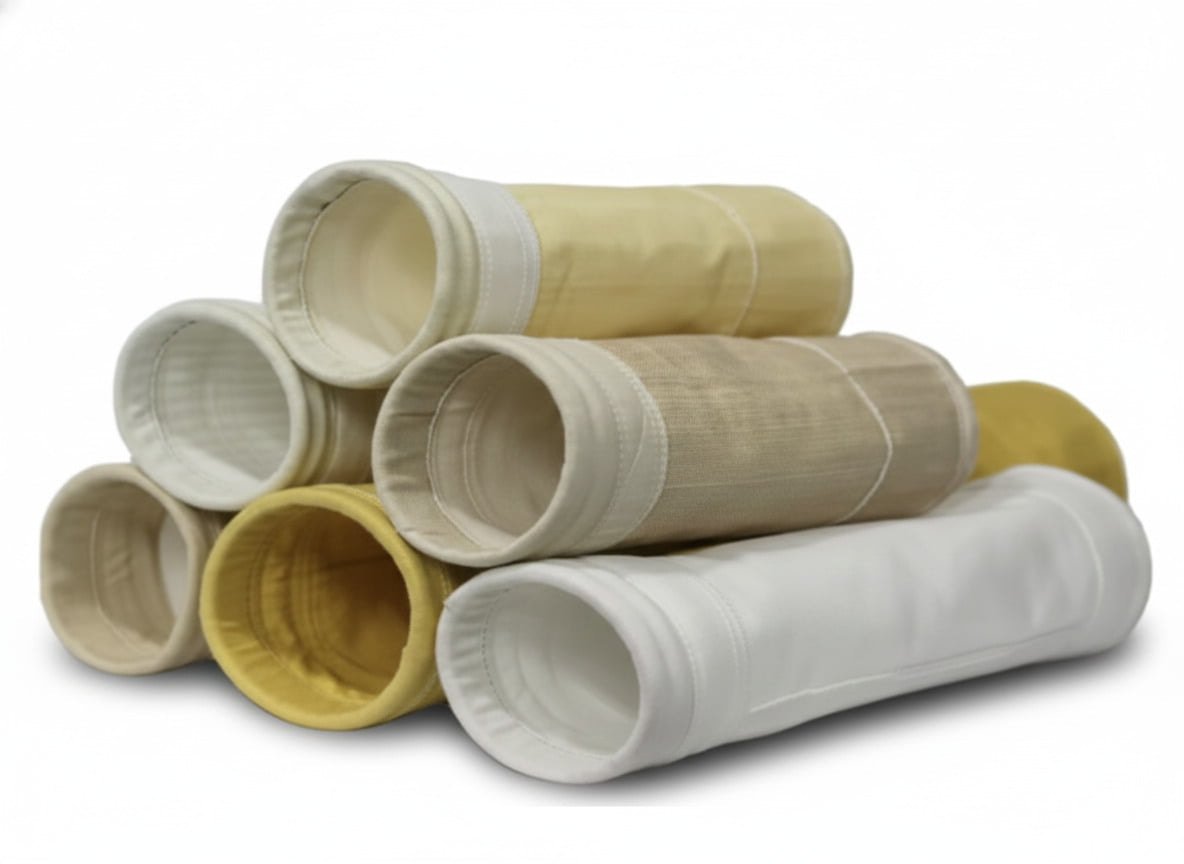
You can make a fabric filter baghouse work well by looking at important things. Pick the best Fabric Filter Bag for your dust and temperature. Keep the air-to-cloth ratio right so airflow stays even. Use filter media that fits your process and local laws. Many fabric filter baghouses take out up to 99.9% of particulate matter from emissions. This strong efficiency helps you follow tough air quality rules.
Key Takeaways
Pick the best filter bag material for your dust. This stops damage and keeps things working well.
Keep the right air-to-cloth ratio for good results. A balanced ratio saves money and makes filters last longer.
Do regular checks and cleaning often. This finds problems early and helps your baghouse work well.
Use smart monitoring systems to watch how things work. Real-time data lets you fix problems before they get worse.
Follow safety rules and emission standards carefully. Doing this helps the environment and stops expensive fines.
What Are the Key Components of a Fabric Filter Baghouse?
A fabric filter baghouse primarily consists of filter bags, a housing structure, a cleaning system, and a dust collection mechanism. These components work together to remove particulate matter from industrial emissions effectively.
A fabric filter baghouse works well when you know each part. Every part helps collect dust and keep things running. You should learn how these pieces fit together in the baghouse.
Filter Bags and Cages
Filter bags and cages are very important in baghouse filters. You pick the right filter bag material to catch different particle sizes. Some bag materials last longer and handle heat or wet air better. Cages hold the bags open so air can move through. Strong materials make the bags last longer and clean easier. This helps your baghouse filters work well for a long time.
Tip: Always choose filter bag material that matches your process. This stops early damage and keeps your system working well.
Cleaning Mechanisms
Cleaning mechanisms take dust off the filter bags so air keeps moving. You can use shaker, reverse air, or pulse-jet systems. Pulse-jet cleaning uses quick blasts of air and lets the baghouse work all the time. Reverse air cleaning bends the bags and shakes dust off. Shaker systems move gently but may not clean sticky dust well. Picking the right cleaning method keeps pressure low and helps your baghouse work better.
Cleaning Mechanism | Description | Impact on Efficiency |
|---|---|---|
Shaker | Gentle shaking | Good for big dust, not for sticky dust |
Reverse Air | Air goes backward | Cleans more dust, works better |
Pulse-Jet | Quick air bursts | Runs nonstop, saves space |
Hoppers and Auxiliary Equipment
Hoppers catch dust that falls off the bags when cleaning. You need a good way to get rid of dust so it does not pile up or go back into the air. Some hoppers break up dust clumps to make removal easier. If the discharge does not work, dust can block the way out or go back into the baghouse. Extra equipment helps move dust out fast and safely.
Hoppers collect dust after cleaning.
Discharge units send dust to disposal.
Live bottom hoppers break up dust clumps.
Broken discharge can cause dust issues.
Control Systems
Control systems help you run your fabric filter baghouse safely and well. These systems check airflow, pressure, and cleaning times. Sensors show when cleaning is needed. Good controls stop problems and save energy. You also follow EPA and OSHA rules for safety and emissions. Smart controls help your baghouse design work its best.
Feature | Benefit |
|---|---|
Efficient operation | Keeps the system working well |
Airflow maintenance | Makes sure dust is collected |
Prevents downtime | Finds problems before stopping work |
Energy reduction | Saves money by using less energy |
Compliance | Helps you follow safety rules |
What Design Principles Determine How a Baghouse Performs?
The way you design a fabric filter baghouse changes how well it works. You can make it work better by looking at three things. These are air-to-cloth ratio, airflow and housing layout, and pressure drop management. Each part of the design helps collect dust and keep the system running well.

Air-to-Cloth Ratio
The air-to-cloth ratio shows how much air goes through each square foot of filter media every minute. You can find it using this formula:
Airflow rate (cfm) = Total filter area (ft²) x Air-to-Cloth ratio (ft/min)
If the air-to-cloth ratio is too high, more air moves through the filters. This can make the filters work less well, wear out faster, and cost more money. If the ratio is too low, you might need more filters and a bigger baghouse. The best ratio helps your baghouse work well and makes filters last longer.
Application Type | Air-to-Cloth Ratio |
|---|---|
Coal-fired power plant | 3:1 – 2:1 |
Woodworking facility | 8:1 |
Chemical processing facility | 20:1 |
Pharmaceutical plant | 2:1 |
Tip: The right air-to-cloth ratio saves money, helps filters last, and collects more dust.
Airflow and Housing Layout
Good airflow is important for a baghouse. The way you set up the housing and ducts changes how air and dust move. If you design the inlet well, dust spreads out to all the filter bags. Bad layouts can make dust pile up in some places and not use all the filters.
Use ductwork that keeps air moving smoothly. This helps dust reach the filters.
Do not use sharp turns or sudden duct size changes. These can make dust settle early.
Put inlets in places where air and dust spread out evenly. This helps every filter bag work well.
A good entry zone and housing layout give you even airflow, better dust collection, and longer filter life. You also help the filter bags last longer and stop dust from escaping.
Pressure Drop Management
Pressure drop is the change in air pressure before and after the filters. You want to keep this number between 3 and 4 inches of water. If the pressure drop is too high, the fan works harder, uses more energy, and the system does not work as well. If it is too low, dust can get through the filters.
Pressure Drop (inches of water) | Effect on Operation |
|---|---|
3-4 | Best performance, good airflow |
>4 | More energy use, less efficiency |
<3 | Bad filtration, dust gets through |
Every extra inch of pressure drop makes the fan use more power. This can make energy costs go up and filters wear out faster. By watching and controlling pressure drop, you keep your baghouse working well and save money.
Note: Pleated filter bags can help lower pressure drop. They have more surface area, so air moves through them more easily. This means you use less energy and your filters last longer.
Pleated Filter Design for Optimization
Pleated filter bags fold the filter cloth to give more surface area in the same space. This design lets you use higher airflows without raising the air-to-cloth ratio. You also get better dust holding and need less cleaning pressure. Pleated bags can double or triple the filter area, which lowers pressure drop and makes the baghouse work better.
Pleated bags need less cleaning pressure, so they last longer.
More surface area means better dust collection and less energy use.
You can fit more filter media in the same baghouse, which helps it work better.
By picking the right air-to-cloth ratio, setting up good airflow and housing layout, and managing pressure drop, you help your fabric filter baghouse work its best. Pleated filter design gives you even more ways to make it work better and more efficiently.
How Do You Select the Right Filter Media for a Baghouse?
Picking the right filter media is very important for your fabric filter baghouse. You need to think about different filter bag types, special coatings, and how each one fits your needs. Good filter media helps control dust, keeps equipment safe, and follows rules.

Types of Fabric Filter Bags
There are many kinds of filter bags you can use. Each type has good and bad points. The table below lists common filter bag choices:
Type of Filter Bag | Advantages | Disadvantages |
|---|---|---|
Needle-Felt Filter Bags | Strong, handles heavy dust, lasts a long time | Not good with wet air, does not work as well |
Multifilament Mesh Bags | Cheap, works at medium heat | Does not catch tiny dust |
Monofilament Mesh Bags | Traps small dust well | Costs more, does not handle high heat |
Synthetic Fiber Filter Bags | Works well, resists heat | Can be more expensive |
Mesh Filter Bags | Big area, lots of airflow, removes many things | Rips easily, not for tiny dust |
You should pick a filter bag that matches your dust and process.
Media Treatments and Coatings
Special coatings can make filter bags work better. These treatments help your baghouse last longer and clean easier:
Chemical resistance keeps bags safe from acids and bases.
Fire retardant lowers fire danger in dusty places.
Antimicrobial coatings stop germs in food or drug plants.
Dust release coatings help cleaning and save energy.
Longer life means you change filters less often.
Tip: Choose coatings that fit your process. This keeps your filter bags working well and safe.
Application Suitability
You need to match the filter media to your dust and process. Think about these things:
Size and type of dust
Fire and static risks
Wetness in the air
Temperature where you use the baghouse
Some filter media, like cellulose blends, hold more dust and clean easily. Others, like spunbond polyester, work well in tough places. Always check your needs, dust type, and safety rules before you choose.
Good filter media keeps your equipment safe, protects your product, and helps you follow the law. You save money and your baghouse works well.
How Can You Maximize the Efficiency of a Fabric Filter Baghouse?
To maximize the efficiency of a fabric filter baghouse, ensure regular maintenance and optimal operating conditions. This includes routine inspection, timely replacement of worn-out filter bags, and maintaining appropriate airflow rates.

Maintenance and Cleaning
You can help your fabric filter baghouse work well by doing regular checks and cleaning. When you look at your system often, you find problems early. Change filter bags before they get too old. Old bags let dust escape and make the system less efficient.
Check your baghouse filters often for damage or leaks.
Change filter bags before they get weak.
Watch airflow rates to keep the system working well.
Take care of airlock valves so dust does not leak or block the system.
Cleaning cycles are important for baghouse operation and optimization. Set cleaning times that fit your system’s needs. Pulse cleaning works best when you match the timing to dust levels. Most cleaning cycles happen every 1 to 30 seconds. You can change this with a timer or control system. Keep pressure between 3 and 6 inches of water column for good results. Some systems use automatic controls to save air and energy.
Tip: Regular checks and smart cleaning help your baghouse last longer and meet air quality rules.
Monitoring and Troubleshooting
You can use new technology to watch your baghouse and fix problems quickly. IoT sensors track things like pressure, airflow, valve cycles, emissions, and motor load. These sensors send data to a safe cloud platform. You get updates and alerts if something is wrong.
Real-time monitoring helps you find issues before they stop work.
Predictive alerts tell you when filters need cleaning or changing.
You can check emissions and follow environmental rules.
These systems connect with plant reporting tools for easy records.
Tougher emission rules mean you need better monitoring. Using these tools helps you follow rules and stay safe. You also use less energy and keep your baghouse working well.
Note: Predictive maintenance lets you fix small problems early. This saves money and keeps your system running smoothly.
Here is a table that shows how different maintenance plans help your baghouse:
Maintenance Strategy | Benefit |
|---|---|
Preventative Maintenance Schedule | Keeps checks and repairs on track, so you do not miss tasks. |
Regular Inspections | Finds problems early, so you can fix them fast. |
Staff Training | Helps your team spot and solve common problems. |
Documentation and Record Keeping | Gives you a history to help with troubleshooting. |
Optimizing Baghouse Performance | Keeps filters clean and airflow strong, stopping dust buildup. |
Effective Cleaning Strategies | Reduces downtime by using smart cleaning methods. |
Pulse Jet Baghouse Advantages | Lets you clean filters while the system runs, so you do not have to stop work. |
Using these plans helps you get better air quality, lower health risks, and make your baghouse last longer.
Upgrades and Improvements
You can make your baghouse work better by adding upgrades. New filter media can match your dust and save energy. Pulse jet systems clean filters well and keep airflow steady. Sequential cleaning lets your baghouse run without stopping for cleaning. High-efficiency filter bags catch smaller dust and hold more, so you get better collection.
Here are some upgrades that help with optimization:
Upgrade Type | Description |
|---|---|
Advanced Filter Media | Matches filters to your dust, improving filtration and saving energy. |
Pulse Jet Systems | Cleans filters well, stops clogging, and keeps airflow strong. |
Sequential Cleaning | Lets your baghouse work nonstop, even during cleaning. |
High-Efficiency Filter Bags | Captures fine dust and holds more, raising performance. |
Extended Surface Area Filters | Adds more filter area without making the baghouse bigger, so more air passes through. |
Optimize Air-to-Cloth Ratio | Lowers the ratio to stop filter overload and improve dust capture. |
You can add pressure sensors to know when filters need cleaning or changing. Emission monitors help you stay within legal limits and find ways to improve your system.
High-efficiency filter bags and extended surface area filters help you collect more dust.
Lowering the air-to-cloth ratio makes your baghouse more efficient.
Upgrades keep your system ready for new rules and tougher standards.
Tip: Plan upgrades based on your process and dust type. This helps you get the most from your baghouse and keeps your operation and optimization on track.
By following these steps, you keep your fabric filter baghouse working well. You protect your equipment, follow rules, and make your investment last longer.
Compliance and Safety

Emission Standards
You have to follow strict emission rules when using a fabric filter baghouse. These rules protect the environment and help your facility stay legal. Different countries and industries have their own rules. Here is a table with some main regulations:
Regulatory Body | Regulation | Key Requirements |
|---|---|---|
US EPA | Clean Air Act (CAA) | Standards for emissions, monitoring, recordkeeping |
EU | Industrial Emissions Directive (IED) | Emission limit values, monitoring requirements |
ISO | ISO 11057 | Performance evaluation methods for bag filters |
OSHA | Occupational Safety and Health Administration | Safe working conditions, dust exposure regulations |
You need to check your system every three months. Do maintenance on time. Use pressure drop monitors and keep good records. A bag leak detection system helps you find problems early. These steps help you meet emission limits and avoid getting fined.
Tip: Always look up local rules for your industry, like manufacturing, mining, or food processing. Some jobs may need extra steps for dust control and air quality.
Explosion and Fire Prevention
Dust in a baghouse can start fires or explosions if not managed well. You can use different ways to keep your system safe. The table below shows some of the best methods:
Method | Description |
|---|---|
Chemical isolation | Stops explosions in ducts quickly. |
Chemical suppression | Detects and puts out flames before they spread. |
Fast acting valve | Closes fast to block pressure and flames. |
High-speed abort gate | Sends hazards away from the collector. |
Maintain air velocity safety | Keeps dust from building up in ducts. |
Spark arrestor | Puts out sparks before they reach the filter. |
Special Filter Media | Resists sparks and embers. |
Sprinklers | Puts out fires in key areas. |
Hopper discharge devices | Removes dust so it cannot fuel a fire. |
Deflagration vents | Directs flames and pressure away from workers. |
You should clean dust hoppers often and change filters on time. Take away anything that could start a fire near your dust collector. Use isolation valves on ducts to stop fire from spreading.
Worker Safety
You help keep everyone safe when working near a baghouse. Follow these steps to protect workers:
Check equipment often for damage or wear.
Make a regular maintenance plan.
Clean dust from surfaces and hoppers.
Teach all staff about safety rules and emergencies.
Keep work areas neat to lower dust risks.
Handle dangerous materials carefully.
Write down all checks and repairs.
Ask everyone to report safety problems.
Note: Good training and clean work areas help stop accidents and keep your team safe.
By following these safety and rule steps, you help your fabric filter baghouse run safely and meet all laws.
You can make your fabric filter baghouse work better by using smart design and picking the right filter media. Keep your system strong by choosing filter bags that match your dust. Always check if the filter bags fit the cages well. Look at the cages and filters often to find problems early. Fix leaks and change gaskets when they get old. Teach your team how to find and fix issues fast. Clean the filters on a regular schedule and check the pressure drop often. These steps help your baghouse follow air quality rules.
Tip: Plan regular checks, control moisture, and make sure cleaning systems work right to keep your baghouse safe and following the rules.
FAQ
What is a baghouse and how does it work?
You use a baghouse to remove dust from the air. Air flows through filter bags that trap dust particles. Clean air leaves the system. This helps you keep your workplace safe and your equipment clean.
How often should you replace filter bags?
You should check filter bags every few months. Replace them when you see damage or a drop in performance. Regular checks help your air filtration system work well and last longer.
What makes advanced baghouse design important?
You get better dust control and energy savings with advanced baghouse design. New features help you collect more dust, reduce maintenance, and meet strict air quality rules.
Can you use a baghouse for any dust collection system?
You can use a baghouse for many types of dust collection system. It works well in factories, woodworking shops, and power plants. Always match the baghouse to your dust type and process.
How do you keep your baghouse safe?
You keep your baghouse safe by cleaning dust hoppers, checking for leaks, and following safety rules. Train your team and use fire prevention tools to protect your equipment and workers.