

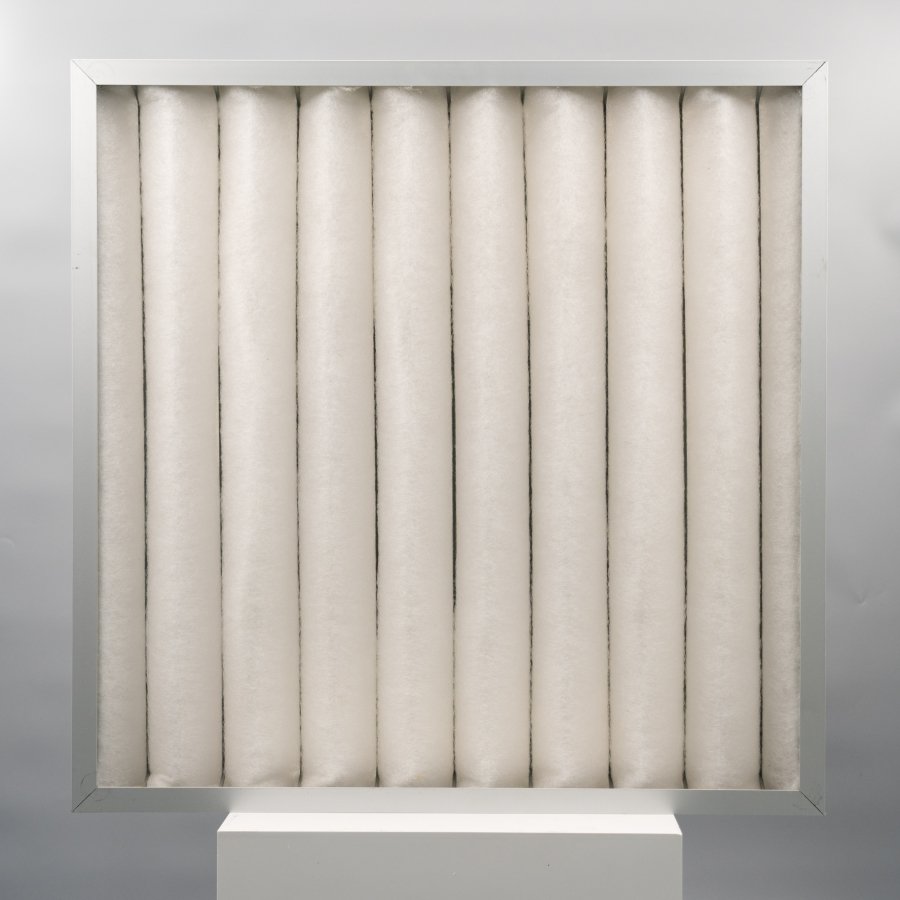
You use a flat panel air filter to catch dust and pollen. It also traps other small things in the air. Air moves through the air filtration system. These filters are found in homes, offices, factories, and hospitals. People use them to make indoor air better. They also help protect machines and people’s health. The main types are fiberglass, synthetic fiber, washable, and electrostatic filters. Each type works best for certain needs. You can find flat panel air filters in many places:
Homes use them for cleaner air and to help allergies
Offices and hotels use them to keep air fresh
Factories use them to protect machines and workers from dust
Hospitals and labs use them to stop germs from spreading
Knowing about these choices helps you pick the right air filter. It can also help you save money.
Key Takeaways
Flat panel air filters help clean the air inside. They catch dust, pollen, and other small things. Pick the right type for what you need.
Fiberglass filters cost less but only trap big particles. They work best for simple protection of HVAC systems.
Washable filters help save money and make less trash. You can use them for 5 to 10 years if you clean them often.
Electrostatic filters use static charge to pull in dust and pet hair. They work well in homes with pets but need cleaning every month.
Always look at the size and MERV rating of your filter. This helps it fit your HVAC system and gives you the air quality you want.
What Are the Different Types of Flat Panel Air Filters?
Flat panel air filters come in various types, primarily differentiated by their materials and efficiency. The main types include fiberglass, polyester, and pleated filters. Each type offers distinct features catering to different filtration needs.
Flat panel air filters come in many types. Each type uses different materials. They work best in certain places. You see these filters in homes, offices, factories, and hospitals. The main types are fiberglass, synthetic fiber, washable, and electrostatic. Knowing the differences helps you pick the right filter.
Fiberglass Flat Panel Filters
Fiberglass flat panel filters use thin glass fibers. These fibers are woven together. You often find these filters in home HVAC systems. They are a basic choice. They catch big dust and lint. Smaller things like pollen and bacteria can pass through.
Note: Fiberglass filters have a low MERV rating. It is usually between 2 and 4. This means they do not catch tiny particles.
Filter Type | MERV Rating | Filtration Efficiency |
|---|---|---|
Fiberglass Flat Panel | 2-4 | Captures large dust and lint, less effective for pollen, bacteria, and viruses |
You might choose this filter to protect your HVAC system from big debris. These filters cost less. They fit most standard sizes like 24″ x 24″. They also come in depths of 1, 2, or 4 inches. They do not help much with allergies.
Synthetic Fiber Flat Panel Filters
Synthetic fiber flat panel filters use polyester or other man-made fibers. These filters work as pre-filters in many HVAC systems. They trap bigger particles. This helps keep the main filter clean.
Synthetic fiber filters have MERV ratings between 1 and 4.
Air flows easily through them. Your system does not work too hard.
You find them in homes, offices, and some commercial buildings.
Characteristic | Description |
|---|---|
Particle Size Removal | Captures larger particles, not fine contaminants like smoke or bacteria |
Airflow Resistance | Low, so air moves through easily |
Role in Filtration | Often used as pre-filters to protect higher-efficiency filters |
Synthetic fiber filters come in many sizes. They are easy to install. They do not remove tiny allergens. They help your system last longer.
Washable Flat Panel Filters
Washable flat panel filters use polyester synthetic fibers. You can clean and reuse these filters. This saves money and reduces waste.
Washable filters last between 5 to 10 years.
You need to wash them every few months.
They work in homes, small offices, and places where you want less waste.
Tip: Washable filters help the environment. You do not throw them away often.
Filter Type | Materials Used | Lifespan |
|---|---|---|
Washable Panel Filter | Polyester synthetic fibers | 5-10 years |
These filters trap bigger dust and dirt. They may not catch very small particles. They are a smart choice if you want a long-lasting filter. You need to clean it sometimes.
Electrostatic Flat Panel Filters
Electrostatic flat panel filters use special fibers. These fibers create a static charge. This charge attracts dust and pet hair. It holds them in the filter. You do not need electricity for this.
Features | Electrostatic Filtration | Mechanical Filtration |
|---|---|---|
Filtration Mechanism | Uses dense fibers | |
Efficiency | Moderate | High |
Best For | Dust, pet hair | Allergens, smoke |
You find these filters in homes with pets or lots of dust. They work well for general cleaning. They do not remove the smallest particles like smoke or bacteria. Some electrostatic filters are washable. You can use them for many years.
Note: Newer electrostatic filters use advanced materials. Electret fibers help trap more particles.
Flat Panel Air Filter Types at a Glance
Here is a quick table to help you compare the different types of ac filters:
Filter Type | Key Features | Efficiency | Common Uses |
|---|---|---|---|
Fiberglass | Low cost, basic protection | Low (MERV 2-4) | Homes, pre-filters |
Synthetic Fiber | Easy airflow, protects main filter | Low (MERV 1-4) | Homes, offices, pre-filters |
Washable | Reusable, eco-friendly | Moderate | Homes, small offices |
Electrostatic | Attracts dust and pet hair, some washable | Moderate | Homes with pets, dusty areas |
Rules like ASHRAE 62.1 and 62.2 help you choose filters for commercial buildings. These rules keep indoor air safe and healthy.
You can also find new types of air filters. Some use nanofiber or graphene materials. These advanced filters trap even smaller particles. They last longer. Some have smart technology to tell you when to change them.
Choosing the right flat panel filters depends on your needs. Think about air quality, cost, and how often you want to change or clean your filter. Knowing the different types of ac filters helps you make a smart choice for your space.
What Are the Pros and Cons of Flat Panel Air Filters?
Flat panel air filters are cost-effective and easy to replace, making them suitable for basic filtration needs in HVAC systems. However, they offer limited filtration efficiency compared to more advanced filter types, which may not be ideal for environments requiring high air quality.

Fiberglass Filters: Pros and Cons
Fiberglass filters are easy to find in stores. They cost less than most other filters. They help protect your HVAC system from dust and lint. You can put them in and take them out quickly. These filters are simple to use.
Advantage | Description |
|---|---|
Affordability | These filters are cheap, so many people buy them. |
Filtration | They trap dust and dirt to protect your HVAC system. |
Widely Available | You can find them in most stores or online. |
Easily Replaceable | It is easy to put in a new one or take out the old one. |
But fiberglass filters do not catch tiny things like dust mites. If you have allergies, they may not help you much. You need to change them every month. If you forget, your air can get dirty. Fiberglass can break and let out small fibers. These fibers can bother your skin or lungs. They do not break down in landfills, so they add to trash.
Synthetic Fiber Filters: Pros and Cons
Synthetic fiber filters last longer than fiberglass ones. They trap smaller things in the air. They cost a little more, but they work better and last longer.
Filter Type | Cost Range | MERV Rating | Filtration Efficiency | Lifespan |
|---|---|---|---|---|
Fiberglass Filters | $5 – $10 | 2 – 4 | Low (catches big stuff) | |
Polyester Filters | A bit more | 4 – 7 | Better (catches smaller stuff) | Lasts longer |
Synthetic fiber filters are good for homes and offices. They help people with mild allergies. You still need to change them, but not as often as fiberglass. They do not catch the tiniest things, so they are not best for hospitals.
Washable Filters: Pros and Cons
Washable filters save you money over time. You can clean and use them again for years. This helps the environment and makes less trash. You need to wash them at least once a month.
Take the filter out of your AC.
Rinse it with water. Use soap and a brush if it is very dirty.
Shake off the water and put it back in.
Washable filters are good for homes and small offices. They do not catch tiny allergens or smoke. If you forget to clean them, dust can block the air.
Electrostatic Filters: Pros and Cons
Electrostatic filters use static to grab dust and pet hair. Many of these filters can be washed and used again. This saves you money. They are good for homes with pets or lots of dust.
Benefit/Drawback | Description |
|---|---|
Cost-Effective | You can wash and reuse them, so you save money over time. |
High Efficiency | They have a MERV rating of about 5 or 6 and catch big particles. |
Outstanding Air Filtration | They help make the air cleaner in your home. |
Monthly Maintenance | You must clean them every month or they will not work well. |
Release of Harmful Particles | They do not block all germs, so they may not help people with breathing problems. |
Insufficient Air Flow | If you do not clean them, air cannot move well and dirt can get in. |
You need to clean electrostatic filters every month. If you do not, air will not flow well and dust can spread. These filters do not stop all germs, so they are not good for hospitals or people with bad allergies. Electrostatic filters are a good choice for most homes because they are easy to care for and save money.
How Do Flat Panel Air Filters Compare to Other Types of Air Filters?
When you look at air filters for your home or business, you see many choices. Flat-paneled filters, pleated filters, HEPA filters, and whole-house air filters all work in different ways. Each type has its own strengths and weaknesses. You need to know how they compare before you choose one.
Filtration Efficiency
Flat-paneled filters catch large dust and lint. They do not trap tiny particles like pollen or smoke. Pleated filters use more material and catch smaller things. HEPA filters remove almost all particles, even the smallest germs. Whole-house air filters can use pleated or HEPA designs, so they clean the air better than flat-paneled filters.
Cost and Maintenance
You pay less for a flat panel air filter than for a HEPA filter. The price difference is big. Look at this table:
Filter Type | Average Cost Range |
|---|---|
Flat Panel Filter | |
HEPA Filter | $2,000 – $5,000+ |
Flat-paneled filters cost less, but you need to change them more often. Whole-house air filters last longer between changes. Here is how often you should change each one:
Filter Type | Recommended Change Frequency |
|---|---|
Flat Panel Air Filter | |
Whole-House Air Filter (Pleated) | Every 60 to 90 days |
You spend less time and money on maintenance with whole-house air filters.
Lifespan and Environmental Impact
Flat-paneled filters do not last as long as pleated or HEPA filters. You throw them away more often. Here is a quick look:
Filter Type | Lifespan |
|---|---|
Flat Panel | N/A |
Pleated | |
HEPA | 6 months to 3 years |
Throwing away flat-paneled filters often creates more waste. Pleated filters and whole-house air filters also add to landfill waste because they are not biodegradable. You should always dispose of used filters properly to help the environment. High-efficiency filters, like HEPA and some whole-house air filters, need fewer replacements, so they make less waste.
Tip: If you want to help the planet, choose filters that last longer and remember to recycle when possible.
Flat-paneled filters work well for basic needs. Whole-house air filters give you better air quality and save you time. Think about your needs, your budget, and how much work you want to do before you decide.
How Can You Choose the Right Flat Panel Air Filter?
To choose the right flat panel air filter, consider the filter’s MERV rating, size, material, and specific needs of your HVAC system. A higher MERV rating indicates better filtration efficiency, capturing more particles and allergens. Ensure the filter fits your system’s dimensions and is made from durable materials for optimal performance.

Factors to Consider
When you choose a flat panel air filter, you need to think about your home, your health, and your HVAC system. If you have pets or allergies, look for filters with a higher MERV rating, between 8 and 13. These filters trap pet fur, dander, and pollen. Electrostatic options help catch more dust and hair. Some filters use activated carbon to remove odors, which is helpful if you have pets.
You should also check the size of your hvac air filter. A filter that does not fit lets dirty air pass through. Always match the filter size to your system. Some filters work better with certain systems. For example, a non-electrostatic filter fits many standard home HVAC systems and captures large dust and lint.
Your budget matters too. High-quality filters cost more but last longer and work better. Disposable filters are easy to replace and keep the air clean. If you want to save money over time, washable filters are a good choice.
Tip: Change your filter every three months, or more often if you have pets or allergies.
Tips for Selection
You can follow these steps to pick the best flat panel air filter for your needs:
Check your HVAC system’s manual for the right filter size and highest MERV rating it can handle.
Think about your needs. If you have allergies or pets, choose a filter with a higher MERV rating or one with electrostatic or activated carbon features.
Compare costs. Washable filters cost more at first but save money over time. Disposable filters are cheaper but need frequent changes.
Make sure you install the filter the right way. Putting it in backward blocks airflow and lowers performance.
Inspect your filter every month. Clean or replace it as needed to keep your hvac air filter working well.
Maintenance Practice | Description |
|---|---|
Regular Inspection | Look at your filter each month for dust build-up. |
Proper Sizing | Use the correct size to prevent unfiltered air from moving through the system. |
Maintenance Schedule | Set reminders to change or clean your filter on time. |
If you follow these tips, you help your air conditioning filters last longer and keep your indoor air clean. Good air filters protect your health and your HVAC system.
There are lots of flat panel air filters to pick from. Each kind is made with different stuff. Some work better in certain places than others. Look at this table to compare them:
Feature | Fiberglass | Synthetic Fiber |
|---|---|---|
Material | Glass fibers | Polyester fibers |
Efficiency | Lower | Higher |
Lifespan | Shorter | Longer |
Cost | Lower upfront | Lower maintenance |
Best Use | Basic filtration | Sensitive areas |
Pick a filter that fits what you need and where you live. Check the filter you use now and see if you should get a better one. If you do not know which to choose, ask an expert. They can help you find the best filter and check for any problems you might not see.
FAQ
How often should you change a flat panel air filter?
You should check your filter every month. Most people change it every 30 to 90 days. If you have pets or allergies, change it more often for cleaner air.
Can you wash and reuse all flat panel air filters?
No, you cannot wash all types. Only washable or reusable filters allow cleaning. Disposable fiberglass and synthetic fiber filters must be replaced when dirty.
Do flat panel air filters help with allergies?
Flat panel filters trap large dust and lint. They do not catch tiny allergens like pollen or pet dander. For allergies, you need a filter with a higher MERV rating.
What size flat panel air filter do you need?
You can find the right size by checking your HVAC system’s manual or the old filter’s label. Always use the correct size to keep your system working well.