
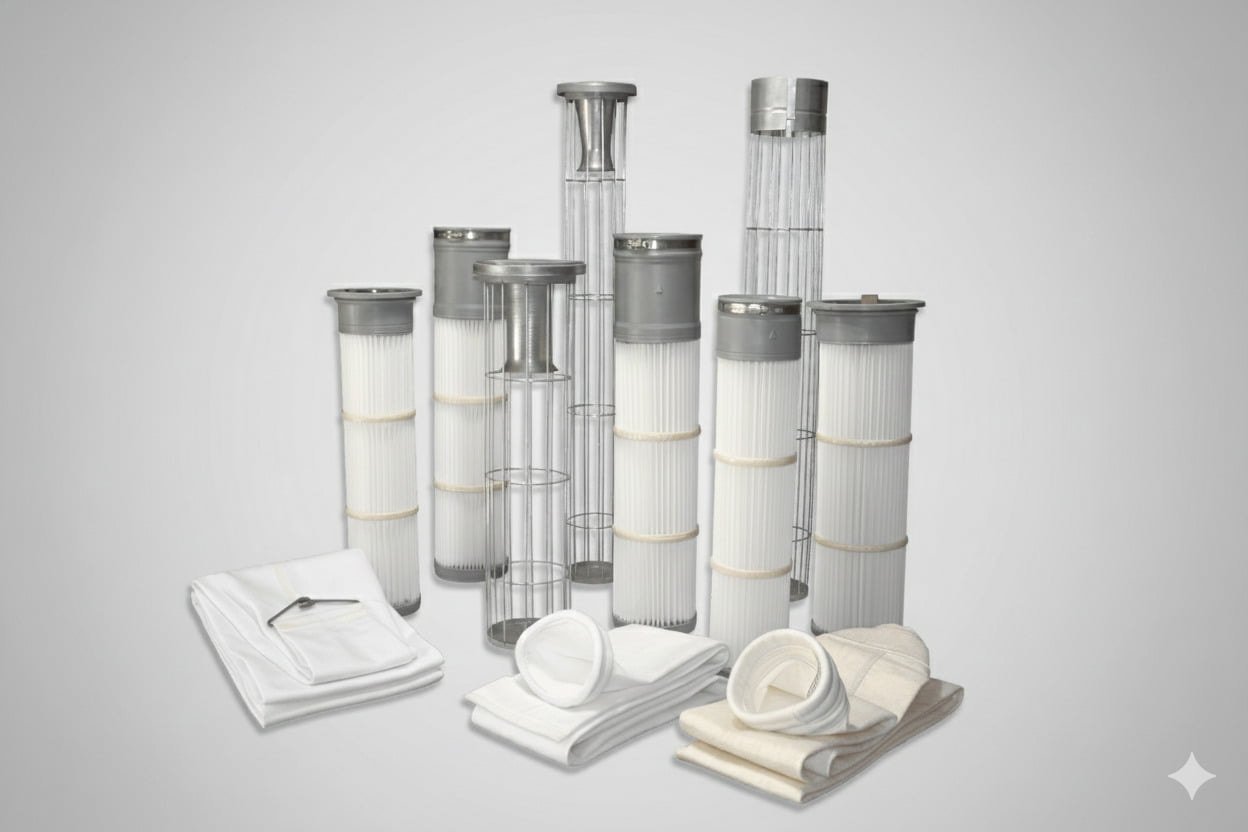
You rely on a Dust Collector Filter Bag to trap dust and keep your workspace clean. Finishes help the bag work better. These special treatments make the bag last longer, improve how well it filters dust, and help dust cake release easily. Finishes also protect against damage.
Key Takeaways
Filter bag finishes make filtration work better. They help catch more than 99.99% of tiny dust pieces. They also stop clogs from happening. Picking the right finish can make your filter bags last longer. This helps you save money on new bags and fixing costs. Each finish works best with certain dust types. Use coated finishes for sticky dust. Napped or glazed finishes are good for fine powders.
Why Are Filter Bag Finishes Important?
Filter bag finishes are crucial as they enhance the bag’s durability, efficiency, and resistance to various operational conditions. The finish affects the filter’s ability to capture particles effectively, resist wear and tear, and withstand chemical and thermal stress, ensuring optimal performance and longevity.
Enhancing Filtration Efficiency
You want your Dust Collector Filter Bag to catch lots of dust. Finishes help the bag grab tiny dust pieces and keep air clean. Some finishes, like PTFE coatings, make the bag work even better. They can help trap over 99.99% of small dust. Surface treatments also help dust come off the bag easily. This stops the bag from getting clogged. The table below shows how finishes help with filtration:
Study | Findings |
|---|---|
Sang et al. | More needling strokes lower pressure and raise collection efficiency. |
Jiang et al. | PTFE membrane-coated bags trap over 99.99% of micron-sized particles. |
Liu et al. | PTFE media works better at higher air speeds. |
Bao et al. | Thicker fibers help dust fall off the bag. |
Cirqueira et al. | Treated surfaces clean better and last longer. |
Improving Bag Durability
You want your filter bags to last a long time. Finishes protect the Dust Collector Filter Bag from damage. Singed or glazed finishes make the surface smooth. This means dust does not stick as much. It helps stop scratches and tears. Bags with strong finishes can last two or three times longer. You save money and do not need to buy new bags often.
Reducing Maintenance Needs
Finishes help you spend less time and money on fixing bags. Bags with special finishes need fewer changes and less cleaning. The table below shows some good things about finishes:
Benefit | Description |
|---|---|
Longer Filter Life | Bags last two to three times longer |
Reduced Maintenance Costs | Fewer changeouts lower costs |
Lower Pressure Drop | Fans use less energy |
Reduced Emissions | Up to 30% fewer emissions |
You get cleaner air and save money. You also have less downtime when you pick the right finish for your Dust Collector Filter Bag.
What Types of Dust Collector Filter Bag Finishes Are Available?
You can choose from several finishes for your Dust Collector Filter Bag. Each finish gives you different benefits. You need to know how each one works before you decide which is best for your system.

Plain Finish
A plain finish is the most basic type. You get a bag with no extra surface treatment. The fibers stay loose and open. This finish lets air move easily through the bag. You may see more dust sticking to the surface. You need to clean the bag more often. Plain finish bags work well in simple jobs where dust is not sticky or hard to remove.
Tip: Use plain finish bags for light dust loads and dry environments.
Singed Finish
A singed finish uses heat to burn off loose fibers on the surface. You get a smoother bag. Dust does not stick as much. You spend less time cleaning. Singed finishes help prevent dust from building up. You see these bags in cement plants and metal shops.
Smoother surface
Less dust sticking
Easier cleaning
Glazed (Calendared) Finish
A glazed or calendared finish presses the fibers flat with heat and rollers. You get a shiny, slick surface. Dust cake releases quickly. The bag resists abrasion. You use glazed finishes when you need strong bags that last longer. These bags work well with fine powders and sticky dust.
Feature | Benefit |
|---|---|
Slick surface | Fast dust release |
Tight fibers | Less wear and tear |
Shiny look | Easy to spot damage |
Napped Finish
A napped finish brushes the fibers to make them fluffy. You get a soft, fuzzy surface. This finish traps more dust. You see better filtration. Napped bags work well with very fine dust. You may need to clean them more often because dust can stick inside the fibers.
Note: Napped finishes help you catch tiny dust, but you need to watch for clogging.
Coated Finish
A coated finish adds a layer to the bag surface. You may see coatings like PTFE or acrylic. These coatings block moisture and chemicals. You get better protection in tough jobs. Coated finishes help you handle sticky, oily, or wet dust. You see these bags in food plants and chemical factories.
Blocks moisture
Resists chemicals
Improves dust release
You need to match the finish to your dust type and work environment. The right finish helps your Dust Collector Filter Bag last longer and work better.
What Are the Pros and Cons of Each Dust Collector Filter Bag Finish?
Dust collector filter bag finishes enhance performance by providing specific benefits tailored to different applications. Each finish offers unique advantages and potential drawbacks.

Plain Finish: Benefits and Drawbacks
You get a basic option with a plain finish. This type lets air move through the bag easily. You can use it for simple dust collection jobs.
Pros:
Low cost
Good airflow
Easy to install
Cons:
Dust sticks to the surface
Needs frequent cleaning
Wears out faster
Tip: Choose plain finish for dry, non-sticky dust.
Singed Finish: Advantages and Limitations
A singed finish gives you a smoother surface. You see less dust sticking to the bag.
Advantages:
Easier dust release
Less fiber shedding
Longer bag life
Limitations:
Not ideal for very fine dust
May not handle sticky dust well
Glazed Finish: Strengths and Weaknesses
Glazed finishes use heat and pressure to flatten fibers. You get a shiny, slick surface.
Strengths | Weaknesses |
|---|---|
Fast dust release | Higher cost |
Resists abrasion | Less flexible |
Lasts longer | Can crack over time |
Napped Finish: Upsides and Downsides
Napped finishes give you a soft, fuzzy surface. You trap more fine dust.
Upsides:
Better filtration
Good for tiny particles
Downsides:
Clogs faster
Needs more cleaning
Coated Finish: Pros and Cons
A coated finish adds a layer to the bag. You protect your Dust Collector Filter Bag from moisture and chemicals.
Pros:
Blocks water and oil
Handles harsh dust
Improves dust cake release
Cons:
Higher price
May reduce airflow
Can wear off with time
How Can You Choose the Right Dust Collector Filter Bag Finish?
Choosing the right finish for your Dust Collector Filter Bag helps you get the best performance and longest life. You need to look at the type of dust, your work environment, and how your system runs. Experts use several steps to make sure the finish matches the job.

Matching Finish to Dust Type
You need to know what kind of dust you collect. Sticky dust, oily dust, or fine powders all need different finishes. If you work with sticky dust, a coated finish like PTFE helps dust release easily. For dry, non-sticky dust, a plain or singed finish works well. Fine powders need napped or glazed finishes to trap small particles.
Tip: Always check if your dust is abrasive, sticky, or moist before picking a finish.
Dust Type | Recommended Finish | Why It Works |
|---|---|---|
Sticky/Oily | Coated (PTFE, acrylic) | Blocks sticking, easy clean |
Fine Powder | Napped, Glazed | Traps small dust, releases cake |
Dry/Non-Sticky | Plain, Singed | Good airflow, simple jobs |
Abrasive | Glazed | Resists wear, lasts longer |
Considering Application and Environment
Your work setting changes what finish you need. High temperatures, chemicals, or moisture can damage some bags. You should compare your application to a filter media chart that shows temperature and chemical resistance. If you work in a food plant, you need a finish that blocks moisture and resists chemicals. In a cement plant, abrasion resistance matters most.
Check your plant’s temperature range.
Look for chemical exposure.
Think about moisture levels.
Review past jobs to see what worked best.
Note: Special jobs may need extra features like ground wires or wear guards.
Operational Parameters and Cost
You must look at how your dust collector runs. Airflow, pressure, and bag size all affect your choice. Experts suggest you calculate the air-to-cloth ratio and pick the right bag length. You also need to meet dust emission rules. Sometimes, you need special sewing or close-offs to stop leaks.
Here is a step-by-step guide experts use:
Compare your process to a filter media chart for temperature and chemical resistance.
Use past experience to pick the best internal velocity range.
Calculate air-to-cloth ratio and bag length.
Check filtration efficiency to meet emission standards.
Add special design needs like ground wire or wear guards.
Choose filter media from trusted suppliers.
💡 You save money by picking a finish that lasts longer and needs less cleaning. Higher-quality finishes may cost more at first, but they lower your maintenance costs over time.
When you match the finish to your dust type, environment, and system needs, your Dust Collector Filter Bag works better and lasts longer.
You can make dust collection better by picking the right filter bag finish. Always think about what kind of dust you have and where you work. Makers say to choose filters that last a long time, follow rules, and help the environment.
Challenge | Description |
|---|---|
Compliance with regulations | Pick suppliers who know the laws. |
Filter longevity | Choose strong filters to save money. |
Environmental factors | Use filters that are good for nature. |
Do not make mistakes like putting in filters wrong, forgetting about heat limits, or skipping cleaning. Smart choices keep your system working well and safe.
FAQ
What finish works best for sticky dust?
You should pick a coated finish like PTFE. This finish helps dust release easily and keeps your filter bag clean.
How often should you replace filter bags with special finishes?
You can expect longer life. Most bags with finishes last two to three times longer than plain bags.
Check bags every six months.
Can you wash filter bags with finishes?
Finish Type | Washable? |
|---|---|
Plain | Yes |
Singed | Yes |
Glazed | Sometimes |
Coated | No |
You should always follow the manufacturer’s instructions.