
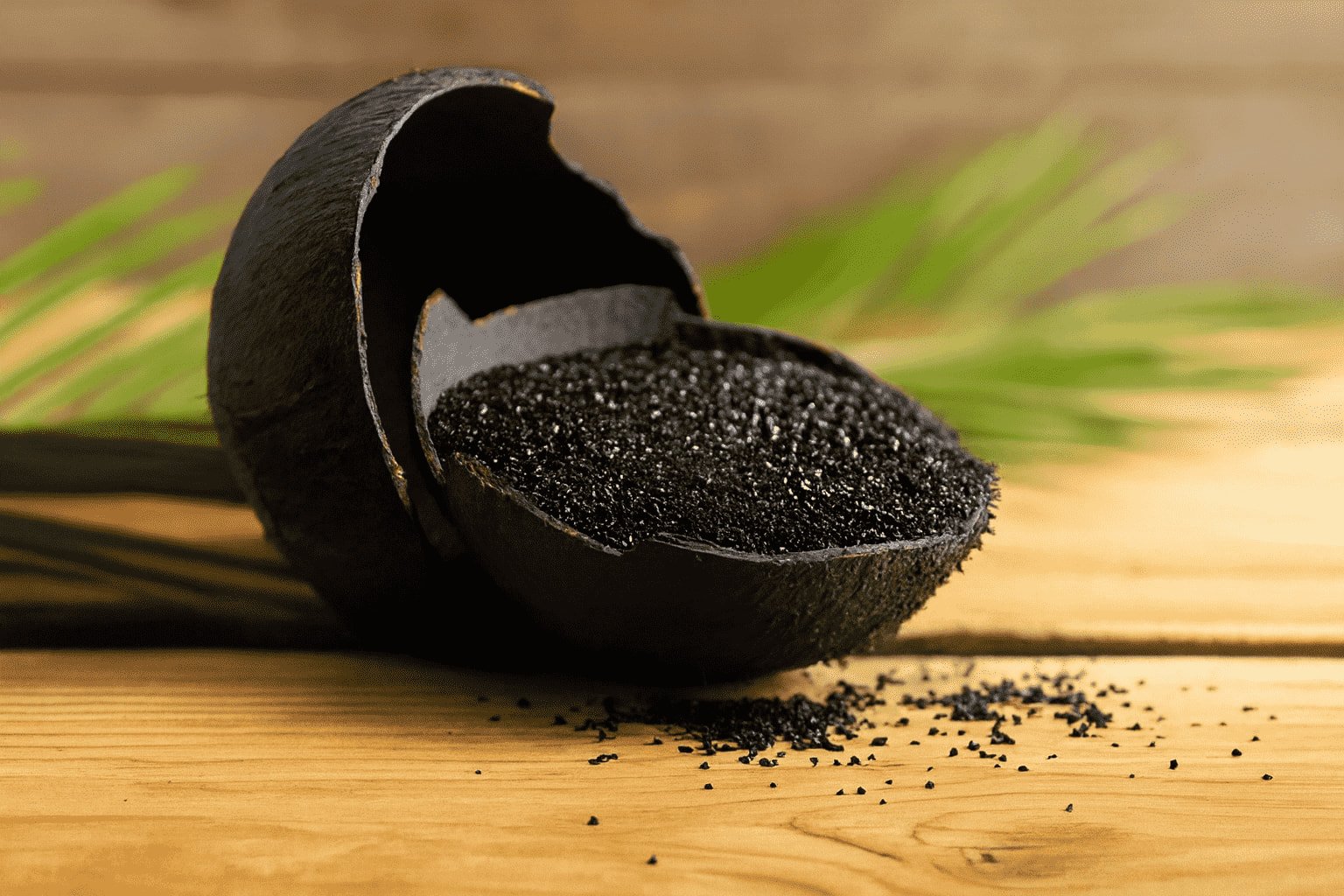
You might see coconut shell activated carbon in many filters today. This material is made from coconut shells. Coconut shells are natural and can be replaced. Factories use leftover coconut shells from the coconut industry. This helps cut down on trash in landfills. It also helps the environment by reusing waste. People pick this carbon because it takes out bad stuff from water and air. It makes water and air taste and smell better. It is also used in some medical devices. It is good for the planet because it does not pollute much. It is also very good at cleaning.
Key Takeaways
Coconut shell activated carbon is good for the earth. It uses coconut waste that would be thrown away. This helps cut down on trash and helps nature.
This carbon cleans water and air well. It takes out bad chemicals and smells. Your drinking water becomes safer and tastes better.
Coconut shell activated carbon works longer than other kinds. It can clean water for up to one year. This saves you time and money because you change it less often.
Pick the mesh size that fits your needs. Big mesh lets water move faster. Small mesh cleans water better.
Find filters that have certifications. These show the carbon is safe for drinking water. They also meet tough health rules.
What Is Coconut Shell Granular Activated Carbon and How Is It Made?
Coconut shell granular activated carbon is a type of activated carbon derived from coconut shells known for its high adsorption capacity and large surface area. It is widely used in water purification, air filtration, and industrial processes due to its effectiveness in removing impurities and pollutants.
Production and Structure
Factories use coconut shells to make this carbon. First, workers collect the shells and wash them. They clean off dirt and anything left on the shells. Then, they heat the shells in a place with no air. This step changes the shells into charcoal. After that, the charcoal is broken into small pieces. Workers sort these pieces by size. The next step is called activation. The charcoal is heated again with steam. The steam is very hot. This makes lots of tiny holes inside the charcoal. These holes make the carbon very porous. The porous carbon can trap many things. After this, the carbon cools down. Workers check the size and pack it for use.
Tip: Steam helps make many tiny holes in the carbon. These holes are important for catching bad stuff in water and air.
Key Properties
Coconut shell activated carbon has some special features. It has a very large surface area. One gram can have more than 2000 square meters. This means it can hold lots of bad things. The carbon has both micropores and mesopores. These help trap many kinds of particles and chemicals.
This carbon is also very hard and strong. It does not break or wear out easily. It stays strong even after being used for a long time. Its hardness is usually between 97% and 99%. This is better than coal or wood-based carbons. Because it is strong, it lasts longer in filters.
The special micropores help it adsorb things very well.
It can take high heat, so it works in many places.
The carbon chips and breaks slowly, so it does not turn into powder fast.
These features make coconut shell activated carbon a great choice. People use it to clean water and air at home and at work.
What Are the Benefits of Using Coconut Shell Granular Activated Carbon?
Coconut shell granular activated carbon offers high adsorption capacity, durability, and an eco-friendly profile, making it ideal for water purification and air filtration. Its micro-porous structure efficiently removes contaminants, ensuring effective purification.

Health and Safety
Clean water and air are important for your home. Coconut shell activated carbon helps remove bad chemicals and particles. Scientists say it works well for taking out PFAS, which are harmful chemicals. Some filters can get rid of more than 99% of these things. This carbon is tough and lasts a long time. You do not need to change your filter often.
You can trust this carbon in your drinking water. Many products follow strict safety rules. Here are some common certifications:
Certification | Description |
|---|---|
EN12915-1 | Standard for activated carbon |
NSF 61 standard | Safe for drinking water applications |
AWWA B604 | Standard for water treatment |
Halal certified | Compliance with Islamic dietary laws |
Kosher certified | Compliance with Jewish dietary laws |
Food Chemicals Code | Standards for food safety |
Tip: Choose filters made in NSF/ANSI certified places. These filters are safe for water and food.
Environmental Impact
Caring for the planet is important. Coconut shell activated carbon comes from renewable sources. Factories use coconut shells, which are waste from farms. This helps the environment and cuts down on trash. Coconut shell activated carbon has a lower carbon footprint than coal-based carbon. Picking this option helps the earth.
Feature | Coconut Shell Activated Carbon | Coal-Based Activated Carbon |
|---|---|---|
Source | Renewable agricultural waste | Non-renewable fossil fuels |
Ecological Disturbance | Minimal | Significant |
Carbon Footprint | Lower | Higher |
Making coconut shell activated carbon uses energy. Some factories use fossil fuels, which can cause greenhouse gases. If you throw away used carbon the wrong way, it can hurt soil and water. Still, coconut shell activated carbon is better for the planet than coal-based carbon. Using it is a smarter choice for the environment.
Practical Advantages
You want a filter that works well and lasts long. Coconut shell activated carbon is strong and does not break down fast. You can store it for three to five years if you keep it dry and safe. In clean water, it can last up to a year before you need a new one. If you use it for heavy filtering, it may fill up in one day.
Aspect | Details |
|---|---|
Storage Life | Usually 3-5 years, depending on how you store it. |
Service Life | Can last a day or up to a year, based on use. |
Factors Affecting Lifespan | Quality, environment, what you filter, and pH of water. |
You can pick different mesh sizes for your needs. Common mesh sizes are 8×30, 12×40, and 20×50. The 12×40 mesh size gives a good mix of flow and cleaning time. Mesh size changes how fast water moves and how well it cleans. You can choose the best size for your home or business.
Mesh size affects flow, pressure, and how well it cleans.
Different mesh sizes help you get the best results for your needs.
Note: For faster water flow, pick a bigger mesh size. For better cleaning, pick a smaller mesh size.
Coconut shell activated carbon is safe, eco-friendly, and useful for cleaning water and air. It works well, lasts long, and gives you choices for your needs.
How Is Coconut Shell Granular Activated Carbon Used in Water and Air Purification?
Coconut shell granular activated carbon (GAC) is used in water and air purification due to its high porosity and adsorption capacity. It effectively removes impurities, odors, and contaminants from both water and air, making it a preferred choice for filtration systems.

Water Filtration Applications
Coconut shell activated carbon helps clean water in many places. You can use it in home water filters. Big water plants use it too. Aquariums also need this carbon to keep water clean. It takes out things that make water taste or smell bad. It removes chlorine and hydrogen sulfide. It also gets rid of harmful chemicals and organic stuff. You will see it in filters for drinking water and wastewater. Food and drink factories use it to clean water too.
Application | Contaminants Removed |
|---|---|
Drinking Water Purification | Organic contaminants |
Wastewater Treatment | Chemical residues, pollutants, dissolved organic matter |
Food & Beverage Processing | Color removal, impurity adsorption |
Pharmaceutical & Chemical Filtration | High-purity liquid processing |
Aquarium & Fish Farming | Maintains clean water conditions for aquatic life |
Industrial Process Water Treatment | Efficient contaminant removal for various industrial uses |
Tip: Granular activated carbon helps remove things that make water taste and smell bad, like chlorine and organic chemicals.
Air and Odor Removal
Coconut shell activated carbon also helps clean air. It traps gases and smells in homes and offices. Factories use it to clean air too. Air purifiers and HVAC systems use this carbon. It removes smoke and pet smells. It also traps harmful gases like ammonia and VOCs.
Some ways it helps clean air are:
Takes away smoke, cooking smells, and pet odors.
Traps VOCs, formaldehyde, and benzene.
Used in HVAC filters for big buildings.
Helps factories follow air quality rules by removing chemical fumes.
This carbon has lots of tiny pores. These pores are the right size to catch many air and water contaminants. That is why it works so well.
Other Common Uses
Many industries use coconut shell activated carbon. Food and drink factories use it to take out colors and impurities from juices and oils. Medicine and chemical factories use it to make liquids pure. Gold mining uses this carbon to get gold from ore. Biogas plants use it to clean gas before using it. Wastewater plants use it to remove tough chemicals and heavy metals.
Note: This carbon is safe for food and water. It follows strict safety rules in the US and Europe.
You can use coconut shell activated carbon at home or in big businesses. It is a smart way to keep water and air clean.
How Safe Is Coconut Shell Granular Activated Carbon and How Does It Compare to Other Types of Activated Carbon?
Coconut shell granular activated carbon (GAC) is generally safe for use, particularly in water and air filtration applications. It is non-toxic, environmentally friendly, and effectively removes impurities due to its high surface area and micropore structure. Compared to other activated carbons, such as those made from coal or wood, coconut shell GAC offers superior hardness and longevity.
Home and Personal Use
You want safe water and air in your home. Coconut shell activated carbon helps you reach that goal. You can use it in water filters for drinking water, cooking, and even bathing. This carbon meets strict safety standards, so you can trust it for your family. Most filters with this carbon fit standard whole house systems. They treat up to 100,000 gallons of water or last 6 to 12 months, depending on your water quality. You get high flow rates, up to 0.25 gallons per second, which means you do not have to wait long for clean water.
To keep your filter working well, you should install and maintain it properly. The lifespan of the carbon depends on what is in your water. If you have a lot of contaminants, you may need to change the filter sooner. You should check your water and filter often to make sure everything stays safe and clean.
Tip: Regularly check your filter and water quality. This helps you know when to replace the carbon for the best results.
Comparison with Coal and Wood-Based Carbons
You have choices when picking activated carbon. Each type works a bit differently:
Coconut shell activated carbon has a greater surface area and is eco-friendly. It works well for cleaning water and air.
Coal-based carbon is good at removing VOCs and odors because of its high surface area.
Wood-based carbon has a medium surface area and can be made for special uses.
Coconut shell carbon has a dense micropore structure. This makes it great for removing small organic compounds and some heavy metals. Coal-based carbon has more mesopores, which help with larger molecules, but it usually has a lower surface area. For high-quality water, coconut shell carbon often lasts longer and works better. Coal-based carbon may cost less if you need to remove a lot of contaminants quickly.
Coconut shell carbon stands out for sustainability. Factories use coconut shells, which are waste from farms. This helps the environment and supports local jobs. Companies also follow strict rules for fair labor and clean production. You help the planet and local communities when you choose this carbon.
You can rely on coconut shell activated carbon to clean water and air. Scientists say it has a big surface area. It can remove many kinds of pollution. People notice their water tastes better. Their filters also last longer. Using this carbon helps the earth. It cuts down on waste. Here are some good things about it:
Benefit | Description |
|---|---|
Renewable Resource | Coconut shells help lower farm waste and use less coal. |
Eco-Friendly Production | Making it causes fewer pollutants and less ash. |
Choosing this carbon is good for your health and the planet.
FAQ
How do you store coconut shell granular activated carbon?
Keep it in a cool, dry spot. Put it in a closed container. This keeps out water and dust. Doing this helps the carbon work well for longer.
Can you use coconut shell activated carbon for drinking water?
Yes, you can use it for drinking water. Many filters use this carbon to clean water. It takes out bad tastes and chemicals. Always look for safety labels before buying.
How often should you replace your carbon filter?
Change your filter every 6 to 12 months. If your water is very dirty, change it sooner. Check your filter and water often to make sure it is safe.
Is coconut shell activated carbon safe for pets and aquariums?
You can use it for pets and aquariums. It keeps water clean and removes bad chemicals. Use the right amount for your tank size to keep pets safe.