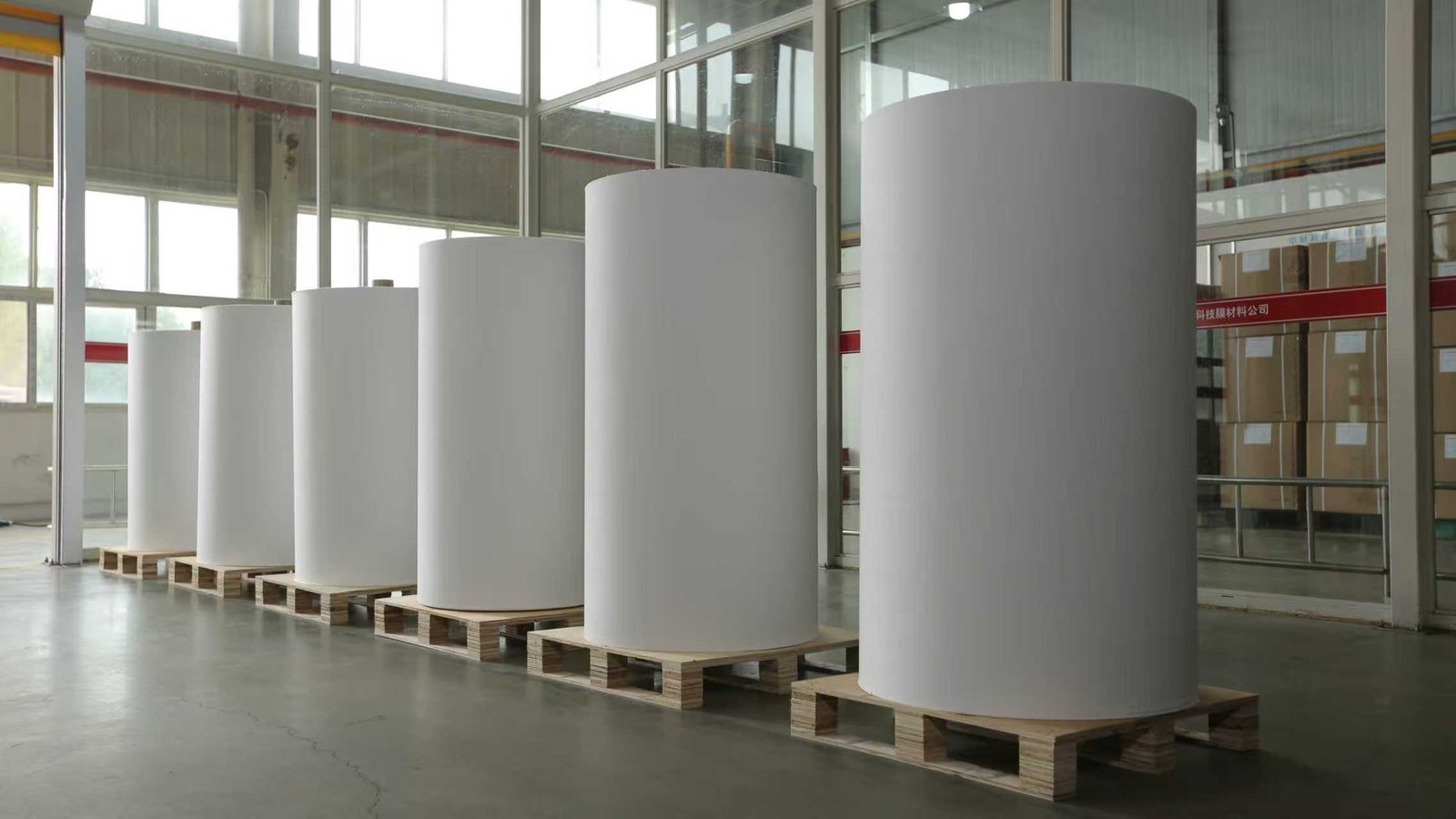
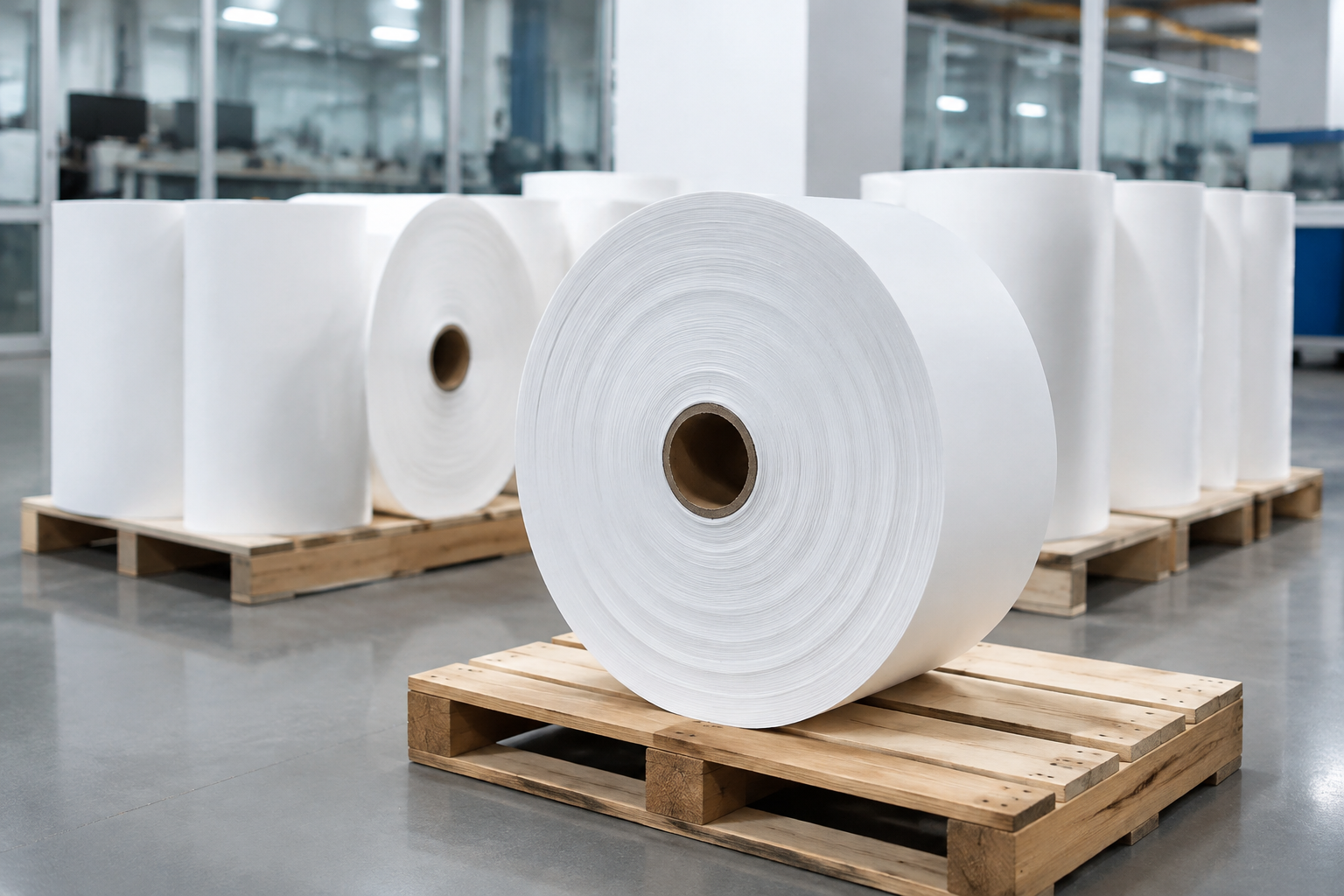
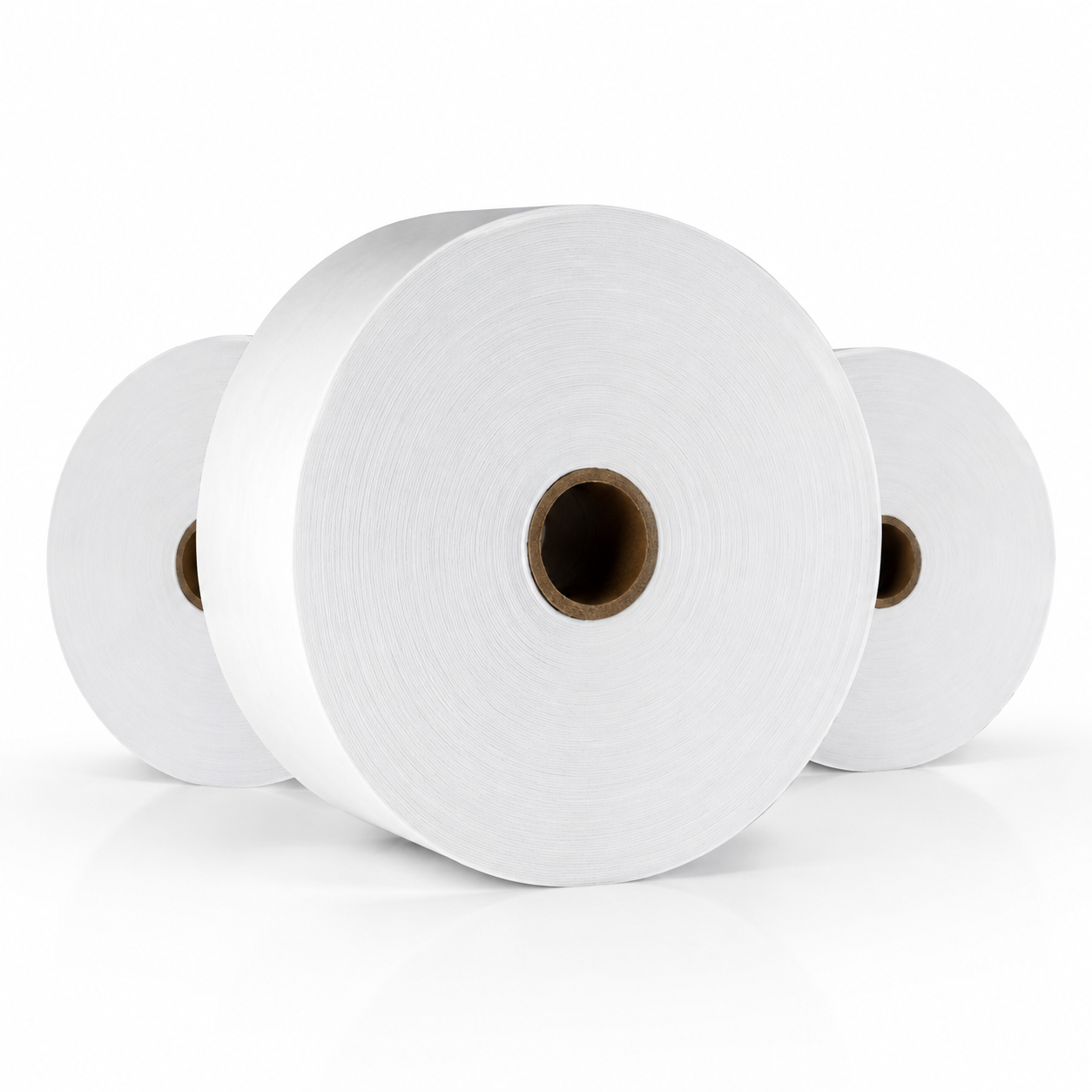
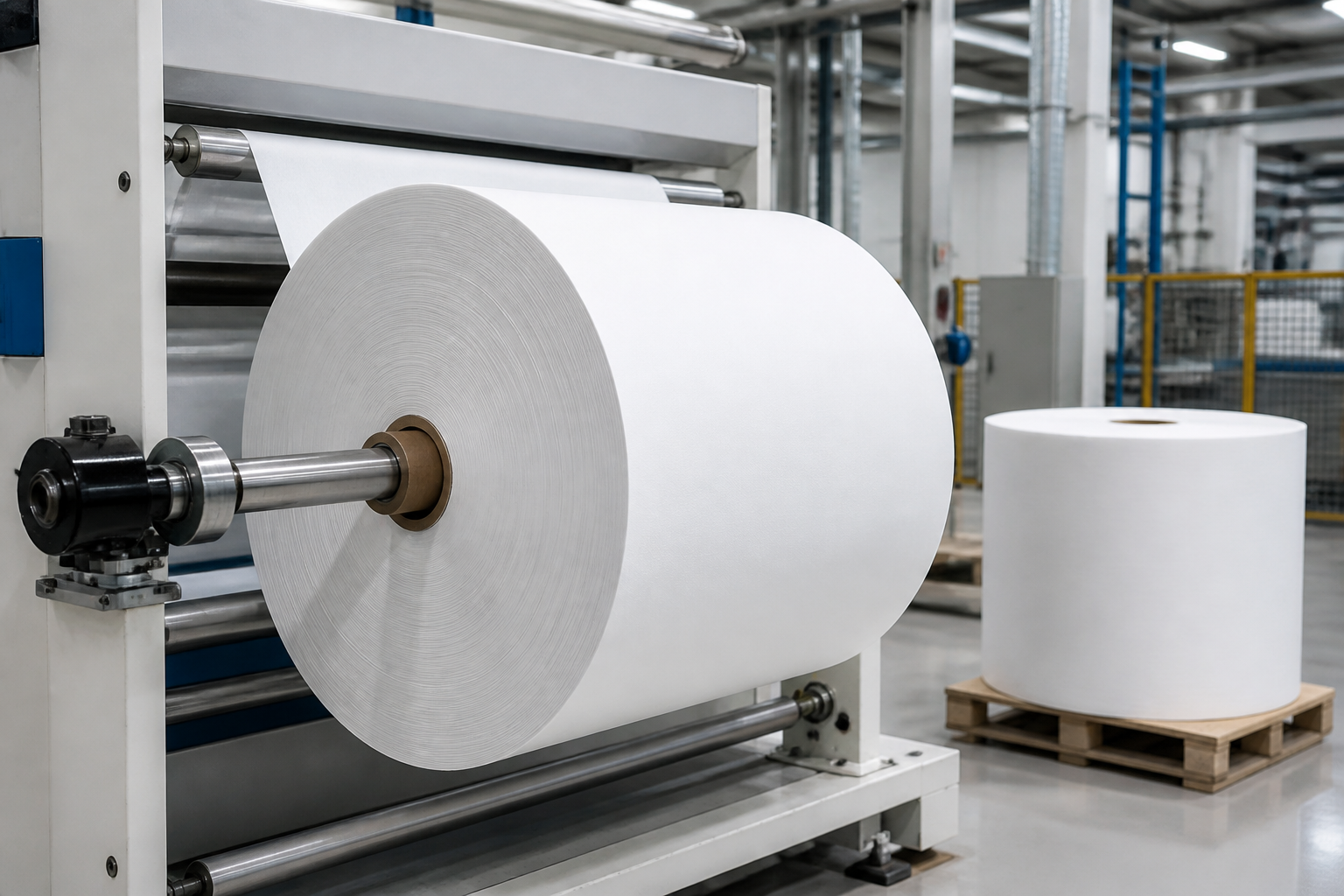
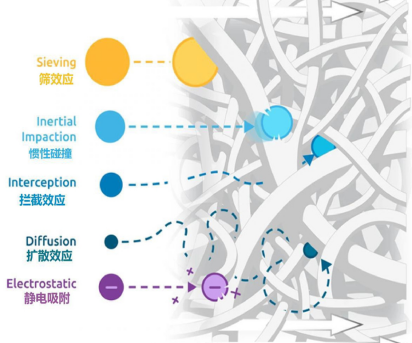
glass fiber HVAC filter media roll
Glass Fiber Air Filtration Media

HVAC Filter Media Manufacturer for a Clear Efficiency–Resistance Choice

ClearFilter supplies glass fiber HVAC filter media across CFA, CFE, CFH and CFU series. Fourteen grades cover measured efficiency from 20% to 99.9995%, with thickness, basis weight, pressure drop, tensile strength, stiffness and water resistance documented for model-level comparison.

For commercial ventilation, air-handling equipment and clean-environment filter development.

Compare 14 Grades

Selection at a glance

14

documented grades

20%–99.9995%

measured efficiency

Compare the variables that shape media performance.

Pressure drop, tensile strength, stiffness and water resistance—specified at model level.

Choose the Series by Filtration Duty

Start with the required particle-removal level and allowable pressure drop, then verify converting, moisture and finished-filter test requirements.

CFA series glass fiber media

CFA Series — General HVAC Filtration Media

CFA0263 · CFA0463 · CFA1663 · CFA1863

A 20%–80% measured-efficiency range with maximum pressure drop from 15 to 75 Pa. Choose CFA when ventilation volume and low initial resistance are primary design constraints.

Selection data: Thickness 0.36–0.37 mm · Basis weight 72 ± 3 g/m² · Water resistance ≥400 mmH₂O

CFE series glass fiber media

CFE Series — Higher-Efficiency HVAC Media

CFE3263 · CFE3663 · CFE5663 · CFE5863

A 94%–99.9% measured-efficiency range for projects that need finer particle control while maintaining a defined resistance limit.

Selection data: Thickness 0.33–0.34 mm · Basis weight 72–75 g/m² · Water resistance ≥500–650 mmH₂O

CFH series glass fiber media

CFH Series — High-Efficiency Filter Media

CFH7263 · CFH7463 · CFH7663

Media grades with measured efficiency from 99.97% to 99.995% and maximum pressure drop from 290 to 350 Pa, intended for high-efficiency filter development and clean-environment applications.

Selection data: Thickness 0.33 ± 0.03 mm · Basis weight 75 ± 3 g/m² · Water resistance ≥650 mmH₂O

CFU series glass fiber media

CFU Series — Ultra-High-Efficiency Media

CFU9263 · CFU9463 · CFU9663

MPPS-tested media grades for ultra-high-efficiency filter development, with model-level pressure-drop limits for engineering comparison.

Selection data: Efficiency ≥99.999% to ≥99.9995% at MPPS · Thickness 0.33 ± 0.03 mm · Water resistance ≥650 mmH₂O

Technical Note: Media efficiency is not the same as the classification of a finished filter. Final filter grade depends on the complete filter construction and the applicable finished-product test.

HVAC Filter Media Specifications

Use model-level values to compare performance and converting properties. Do not compare efficiency figures without checking the stated particle-size and face-velocity conditions.

Model Thickness at 100 kPa (mm) Basis Weight (g/m²) Efficiency (%) Max. Pressure Drop (Pa) Tensile MD (kN/m) Tensile CD (kN/m) Gurley Stiffness MD (mg) Water Resistance (mmH₂O) Loss on Ignition (%)
CFA0263 0.37 ± 0.03 72 ± 3 ≥20 ≤15 0.9–1.2 0.5–0.7 ≥1000 ≥400 10
CFA0463 0.37 ± 0.03 72 ± 3 ≥50 ≤35 0.9–1.2 0.5–0.7 ≥1000 ≥400 10
CFA1663 0.36 ± 0.03 72 ± 3 ≥60 ≤50 0.9–1.2 0.5–0.7 ≥1000 ≥400 10
CFA1863 0.36 ± 0.03 72 ± 3 ≥80 ≤75 0.9–1.2 0.5–0.7 ≥1000 ≥400 10
CFE3263 0.34 ± 0.03 72 ± 3 ≥94 ≤120 0.9–1.2 0.5–0.7 ≥1000 ≥500 10
CFE3663 0.34 ± 0.03 72 ± 3 ≥98 ≤160 0.9–1.2 0.5–0.7 ≥1000 ≥500 10
CFE5663 0.33 ± 0.03 72 ± 3 ≥99.5 ≤220 0.85–1.2 0.45–0.7 ≥1000 ≥500 10
CFE5863 0.33 ± 0.03 75 ± 3 ≥99.9 ≤245 0.85–1.2 0.45–0.7 ≥950 ≥650 10
CFH7263 0.33 ± 0.03 75 ± 3 ≥99.97 ≤290 0.85–1.2 0.45–0.7 ≥950 ≥650 8
CFH7463 0.33 ± 0.03 75 ± 3 ≥99.985 ≤320 0.85–1.2 0.45–0.7 ≥950 ≥650 8
CFH7663 0.33 ± 0.03 75 ± 3 ≥99.995 ≤350 0.85–1.2 0.45–0.7 ≥950 ≥650 8
CFU9263 0.33 ± 0.03 75 ± 3 ≥99.999 ≤380 0.85–1.2 0.45–0.7 ≥950 ≥650 8
CFU9463 0.33 ± 0.03 75 ± 3 ≥99.9995 ≤450 0.85–1.2 0.45–0.7 ≥950 ≥650 8
CFU9663 0.33 ± 0.03 75 ± 3 ≥99.9995 ≤550 0.85–1.2 0.45–0.7 ≥950 ≥650 8
CFA, CFE and CFH efficiency values: TSI 8130A at 0.3 μm and 5.3 cm/s. CFU efficiency values: TSI 3160 at MPPS and 2.5 cm/s. Pressure-drop values: TSI 8130A at 5.3 cm/s. Values describe filter media under the stated test conditions; finished-filter performance requires separate validation.

Select by Efficiency and Allowable Pressure Drop

Higher particle-capture targets normally require a higher resistance allowance. The right grade is therefore not the highest efficiency available, but the grade that meets the filtration target within the fan, filter area and energy constraints of the finished system.

1

Set the target

Define the particle size, media-efficiency target and the standard required for the finished filter.

2

Set the airflow boundary

Confirm face velocity, available filter area and the maximum acceptable initial pressure drop.

3

Validate the construction

Review pleat geometry, sealing, frame design and finished-filter test results before final approval.

Measured Efficiency (%)
Maximum Pressure Drop (Pa)
CFA Series (20%-80%, 15-75 Pa)
CFE Series (94%-99.9%, 120-245 Pa)
CFH Series (99.97%-99.995%, 290-350 Pa)
CFU Series (≥99.999%, 380-550 Pa)

Performance Designed Beyond Efficiency Alone

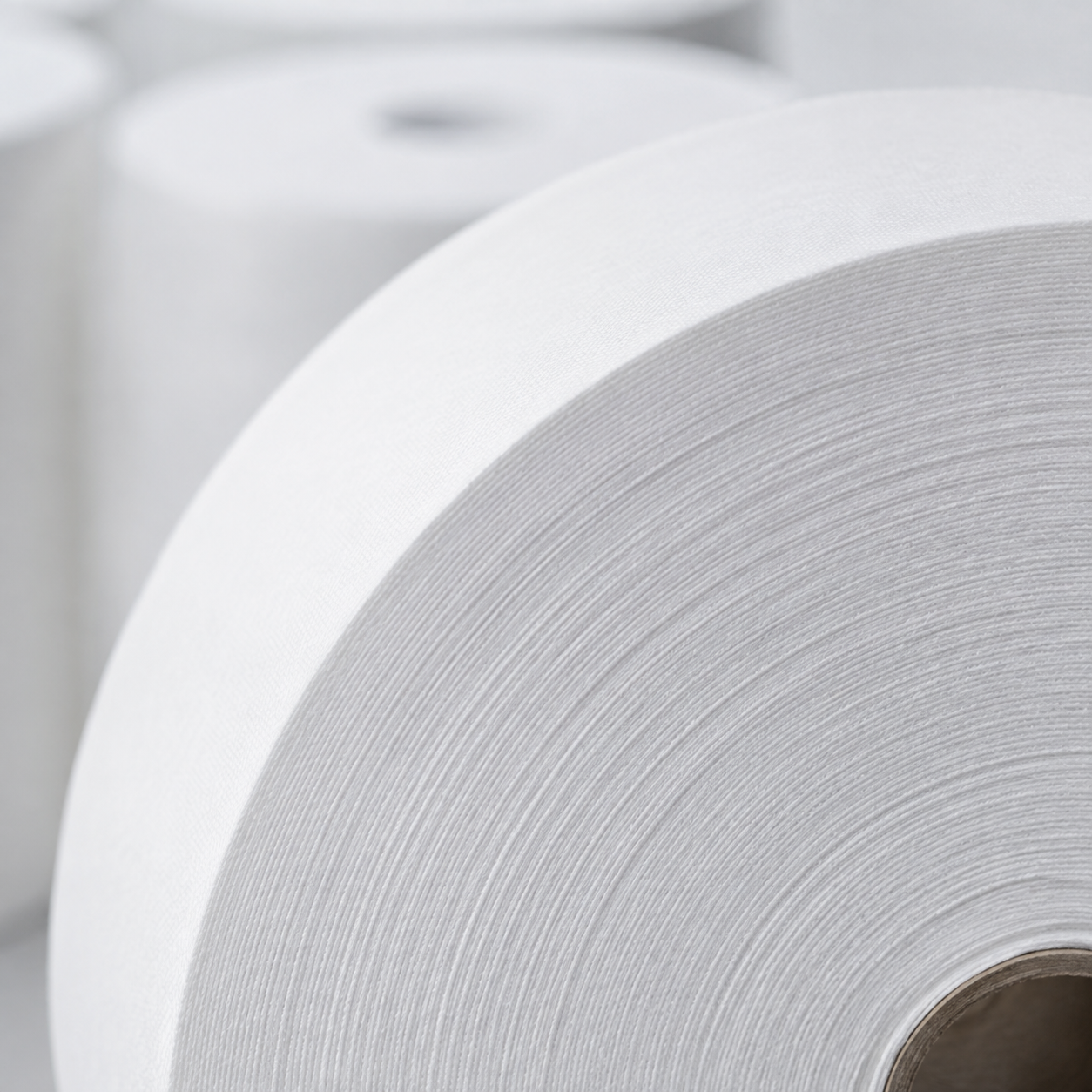
glass fiber media microstructure and surface detail

Broad Model Range

Four series provide measured-efficiency options from 20% to 99.9995%, allowing the media grade to be matched to the required filtration duty instead of over-specifying every system.

Defined Resistance Limits

Maximum pressure-drop values range from 15 Pa for CFA0263 to 550 Pa for CFU9663 under the stated test condition, giving engineers a documented basis for airflow and energy review.

Converting Stability

MD tensile strength reaches 0.85–1.2 or 0.9–1.2 kN/m by grade, while Gurley stiffness is specified at ≥950 or ≥1000 mg. These properties support handling and pleat-forming evaluation during filter production.

Water-Resistance Options

Specified water resistance progresses from ≥400 to ≥650 mmH₂O across the range. Select the grade against the actual humidity, condensation risk and finished-filter construction; water resistance does not mean the assembled filter is waterproof.

Thin, Controlled Media Construction

Thickness is controlled at 0.33–0.37 mm and basis weight at 72–75 g/m², supporting compact filter designs. Dust-holding capacity and service life must still be validated in the final filter and operating environment.

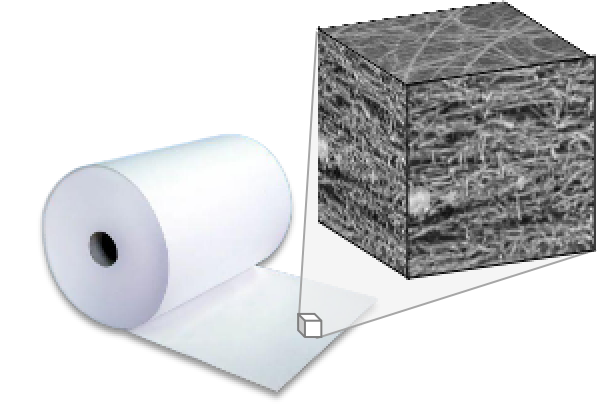
ClearFilter internal media structure and fiber web

Media Structure for Filtration and Pleat Processing

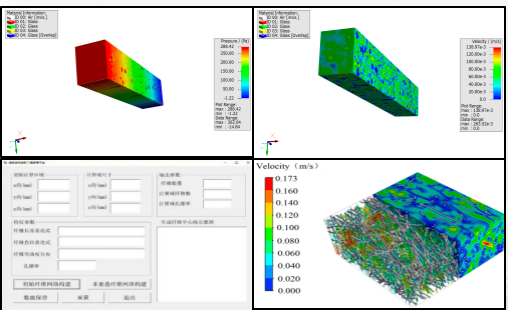
Glass fiber distribution, binder balance and web density influence particle capture, pressure drop, stiffness and converting behavior. For application-specific development, ClearFilter can review the internal media structure from laboratory trial through pilot evaluation and batch production.

  • Gradient depth design

    A coarse-to-fine pore structure can be developed for projects that need to distribute particle loading through the media depth. The final structure and performance are subject to technical review and testing.

  • Controlled airflow path

    Fiber-web density is adjusted against the required capture level and resistance target. The 0.33–0.37 mm figure refers to total media thickness, not fiber diameter.

  • Moisture and converting balance

    Binder and surface-treatment choices can be reviewed against water resistance, fiber bonding, fold integrity and the buyer’s pleating process.

Resolve Common Media-to-Filter Production Risks

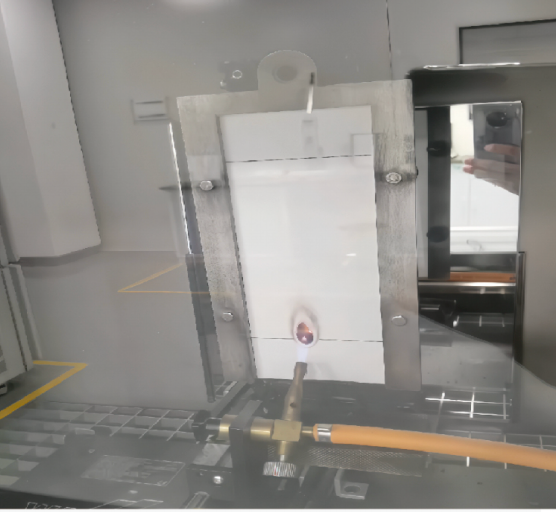
air filter media testing equipment

Efficiency selected without airflow context

A media grade may meet a capture target yet exceed the system’s resistance allowance. Compare efficiency and pressure drop under the same test condition before prototype approval.

filter media pleating process

Pleat cracking or edge shedding during converting

Tensile strength, stiffness, binder system, pleat geometry and machine settings must be evaluated together. ClearFilter can support grade screening and trial review for the intended converting process.

filter media humidity test

Humidity changes media behavior

Use the 400–650 mmH₂O water-resistance data as a selection input, then validate the complete filter under the expected humidity and condensation conditions.

batch outgoing test records

Batch variation complicates production control

Incoming-material checks, process controls and batch-level outgoing test records can support repeat-order comparison. Agree the acceptance fields and test method before supply.

Application-Based Grade Starting Points

The recommendations below are starting points for media selection. Final choice depends on airflow, filter area, pleat design, sealing, operating environment and the finished-filter standard.

Application context Starting grades Why these grades enter the review Validation boundary
Commercial offices and residential fresh-air systems CFA0263, CFA0463, CFA1663 20%–60% measured efficiency with maximum pressure drop of 15–50 Pa supports low-resistance screening for general ventilation designs. Confirm the finished filter format, airflow and applicable local rating method.
Clinics, schools, shopping centers and central air handling CFE3263, CFE3663, CFE5663 94%–99.5% measured efficiency, ≥500 mmH₂O water resistance and ≥1000 mg MD stiffness provide a defined basis for finer-particle and converting review. Do not claim infection-control performance without complete system and microbiological evidence.
Operating rooms, pharmaceutical production and electronics clean environments CFE5863, CFH7263, CFH7463, CFH7663, CFU9263, CFU9463, CFU9663 99.9%–99.9995% measured-efficiency options support high- and ultra-high-efficiency filter development. The assembled filter must be leak-tested and classified under the project’s required finished-filter standard.
Transport hubs and data centers CFE3663, CFE5663 Both grades use 72 ± 3 g/m² media with MD tensile strength up to 1.2 kN/m and ≥1000 mg stiffness, supporting review for high-airflow and pleated-filter production. Dust holding, service interval and lifecycle cost depend on the finished filter and actual loading conditions.
ClearFilter filter media production line air filter media testing equipment filtration R&D laboratory

Filter Media Manufacturing and Test Support

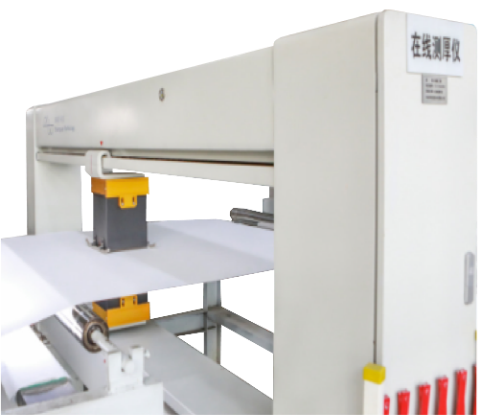
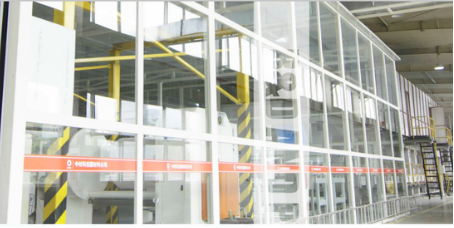
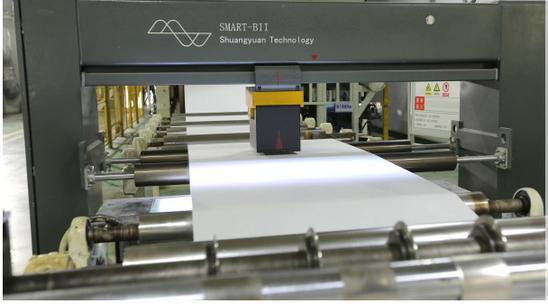
ClearFilter combines an in-house filter media production line with a professional filtration R&D laboratory. The team can evaluate media properties, microstructure and filtration performance, and can coordinate laboratory trials, pilot evaluation and batch production for application-specific development.

1

Incoming glass fiber, binder and additive checks

2

Process and thickness monitoring

3

Media property and filtration testing

4

Batch outgoing test report or COA for agreed inspection items

Define the required test method, acceptance values and report fields during technical review so that repeat orders can be compared on the same basis.

HVAC Filter Media Questions

How should I compare two HVAC filter media grades?
Compare efficiency and pressure drop only under matched particle-size, aerosol and face-velocity conditions. Then review thickness, basis weight, tensile strength, stiffness, water resistance and the requirements of the finished filter construction.
Can the media be used in humid environments?
The range includes specified water resistance from ≥400 to ≥650 mmH₂O. This helps grade selection for moisture exposure, but the complete filter must still be validated for humidity, condensation, sealing and service conditions.
Do you provide a test report for each batch?
Batch outgoing test reports can be provided for the agreed inspection items. Confirm the required parameters, test method and acceptance format before ordering.
What if the media sheds fibers or cracks during pleating?
Fiber bonding is only one factor. Binder balance, tensile strength, stiffness, fold geometry, machine speed and environmental conditions should be reviewed together. ClearFilter can support grade screening and converting trials against the intended process.
Which filter formats can use these media grades?
The range can be evaluated for panel, bag, mini-pleat and V-bank filter constructions. Suitability depends on the selected grade, pleating method, support structure, sealing design and required finished-filter performance; it is not determined by media efficiency alone.
Does 8%–10% loss on ignition prove a fire rating?
No. Loss on ignition is a material test value and is not, by itself, a flame-retardancy classification or approval for a building or fire code. Request the fire-test method and report required by the project before making a compliance decision.
Are small trial orders and custom slit widths available?
Selected standard grades can support small trial orders, subject to current stock and order review. A 7–10 working-day dispatch window may apply to regular stocked material after availability is confirmed. Custom slit widths and application-specific media development are subject to technical review and production scheduling.

Let's Build Cleaner Air Together

From high-efficiency HEPA systems to specialized high-temperature filtration, our engineering team is ready to discuss your specific operational requirements and deliver tailored solutions.

Global Headquarters

30 Andeli, WestYuhua Road
Nanjing

Direct Phone Support

+86 13727262120

Available Mon-Fri, 9:00 - 18:00 (CST)

Email Inquiry

Annie.chen@clearfilterpro.com

Technical sales will respond within 24h.

ClearFilter Manufacturing Excellence

Request a Project Consultation

Please provide your details below. A product specialist will review your requirements and reach out directly.

Your data is protected by enterprise-grade encryption.