
Reliable Turbine Oil Filter Cartridges
Keep your turbine lube oil clean and your bearings safe. Our replacement filters trap the fine particles and help stop varnish buildup, so you don't have to deal with unexpected machine shutdowns.
Turbine Oil Filter Cartridges
by Media & Function
Engineered for optimal fluid cleanliness, phase separation, and reliable operation in demanding power generation and industrial applications.
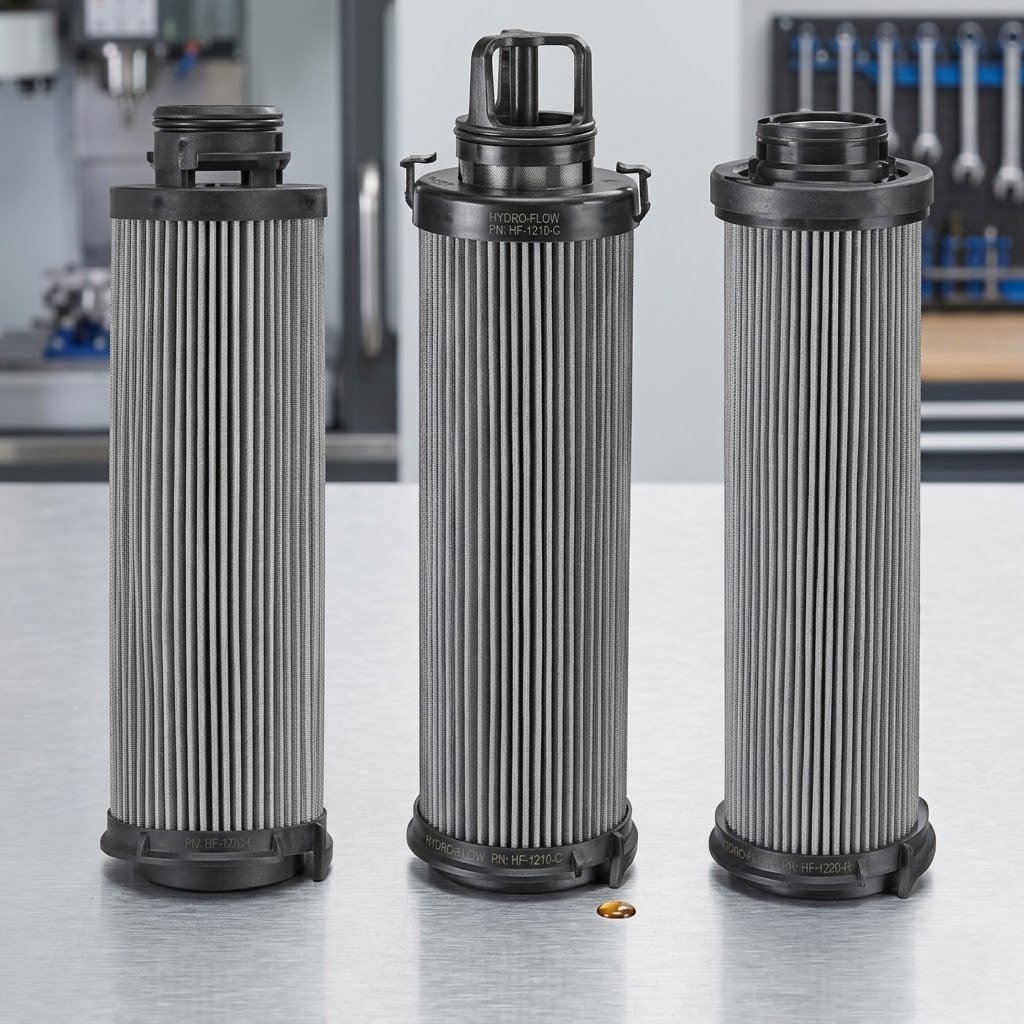
High-Efficiency Microglass Elements
Engineered for precision particle removal with high Beta ratios. Provides superior fluid cleanliness for sensitive hydraulic and steam turbine lubrication systems, ensuring long-term component protection.
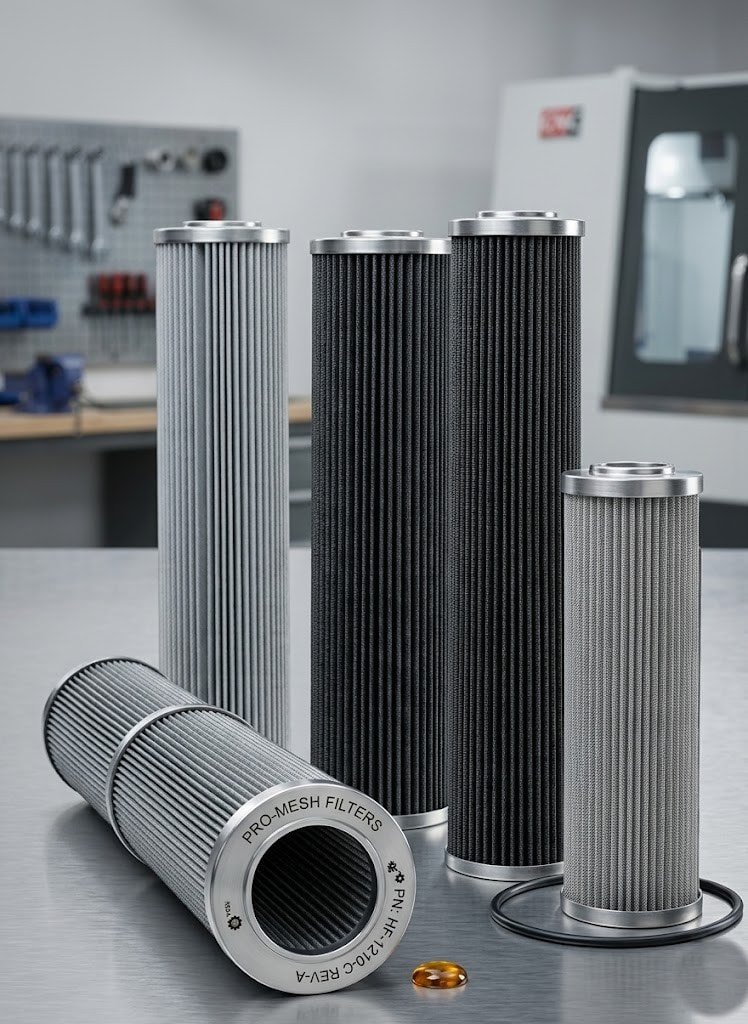
Water Removal Coalescer Elements
Specifically designed to remove free and emulsified water from turbine oils. Maintains oil chemical stability and prevents corrosion by utilizing multi-layer synthetic media for efficient phase separation.
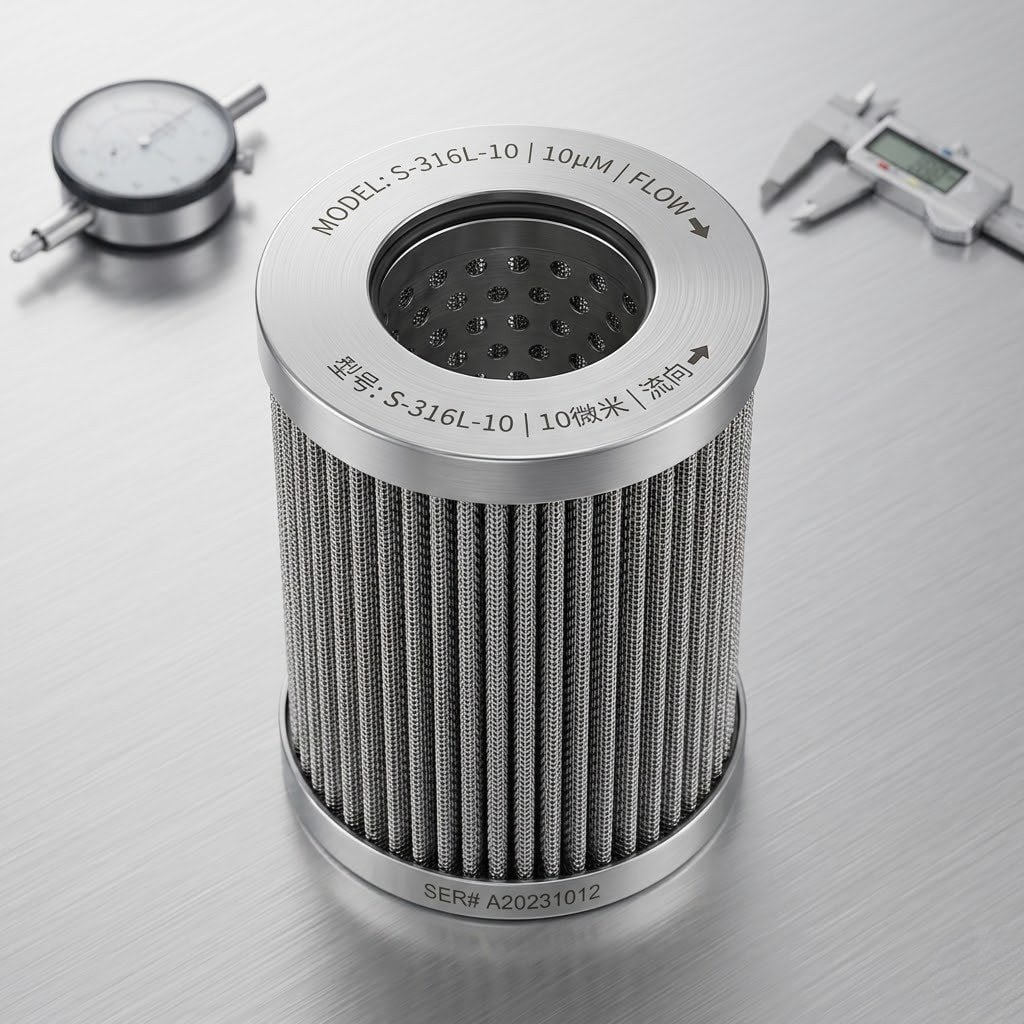
Economical Cellulose Cartridges
Reliable and cost-effective filtration for general lubrication and system flushing. Features high dirt-holding capacity for non-critical applications and initial clean-up phases.
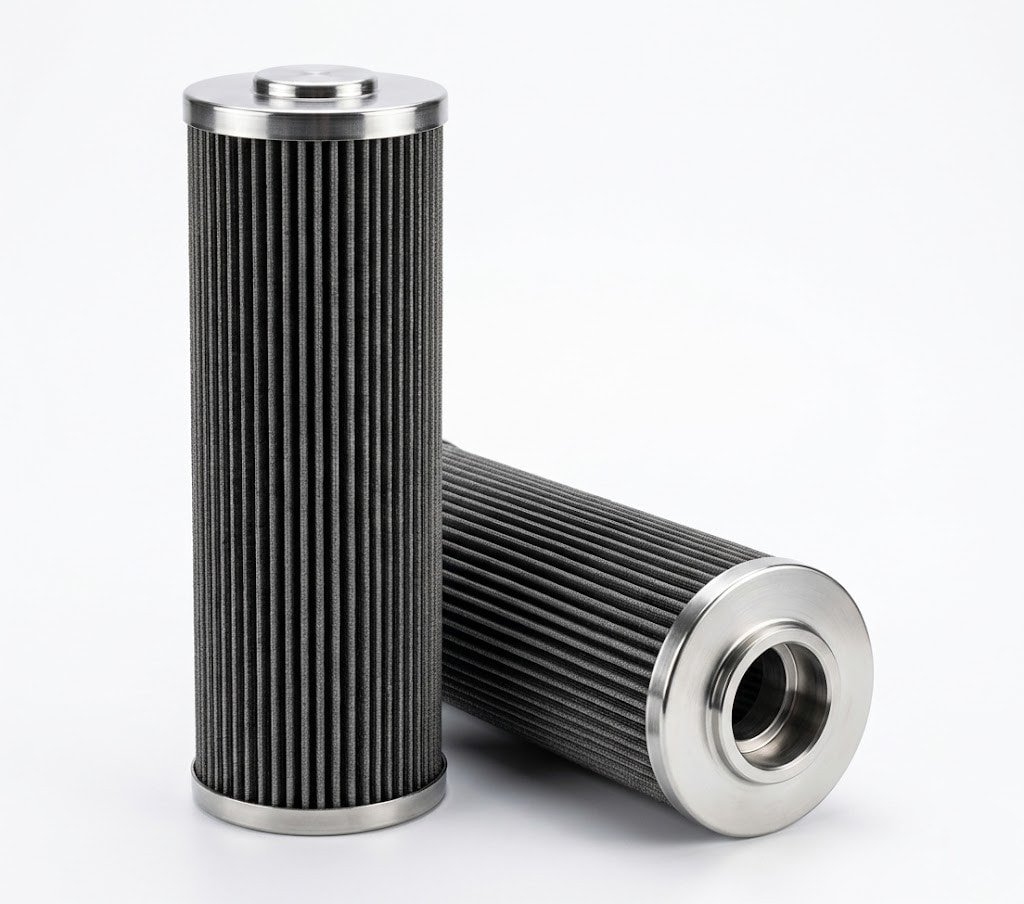
Reusable Stainless Steel Pleated Filters
Built for extreme temperatures and high-differential pressure environments. The pleated 304/316L wire cloth ensures structural integrity and can be cleaned for multiple service cycles.
Why Upgrade Your Turbine Lube Oil Filters?
Built to solve the real headaches of fluid degradation and mechanical wear in your rotating equipment.
Absolute Microglass
Pain point: Tired of oil that's never quite clean enough?
Solution: Our glass fiber media catches the tiny particles that regular paper filters miss, keeping your system running smoother.
Varnish Control
Pain point: Servo valves constantly sticking?
Solution: Clean oil helps prevent the static sparks that "cook" your oil. This stops varnish from forming and ruining your valves.
High Collapse Strength
Pain point: Filters crushing during cold starts?
Solution: We reinforce the inside of the filter so it can handle sudden high-pressure spikes without collapsing.
Low Pressure Drop
Pain point: Oil struggling to flow through?
Solution: We pack in more pleated media. More surface area means the oil flows easily, reducing strain on your pumps.
Turbine Oil Filter Cartridge Connections
We make filters to fit standard industrial housings. Just match your current setup with our connection types below.
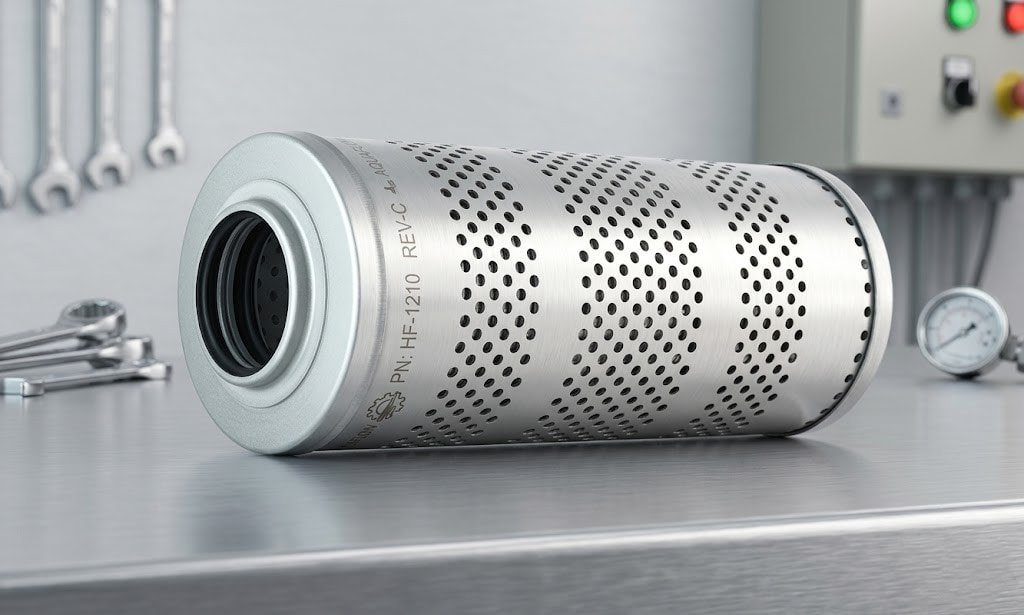
DOE
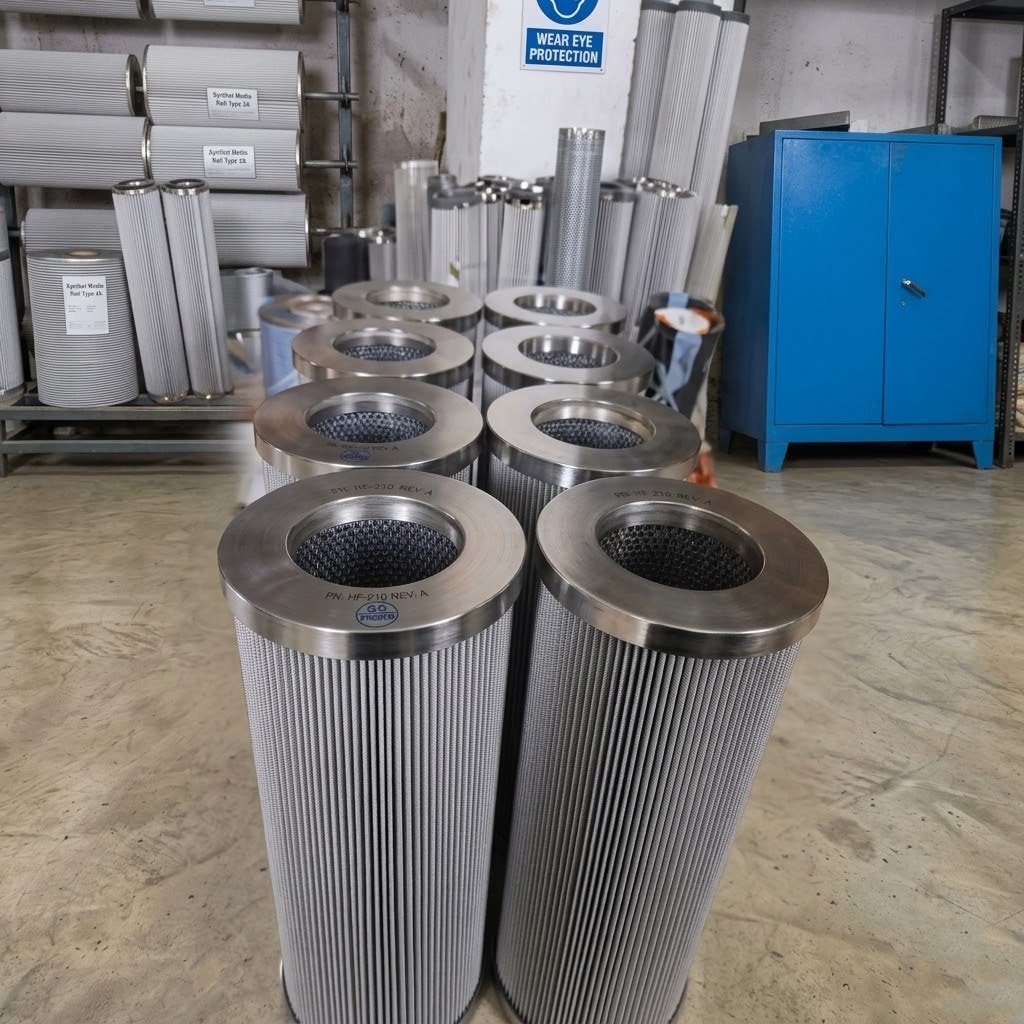
SOE with 222 O-rings
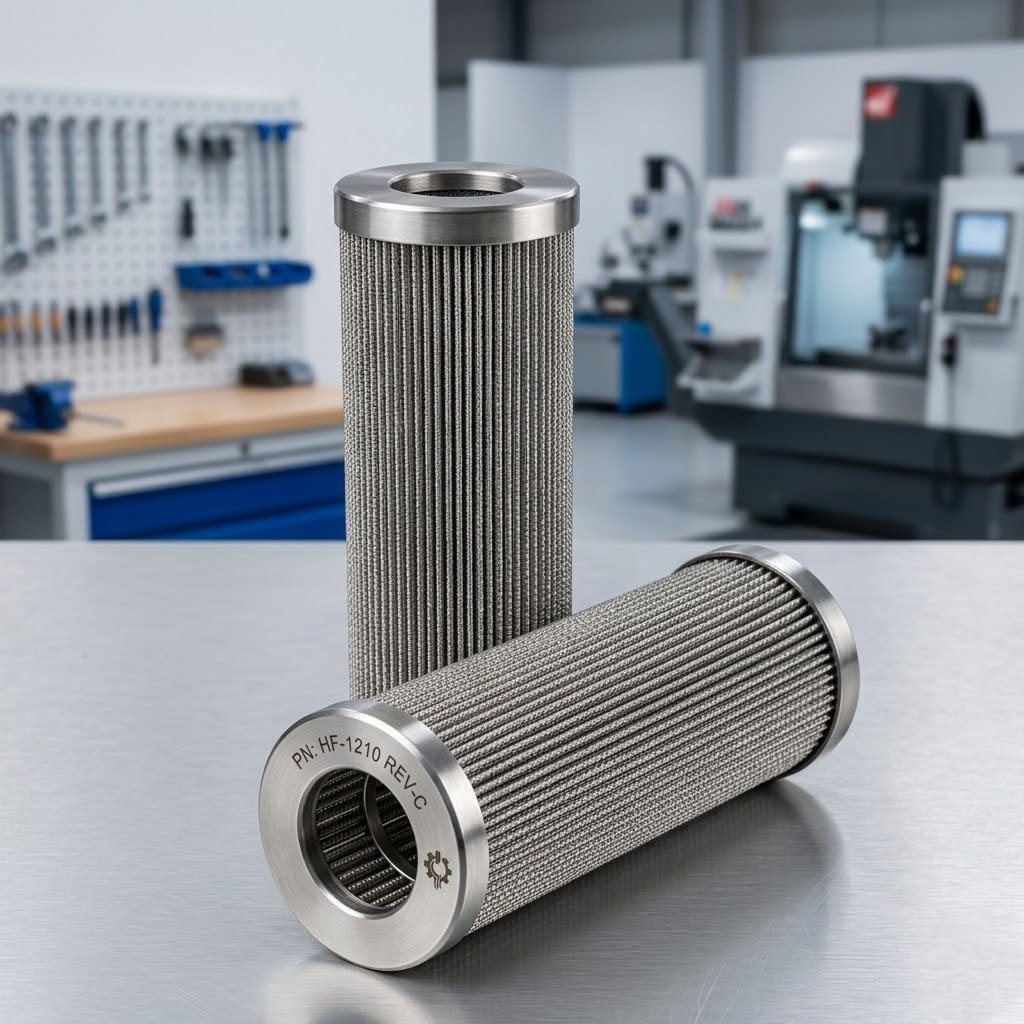
Threaded Base
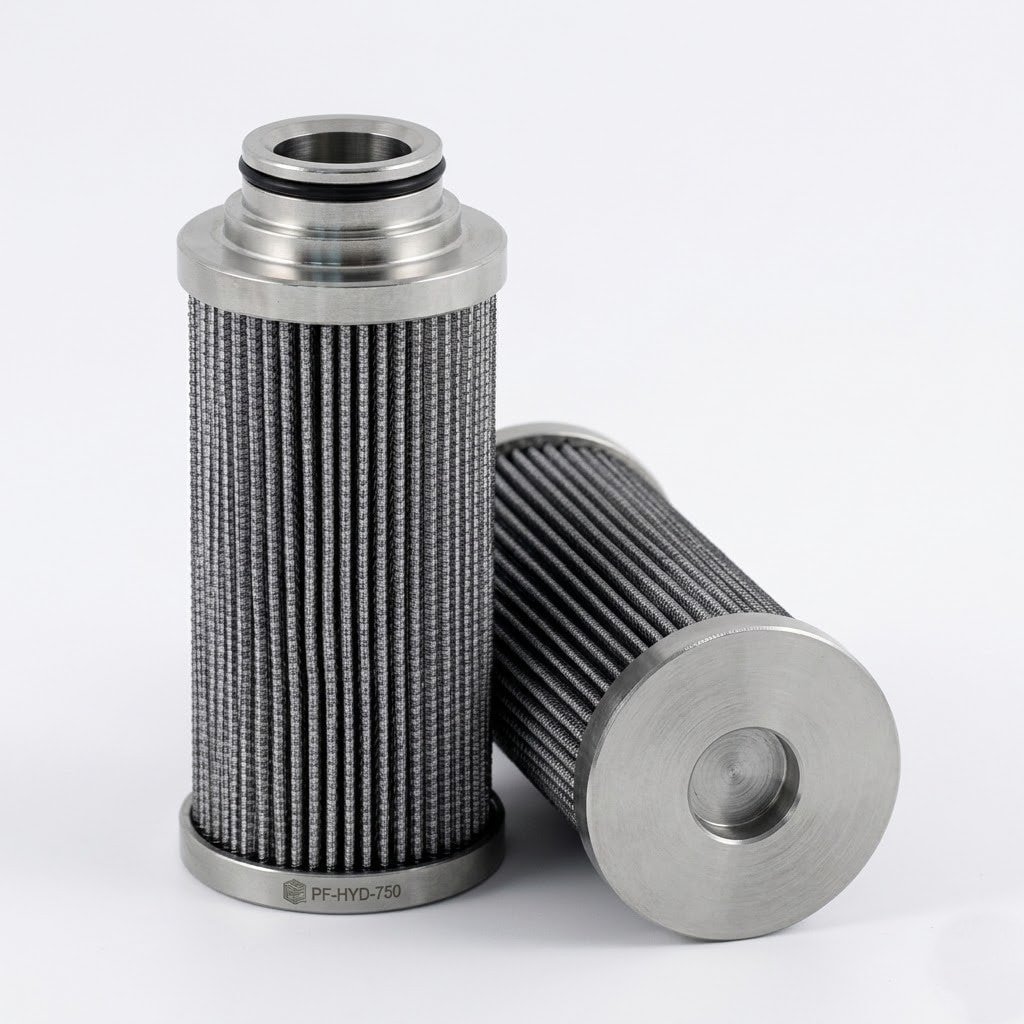
High-Flow Pleated
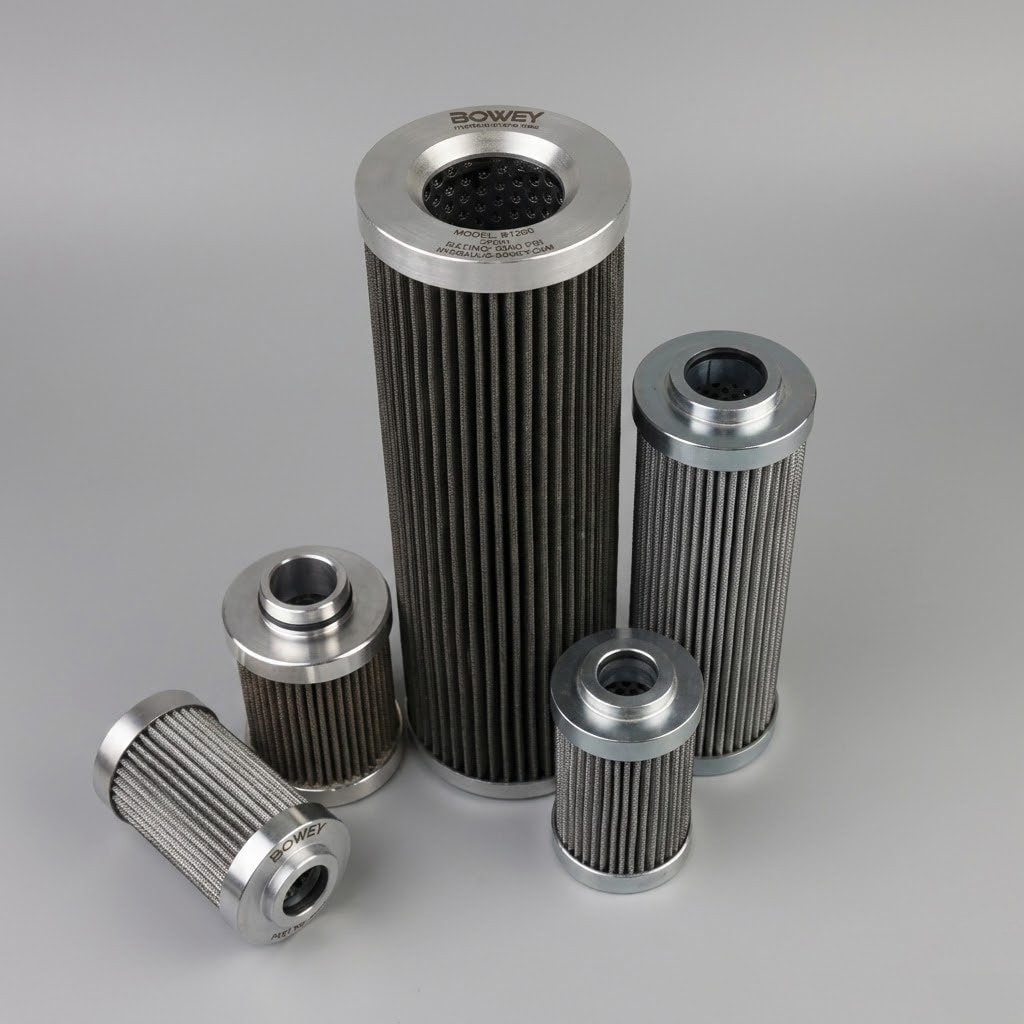
Coreless Element
Turbine Filter Technical Specifications
Engineered to exceed OEM baseline requirements.
| Parameter | Specification Standard |
|---|---|
| Filter Media | Inorganic Microglass with epoxy backing (Static-dissipative available) |
| Absolute Micron Ratings | 1μm, 3μm, 6μm, 12μm, 25μm |
| Beta Ratio Efficiency | βx(c) ≥ 1000 (99.9% Efficiency per ISO 16889) |
| Collapse Pressure Rating | Minimum 150 psid (10 bar); High-collapse versions up to 3000 psid |
| Maximum Operating Temp | 120°C (248°F) with standard Viton/Fluorocarbon seals |
| Seal Materials | Buna-N (Nitrile), Viton (Fluorocarbon), EPDM |
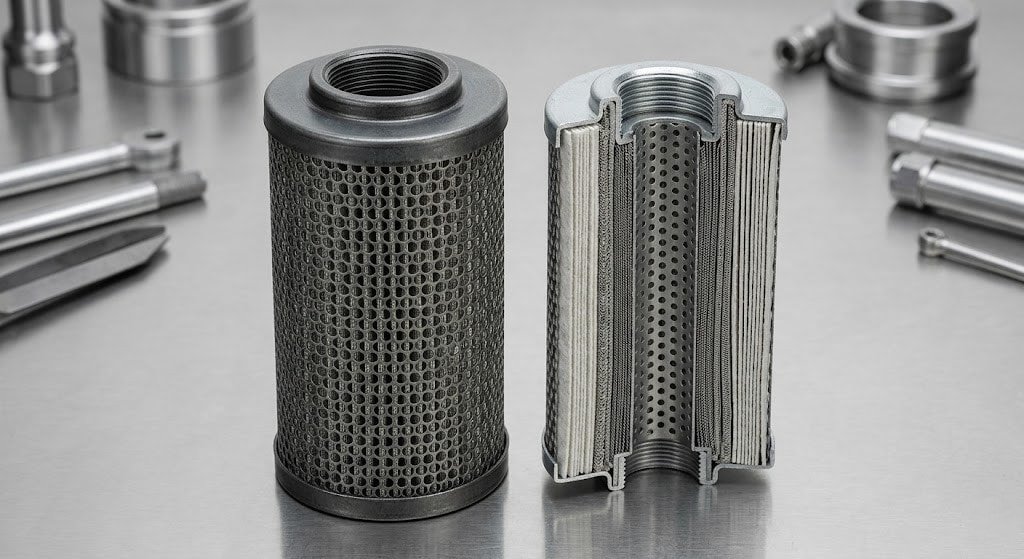
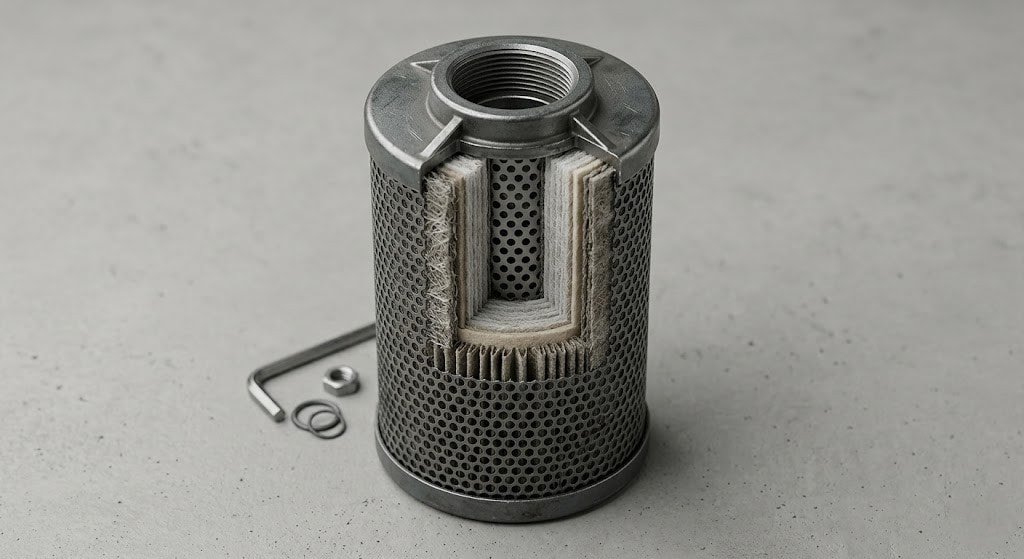
Pleated Filter Cartridges for Tough Liquids
Built for demanding industrial fluids. Welded together without any glue, so they won't fall apart in harsh chemicals or hot liquids.
How Our Filters Make Your Job Easier
Honest Micron Ratings
When we say it stops 3-micron dirt, it actually does. No guessing games with your fluid quality.
100% Heat Welded
We don't use adhesives or binders that could melt and contaminate your expensive process fluids.
More Pleats, Better Flow
Optimized pleat shapes allow liquids to pass through faster without clogging up too quickly.
Handles Tough Chemicals
Available in PP, PES, and PTFE, so you can safely filter aggressive acids, bases, or solvents.
Where Our Filters Are Relied On Every Day
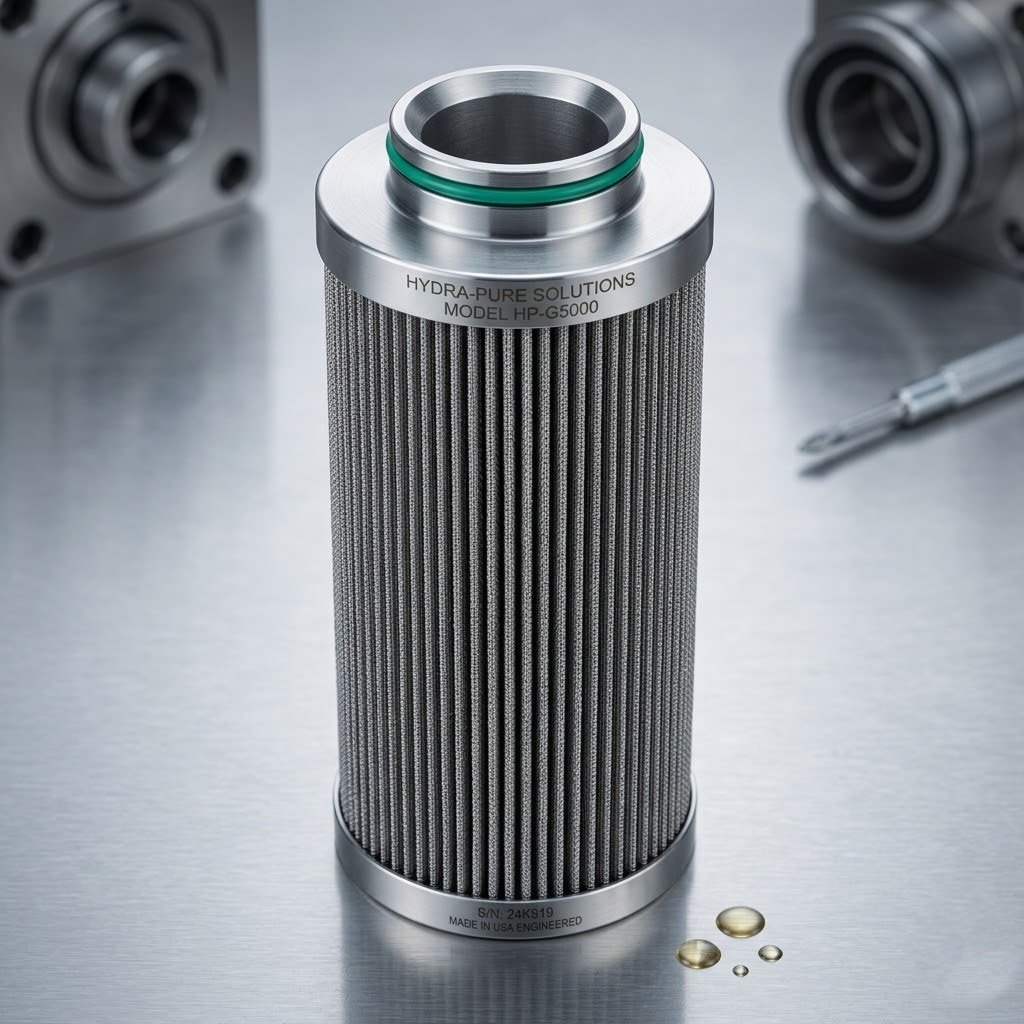
Food & Beverage
RO pre-filtration, bottled water, and beer/wine clarification.
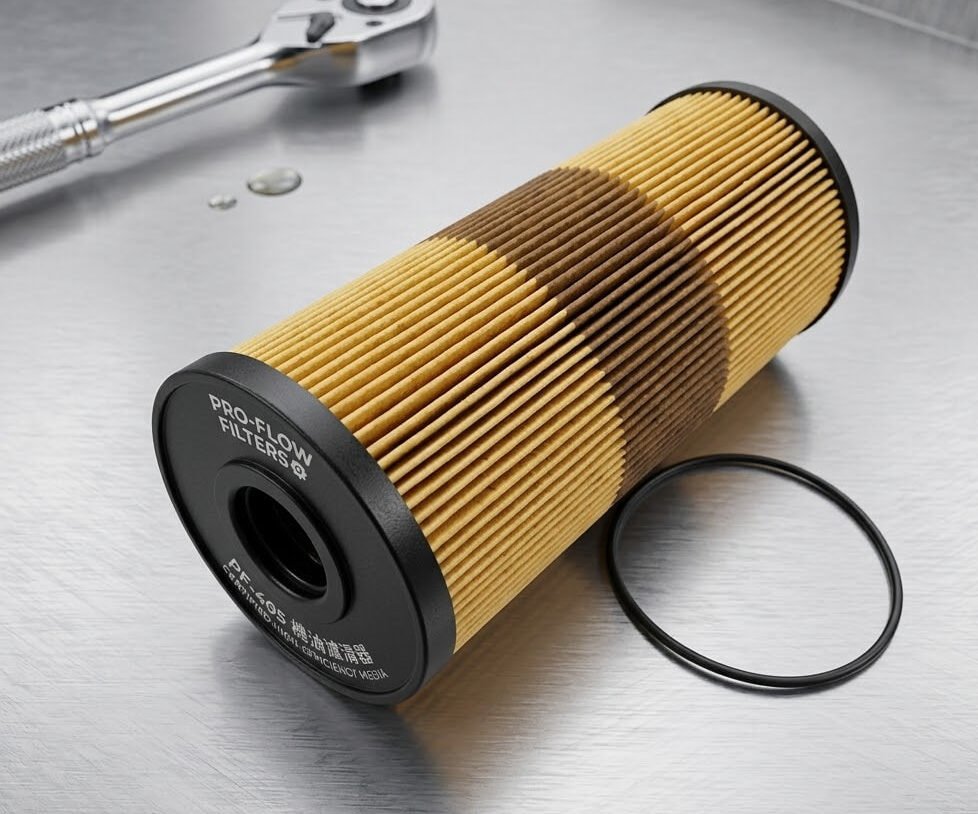
Pharmaceuticals
API manufacturing, solvent filtration, and sterile processing.
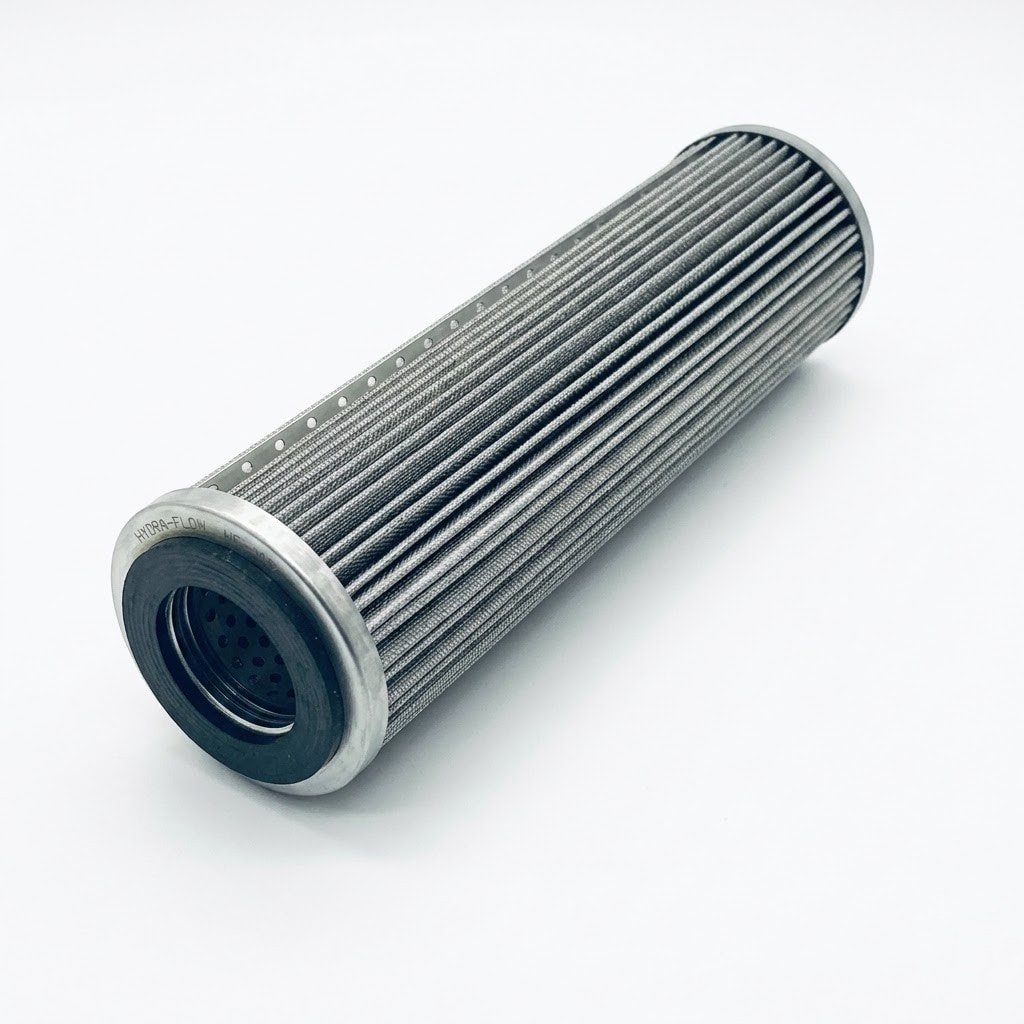
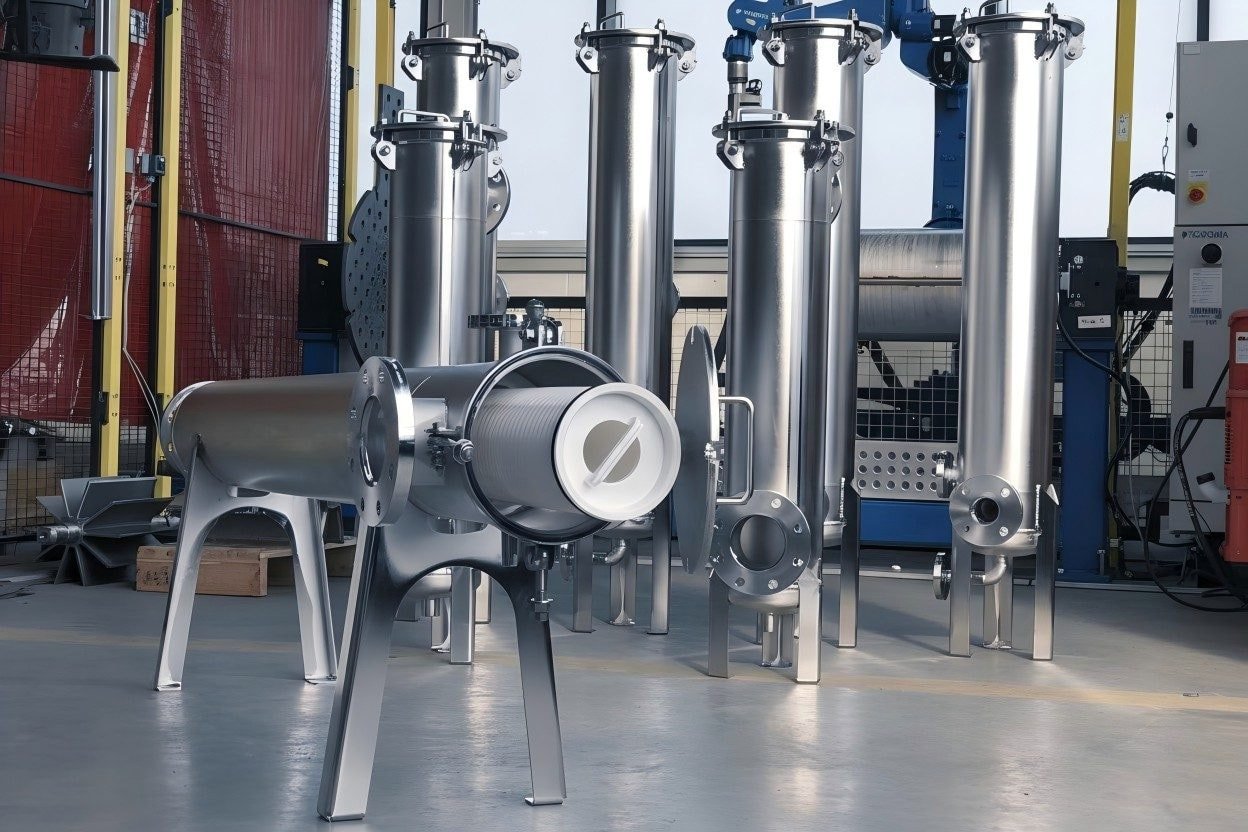
Chemical Processing
Clarification of aggressive acids, bases, and high-purity solvents.
Understanding Filter Efficiency:
The Beta Ratio
Let's skip the complicated lab talk. The Beta Ratio simply tells you how good a filter is at catching specific dirt sizes.
A Beta Ratio of 1000 means it catches 99.9% of the targeted particles on a single pass.
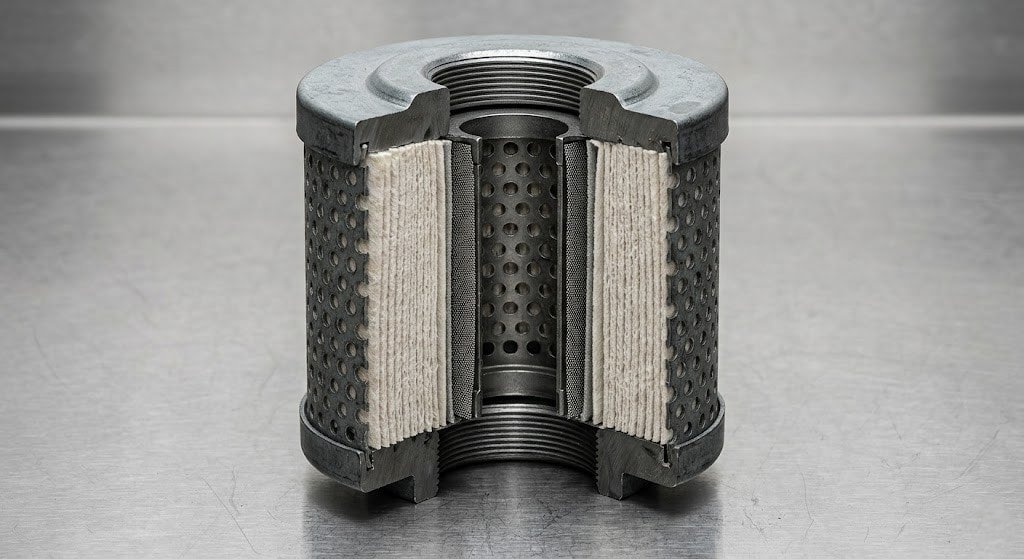
We use layered glass media to trap dirt deep inside the filter, not just on the surface. This design holds a massive amount of dirt without choking off your oil flow, protecting your bearings even when the machine is running hard.
DATA VISUALIZATION
Beta Ratio vs. Particle Size Curve
Simulated microglass structure diagram highlighting absolute filtration paths.
Tested to Industrial ISO Standards
Filter failures aren't an option on the factory floor. We test our dirt-holding capacity and burst strength to strict ISO standards so you know they’ll actually hold up.
-
ISO 16889 Multi-pass Test: Validating Beta Ratios and dirt-holding capacity under continuous particle injection.
-
ISO 2941 Collapse Resistance: Ensuring structural integrity against extreme differential pressure spikes.
-
ISO 2942 Fabrication Integrity: Bubble point testing to guarantee no fluid bypass occurs at seams or end caps.
Need to Replace a Name-Brand Filter?
We build direct drop-in replacements for major OEM housings (like Pall, Hydac, Parker, and Hilco). You get the exact same fit and performance without the heavy brand markup.
A Quick Guide to Carbon Filter Media
Compare different carbon types to see which one makes sense for your plant's air quality needs.
| Media Type | Initial Pressure Drop | Iodine Value | Target Gases | OPEX Profile |
|---|---|---|---|---|
| Standard Pelletized Carbon | Low | ≥ 1000 mg/g | General VOCs, Odors | Baseline |
| Impregnated Carbon (KOH) | Low-Medium | ≥ 900 mg/g | H₂S, Acidic Gases | +20% vs Baseline |
| Granular Activated Carbon (GAC) | Medium | ≥ 1100 mg/g | Broad Spectrum Organics | High Efficiency / Longer Life |
| Activated Carbon Fiber (ACF) | Very Low | ≥ 1300 mg/g | Rapid Adsorption Scenarios | Premium |
Engineer's Advice
- Practical Tip: Standard pelletized carbon works for most common factory smells. If you have nasty acidic fumes, you'll need the treated (impregnated) carbon to neutralize it.
3 Steps to Sizing Your Air Filter
A systematic, step-by-step approach to calculating core dimensions for your procurement decisions.
Know Your Gas
Tell us what chemicals are in the air and roughly how heavy the concentration is.
Calculate Contact Time
The dirty air needs enough time inside the filter to get clean. We'll help you calculate this so you don't buy a filter that's too small.
Check Your Fan Power
We'll make sure the filter you choose doesn't block the airflow and overwork your exhaust fan.
Solving Common Factory Odor Problems
Addressing real-world industrial exhaust pain points with ClearFilter's engineered solutions.
Smells Escaping?
Pain: Carbon Shedding at High Velocity
High Humidity Issues?
How to Know When to Change Your Filters
Guessing when to change filters wastes money. Here is how to know for sure.
Watch the Pressure Drop
When the pressure gauge spikes, the filter is clogged with dust. Change it before it burns out your fan motor.
Check for Saturation
Use a gas detector on the exhaust side. If you start picking up VOC readings, the carbon is full and it's time for a swap.
Factory Testing & Quality Assurance
Zero Compromise Testing Protocol. We execute strict compliance testing to guarantee structural integrity and precise performance under extreme industrial conditions.
ISO 16889: Multi-pass Test
Determines the dynamic Beta ratio and total dirt-holding capacity by continuously injecting precise contaminant levels, verifying the element's performance under continuous cyclic flow.
ISO 2941: Collapse & Burst Pressure Test
Subjects the cartridge to extreme differential pressure conditions, ensuring the structural core and media matrix do not rupture or collapse during severe cold starts or surge flows.
ISO 2942: Fabrication Integrity Test
Utilizes bubble point testing to verify the structural integrity of the media seams, end-cap bonding, and O-ring seals, guaranteeing zero fluid bypass under operating pressures.
Direct OEM Replacement & Cross-Reference
Engineered to meet or exceed original equipment manufacturer (OEM) specifications for form, fit, and function.
| OEM Brand | Common Turbine Series | Media Type | ClearFilter Equivalent |
|---|---|---|---|
| Pall Corporation | HC8300 / HC8314 Series | Microglass (β ≥ 1000) | CFT-P8300 Series |
| Hydac | 0160 D / 0240 D Series | Microglass (β ≥ 1000) | CFT-H160 Series |
| Parker Hannifin | G042 / G043 Series | Pleated Microglass | CFT-PK04 Series |
| Hilco (Hilliard) | PH Series (PH718) | Synthetic Blend | CFT-HL718 Series |
*All manufacturer names, numbers, symbols, and descriptions are used for reference purposes only.
ClearFilter products are exact-fit aftermarket replacements delivering factory-direct economics.
Turbine Oil Filtration FAQ
Expert answers to common fluid conditioning questions.
How do your filters handle water contamination in turbine oil, and do I need a coalescer?
Standard particulate filter cartridges are designed strictly for solid contaminant removal and will not remove water. For steam or gas turbines susceptible to water ingress, moisture is a primary driver of oil oxidation. To address this, your system requires dedicated water removal technology, such as coalescing and separator elements or vacuum dehydration systems, working in tandem with high-efficiency particulate filters to maintain optimal fluid health.
What ISO cleanliness code should I target for my turbine lube and hydraulic systems?
Most major turbine Original Equipment Manufacturers (OEMs) recommend maintaining an ISO 4406 cleanliness code of 16/14/11 or strictly better. For sensitive electro-hydraulic control (EHC) systems, targets are often as rigorous as 14/12/10. Achieving and sustaining these ultra-clean levels requires deploying premium micro-glass filter elements with a high Beta Ratio (β > 1000) to prevent servo-valve stiction and bearing wear.
Should I choose a 3-micron, 6-micron, or 12-micron filter for my application?
The optimal micron rating depends heavily on the specific circuit being filtered. For critical hydraulic control circuits and servo valves, absolute 3-micron or 6-micron filters are standard to prevent clearance bridging. For main bearing lubrication loops, 6-micron to 12-micron elements typically provide the right balance between exceptional fluid cleanliness and maintaining necessary flow rates without excessive pressure drops.
Can upgrading my filtration system actually extend the usable life of my turbine oil?
Absolutely. Sub-micron wear particles—particularly catalytic metals like iron and copper—greatly accelerate oil oxidation and the depletion of additive packages. By removing these microscopic catalysts early and maintaining ultra-clean fluid, high-efficiency filtration prevents the formation of sludge and varnish precursors. This can safely extend the lifespan of your expensive turbine oil by thousands of operating hours.
How long do these filter cartridges typically last before needing replacement?
Filter lifespan is rarely based on a fixed calendar schedule; it depends on your system's ambient environment, total fluid volume, and operating hours. However, upgrading to synthetic micro-glass media significantly increases dirt-holding capacity compared to traditional cellulose paper. This means the elements capture far more particulate before reaching the terminal differential pressure limit, dramatically extending your maintenance intervals and reducing overall downtime.
Protect Your Turbines Today
Provide us with your current filter part numbers, ISO cleanliness targets, or operating fluid details. Our engineering team will provide a direct cross-reference or custom solution within 24 hours.
Send an Inquiry
Request a Quote
Please provide your project details below, and our technical team will respond within 24 hours.